Thread in the needle and a small piece of stitched fabric can make a new mini machine look as though someone has already used it. Some offers explicitly advertise a prethreaded start. Those two details alone do not establish that the machine is a returned or second-hand unit.
Distinguish the starting setup from the item’s condition
Thread and a sample
Check whether the exact listing or instructions describe prethreading or a test piece. Keep the sample until you understand the setup. Do not assume its purpose from appearance alone.
Damage or missing parts
Broken components, missing listed accessories or a mismatch with the ordered model are separate issues. Photograph what arrived and compare it with your order and package contents.
An uncertain history
If condition remains unclear, ask the seller or retailer. A prethreaded needle cannot settle the item’s history in either direction.
An easy first sample is only the beginning
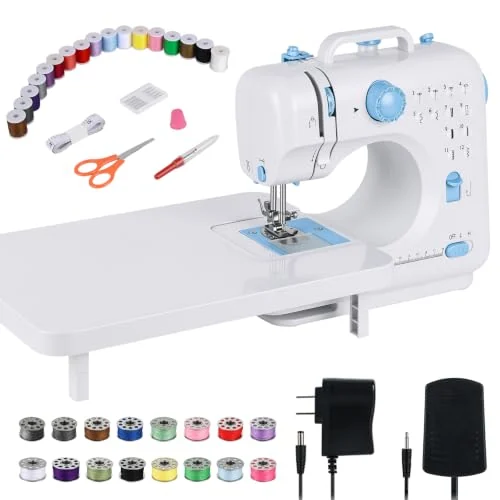
Customers of the Victool 16-stitch describe the convenience of a prethreaded arrival alongside difficulties with later thread changes. Those observations concern different stages of ownership. The first stitches can be encouraging without proving that everyday setup will be easy.
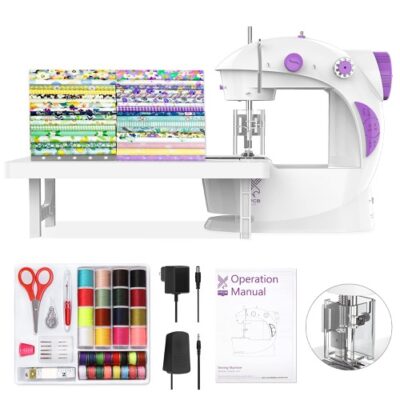
KPCB feedback similarly includes quick clothing repairs on the initial setup and other accounts of repeated rethreading later. One customer’s success should not be turned into a promise that every machine arrives ready for every fabric.
Before removing the sample
- Identify the exact model and locate its threading instructions.
- Disconnect power before handling the needle or thread path, following the machine’s instructions.
- Inspect and document the supplied setup if that will help you understand the manual.
- Remove the fabric by the method specified for the machine; do not pull against resistance or force the needle mechanism.
For the next steps, use the mini-machine setup guide alongside the exact manual. Handheld stitchers can have a different seam-ending procedure; the handheld threading and seam-check guide covers that distinction.
When the concern is a fault, treat it as a fault
A missing accessory is not a threading problem. A machine that runs unexpectedly or will not stop is not merely a confusing sample setup. Stop using a malfunctioning machine and seek support; do not keep experimenting to decide whether it was previously used.
Does a tidy sample prove the machine will sew my project?
No. It shows only the sample in front of you. Your fabric, thread and folded seams may be different. The machine still needs to be suitable for the intended work and set up according to its instructions.
Base the decision on the complete evidence
Compare the order, listing, instructions, accessories and physical condition. Treat prethreading as a setup detail, damage as a condition issue and recurring stitch problems as an operating issue. Keeping those questions separate makes a support request clearer and avoids accusing a seller of supplying a used machine from the sample cloth alone.