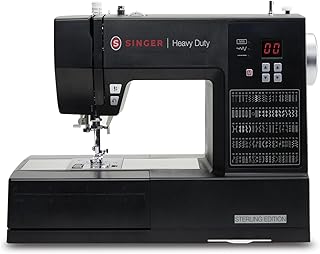
Brother CP100X Review: Speed Control, Quilting and Owner Tradeoffs
At a Glance
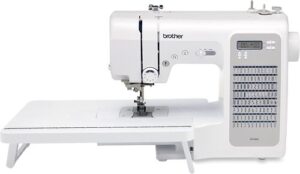
KEY FEATURES
- 100 built-in stitches
- Eight one-step buttonholes
- Adjustable speed control
- Walking foot, quilting foot and wide table
PROS
- Speed control and start/stop operation without the pedal
- Walking foot, quilting foot and wide table in the standard kit
- Owners describe taking it to classes and finishing quilts
CONS
- Threader and bobbin setup can take practice
- Mixed reports on difficult fabrics and stitch consistency
- Limited room for bulky projects; durability reports conflict
Editorial Rating
Based on supplied customer reviews and verified product documentation
Price and availability subject to change
Set the pace instead of chasing the pedal
The CP100X’s most useful upgrade is control. Owners single out the speed slider, start/stop operation and needle-position button—not just the stitch count—as reasons they enjoy using it.
For a hesitant beginner
One new sewist describes slowing the machine enough to follow small pieces accurately without using the pedal. That makes a controlled pace a practical learning aid.
For someone upgrading
Owners moving from simpler machines appreciate having speed and needle-position controls close to the work. The benefit is easier handling of a familiar job, even before exploring decorative stitches.
If your current machine feels abrupt or you prefer button-operated sewing, this is a meaningful reason to consider the CP100X. You still need a stable working surface and a setup that feels comfortable to you.
Match it to the projects owners describe
- Piecing and household sewing: a year-long update describes quilt blocks, tote bags and oven mitts. Another owner reports continued quilting and hobby projects after two years.
- Learning to quilt: a returning sewist worked through a first baby quilt with tutorial help. Owners also appreciate the included walking and quilting feet.
- Clothing details: the accounts include a dress, curtain hemming and zigzag scarf edging. Those completed jobs offer useful context, without establishing performance on every fabric.
A wide table does not mean a larger opening under the arm. One owner found the quilting space restrictive; another added a larger external deck. For bulky quilts, compare the working-space requirements in our quilting-machine section before choosing on accessories alone.
Threading and bobbin winding are separate learning steps
The threading aid wins praise once mastered, but it is not universally effortless. Keep these two tasks separate when weighing the feedback:
Needle threading
Several owners needed practice or a tutorial before the aid became convenient. Others still found it unreliable or had not mastered it.
Bobbin winding
Some owners describe smooth winding; others report uneven thread distribution. Learning the threader does not necessarily resolve a winding problem.
Choose the stitches you need, not the biggest number
The experiences differ by task. A successful straight seam cannot establish how a dense decorative pattern will look on another material.
What worked
- An upgrading owner found buttonhole making straightforward.
- Another liked the zigzag options for finishing scarf edges.
- Owners describe progressing beyond basic seams with the manual and videos.
Where owners struggled
- One account describes uneven buttonholes after months of use.
- Two quilters were disappointed by decorative stitching or skipped stitches.
- Another owner reports problems on soft, stretchy fabric despite good results on woven fabric.
If decorative finishing is your main reason to upgrade, those reservations deserve particular weight. The CP100X offers decorative sewing stitches; it is not a machine for stitching imported embroidery designs.
Portability comes with a tradeoff
Easy to take out; less firmly planted. Owners describe carrying the machine to groups and retreats. In contrast, one reports it sliding during sewing, and others dislike the light-feeling controls. Decide whether easy transport or a more substantial workstation matters more for your use.
Reliability: read the updates together
Continued use
A two-year quilting update remains positive, and another owner reports a year without trouble. These accounts show that the machine can remain useful beyond first impressions.
Early trouble
Other accounts describe failure after several months or just beyond thirteen months. A buyer who exchanged the machine reports different problems on both units—one buyer’s replacement experience, not two independent reports.
If this will be your only machine for time-sensitive work, weigh service access alongside its convenient controls. The accounts do not establish a model-wide failure rate or verify reported diagnoses and repair costs. Our beginner sewing-machine shortlist gives you a broader set of options to compare.
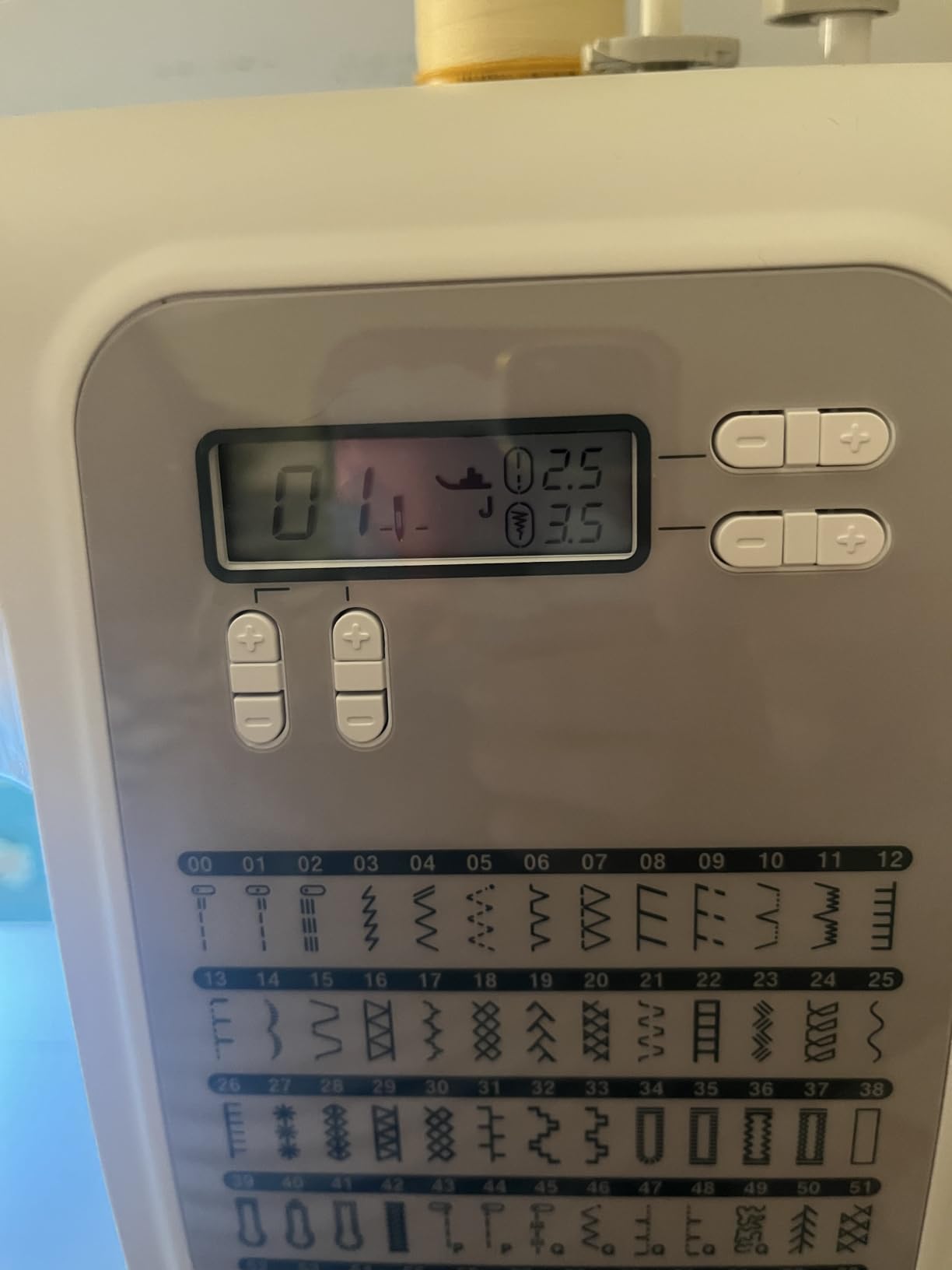
Customer photos


Pros & Cons Analysis
Based on supplied customer reviews and verified product documentation
Pros
- Controls can remove a real barrier to sewing. One beginner who avoided pedal use describes sewing slowly with the front controls; other owners value the speed slider and needle-position button. That makes the CP100X worth considering when controlling the pace matters more than adding stitches. It does not guarantee a comfortable setup for every user.
- The quilting kit has practical support behind it. Owners describe completed quilts, tote bags and smaller household projects, and specifically appreciate the walking and quilting feet. The supplied accessories offer a useful starting point; the owner who added a larger deck also shows why the standard table will not meet every quilting preference.
- It is manageable to take to a class. Reports of carrying it to sewing groups and retreats give the portability claim more substance than a weight figure alone. This suits a machine that must be packed away, although its light body is less reassuring for someone who wants a firmly planted workstation.
- There is room to learn beyond straight stitching. Beginners describe progressing with the manual and videos, while an upgrading owner found buttonholes straightforward. Those accounts support a learning path from basic seams to more functions—not the idea that every automatic feature works without practice.
Cons
- Threading aids do not eliminate setup frustration. Several owners needed practice or a tutorial to use the needle threader, and others report uneven bobbin winding. These are separate operations, so a successful first stitch does not establish that the next thread change will be easy.
- Stitch quality is not consistent across the accounts. Complaints include loose tension, fabric caught near the needle plate, skipped stitches on knits and disappointing decorative patterns. Positive woven-fabric results do not cancel those experiences. The texts do not establish a single cause, so it would be misleading to label every problem user error.
- Bulk is a meaningful limitation. Owners disagree about heavier fabrics, and one quilter found the space around the needle cramped. An extension table supports fabric outside the machine; it does not create more room under the arm. Buyers focused on thick seams or large quilt handling need more than the quilting label.
- Long-term reliability remains uncertain. One owner reports continued quilting after two years, but others describe failure after months or just over a year. A separate buyer returned two units after different problems. These accounts warrant attention to service access, but cannot establish the machine’s failure rate.
- The portable package has some rough edges. One owner reports the machine moving on the table; others dislike the cover, and individual deliveries had missing accessories or a table that did not fit. Distinguish a complete, correct package from the machine’s normal design before judging the bundle.
Our Verdict
The CP100X is a convincing step up when you want better control over the sewing process, a portable machine and useful quilting accessories together. The owner accounts give that recommendation substance: people describe learning at a manageable speed and completing real projects, including quilts over extended use.
Choose it for control and everyday projects
- You value start/stop operation and adjustable pace more than a heavy machine body.
- Your plans include piecing, household sewing and learning new stitches, with time to practise threading and setup.
- You will use the walking foot, quilting foot and table rather than buying the bundle only for the stitch count.
Look beyond it when the workload demands more
For bulky quilt handling, frequent heavy seams or a machine you must depend on without interruption, the cramped-space and reliability complaints deserve more weight. If decorative finishing is the main reason for upgrading, the mixed reports on pattern quality are especially relevant.
Our recommendation is therefore conditional: buy the CP100X for its accessible controls and practical home-sewing kit, while taking the inconsistent ownership experiences seriously. The supplied evidence does not justify calling it a heavy-duty machine or promising years of trouble-free sewing.
Technical Specifications
| Machine type | Computerized sewing and quilting |
|---|---|
| Built-in stitches | 100; eight one-step buttonhole styles |
| Controls | LCD stitch selection and adjustable sewing speed |
| Threading and bobbin | Assisted needle threader; Quick-Set drop-in bobbin |
| Maximum sewing speed | 750 stitches per minute |
| Maximum stitch dimensions | 7 mm width; 5 mm length |
| Work support | Wide table included |
| Standard feet | 10, including walking, quilting and quarter-inch piecing feet |
| Cover | Hard cover included in the standard package |
| Built-in lettering fonts | None |
Janome JW8100 Review: A Complete Starter Bundle With Bobbin Sensitivity

Juki HZL-HT740 Review: Useful Sewing Controls, Modest Lettering
Janome MOD-50 Review: Useful Computerized Control, Modest Workspace