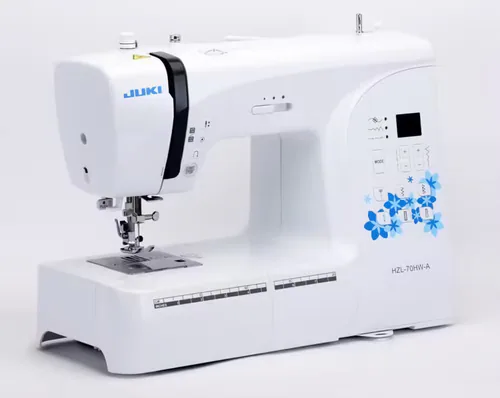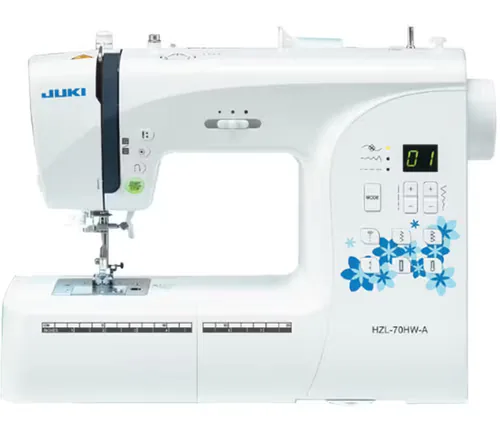
The HZL-70HW has a credible role as a machine for classes and retreats: one owner describes taking it to classes in Sisters, Oregon and being pleased with its performance. Another values the threading and bobbin routine. Those specific experiences are a better starting point than the earlier claims of effortless sewing on any fabric.
A class machine with more than six stitches
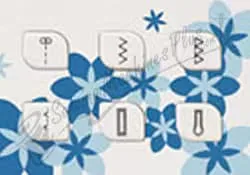
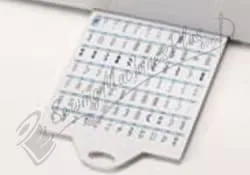
The six direct-selection buttons are shortcuts, not the total stitch repertoire. Juki documents 80 patterns, a machine-only weight of 5.8 kg and maximum speed of 800 stitches per minute. The old six-stitch comparison table was incorrect.
Taking it away from home
Sandy Thompson’s July 2023 account on the exact merchant page identifies classes and retreats as the reason for buying. Her successful class trip supports that use case, although it does not describe the complete carrying load or the projects sewn.
Preparing for the next seam
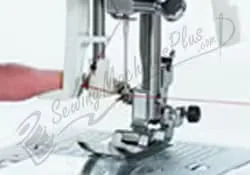
Kathy Seiber praises the needle threader and says refilling the bobbin and threading the machine are easy for her. These are useful setup observations, not evidence that every beginner will find the same routine effortless.
What the electronic controls actually do
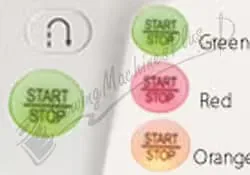
- Start/stop: the button starts sewing and indicates machine status by color. A red light is not a diagnosis of a particular bobbin fault.
- Needle position: the up/down button changes position and the stopping setting. It does not select an arbitrary halfway stopping point in a stitch.
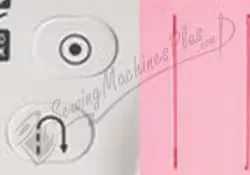
- Seam securing: reverse and reinforcement stitching provide different locking actions. Their presence does not guarantee a seam can never unravel.
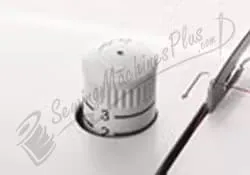
- Pressure adjustment: this provides a setting for fabric handling, rather than an automatic cure for skipped stitches or puckering.
Specifications and automation boundaries
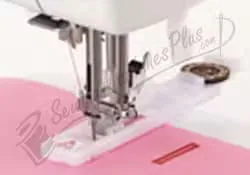
Juki lists dimensions of 400 × 290 × 188 mm, seven-point feed dogs, automatic buttonhole sizing and a needle threader. A manual thread cutter is present, but automatic thread trimming and automatic presser-foot lift are not. Confirm these distinctions if hands-free finishing is central to your choice.
Pros & Cons Analysis
Supported benefits
- Class use: Sandy reports a successful trip with the machine. This is direct support for her portable setup, without claiming that weight alone establishes suitability for everyone.
- Thread preparation: Kathy’s account specifically supports the needle threader and bobbin/threading routine. Those conveniences matter when setup interrupts short sewing sessions.
Cleaning access and reverse-stitch pace
Gloria’s original account is now traceable: she reports being unable to remove the bobbin case for cleaning and says she takes the machine to a dealer for that work. This describes her maintenance difficulty, not proof that the model requires dealer-only cleaning. Donna Williams likes the machine but finds its backstitching slow to get used to. Her comment is about operating pace, not a confirmed reverse-stitch fault.
For a class purchase, have the normal cleaning procedure explained and consider whether the reverse-stitch pace suits your sewing routine. All seven available merchant entries were checked; the other brief positive remarks do not establish durability or difficult-fabric capacity. No internal adjustment procedure is inferred from either complaint.
Our Verdict
Consider the HZL-70HW for a class setup when its threading conveniences, direct stitch shortcuts and electronic sewing controls are useful to you. Keep the complete travel load and maintenance routine in the decision. If automatic trimming or foot lifting is a priority, its computerized label should not be mistaken for those functions.
Product illustrations