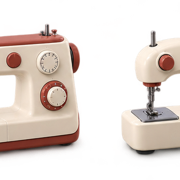
Lastempa 520 Review: Small Repairs, Bobbin Setup and Fabric Limits
At a Glance
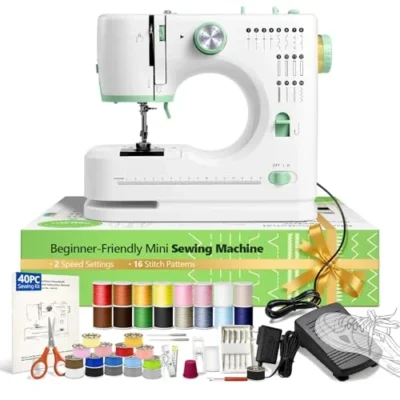
KEY FEATURES
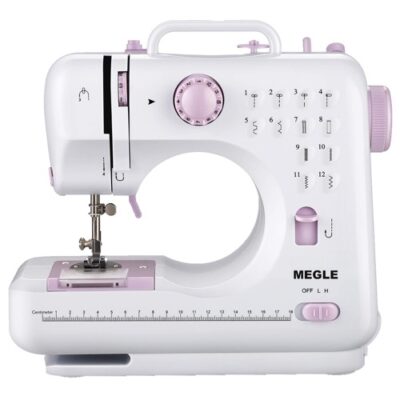
- 16-position selector pictured
- Low/high speed settings advertised
- Compact tabletop body
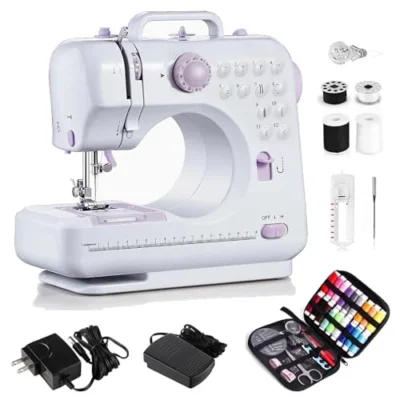
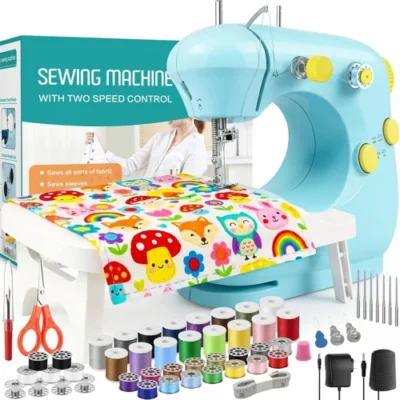
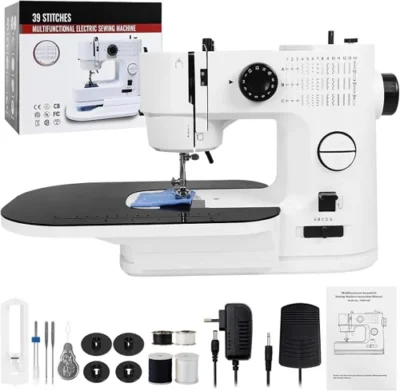
- Foot pedal and starter supplies advertised
PROS
- Owners completed small repairs, pouches and a teaching project
- Compact size suits small tables and storage between sessions
- Prewound supplies helped some owners get started
CONS
- A beginner could not rethread the bobbin after successful repairs
- Owners report limits on denim, leather and soft fleece
- The small, lightweight pedal can slide during use
- One owner received no advertised starter kit
Editorial Rating
Based on supplied customer reviews and verified product documentation
Price and availability subject to change
The green Lastempa 520 makes the most sense as a machine you can bring to a small table for practice and light repairs. The important question is whether you can keep using it after the supplied thread runs out. One beginner repaired a vest and pants, then could not rethread the bobbin even with a friend’s help. Another learned to make small zippered pouches after reading the instructions and working through a few evenings of trial and error.
The second setup matters as much as the first seam
A repair completed, then a stalled restart
The vest-and-pants owner found the first projects encouraging, but the bobbin-thread problem interrupted that progress. Their account does not establish a broken mechanism. It does show why a prethreaded start cannot demonstrate that an inexperienced owner will manage the next setup alone.
Learning with instructions and help
The pouch maker describes reading the instructions and asking questions before sewing. Another family found threading videos useful for a young learner. These are reasons to allow time for learning, rather than expecting a machine labeled beginner-friendly to remove the need for guidance.
The accounts differ on ease of use. Several owners got started quickly; the interrupted repair account deserves equal attention when choosing a first machine. For a broader view of what small machines demand, see our mini sewing-machine setup guide, alongside the instructions supplied with the exact model.
What owners have actually made
- Clothing repairs: owners describe repairing a vest and pants and mending small tears. Those are concrete outcomes, although they do not establish repeated performance on every garment fabric.
- Learning projects: small zippered pouches and a machine cover show that useful practice can go beyond the supplied fabric swatch.
- Portable work: one family reports using it for theater costumes in a dorm and taking it to the theater. The account supports convenience, not an independently verified comparison with full-size machines.
Fabric choice can change the result
Denim reports conflict. One experienced owner says the machine went through denim; others describe struggling with jeans or with denim and leather. The accounts do not identify matching fabric weights, needles or seam thicknesses, so they cannot establish a safe layer limit.
The experienced owner who liked it for mending also reports poor results on soft fleece. Light weight alone therefore does not guarantee that a fabric will feed well. If bulky jeans hems are the reason for buying, read our guide to denim on mini machines before treating a successful flat seam as proof of hem capacity.
The machine stays small; the pedal can move
Compact storage and easy lifting recur in the owner accounts. A user with a small bedroom table specifically appreciates the footprint, and an experienced owner finds the machine itself stable during a teaching project.
The pedal receives a different assessment. Owners describe it as small, lightweight and plasticky; one says it slides across the floor and makes control difficult. This is a separate consideration from the machine’s table stability. A compact body is useful only if the complete setup is comfortable to operate.
Identify the green 520 before comparing stitch totals
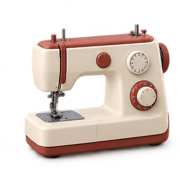
This review covers ASIN B0GXG2PDGM, listed as model 520 in green. Its product chart and selector diagram show 16 numbered positions, and the package image says 16 stitch patterns. One seller feature paragraph still says 12. We describe the pictured 16-position selector rather than treating that contradictory paragraph as a verified specification.
How it differs from the Lastempa already reviewed here
The existing Lastempa 12-stitch review covers ASIN B0GXSB3PN9, whose catalog model is 725 and whose picture shows a different, 12-position chart. The model and chart distinguish the offers; they do not establish better stitch quality or longer service for the green 520.
The starter supplies are convenient when they arrive complete. An owner appreciates the prewound thread and practice fabric, while another reports receiving no advertised starter kit. A separate owner finds the included scissors poor. Those accounts favor treating the accessories as a starting convenience, not the main reason to select the machine.
Pros & Cons Analysis
Based on supplied customer reviews and verified product documentation
Pros
- There are useful completed projects behind the praise. Accounts include a repaired vest and pants, small zippered pouches and a machine cover. They support light mending and practice; they do not establish a replacement for a full-size garment or quilting machine.
- Storage and moving the machine are practical strengths. Owners value using a small bedroom table, carrying the machine and putting it away. One family also describes dorm and theater use. That convenience is relevant when a permanent sewing station is unavailable.
- The supplied setup can lower the first-project hurdle. One owner appreciates receiving the machine prethreaded, with practice fabric and prewound thread. This helps explain the encouraging first-use reports, but it does not remove the need to learn rethreading or establish accessory quality.
Cons
- A successful start did not guarantee a successful restart. After repairing clothing, one beginner and their friend could not rethread the bobbin. The cause is unresolved, so this is a learning or setup limitation reported by that owner, not a diagnosed manufacturing fault. It matters when the machine will be used without experienced help.
- Fabric handling has clear boundaries and conflicting examples. Some owners report difficulty with jeans, denim or leather; one experienced sewer succeeds on denim but finds soft fleece troublesome. Without comparable seam and needle details, these accounts support caution with demanding fabrics rather than a universal material rule.
- The pedal can be harder to position than the machine. A teaching-project owner reports the lightweight pedal sliding on the floor, and another finds its small size takes practice. The concern is foot control during sewing, distinct from the portable machine body or its stability on a table.
- The advertised kit was incomplete for one buyer. An owner says the machine worked but arrived without the starter supplies. Other owners received useful extras, so this remains an individual fulfillment complaint rather than evidence that the kit is normally absent.
Our Verdict
A conditional choice for light work in a small space
The green 520 earns consideration when easy storage and occasional practice matter most. The completed repairs and pouch-making account give that recommendation substance. Its weaker case is sewing independently from the first session, or tackling difficult fabrics because the listing promises versatility.
- Consider it: for small repairs and learning projects, with time to understand bobbin setup and a comfortable place for the pedal.
- Choose a different class of machine: for regular garment construction, bulky hems or work where inconsistent fabric handling would interrupt the project.
Compare mini and full-size machines by the work you plan. Sixteen selector positions offer choices; they do not outweigh the setup and fabric limitations in the owner accounts.
Why the editorial rating is 3.3 out of 5
These are editorial judgments about the documented use case, not lab measurements or an average of Amazon stars. The overall score is the equal-weight mean of the four assessments below.
- Stitch quality and control — 3.5: successful repairs and even-stitch reports are qualified by mixed fabric results and pedal handling.
- Ease of setup and use — 3.2: encouraging beginner experiences coexist with the unresolved bobbin-rethreading interruption and the need for help.
- Fabric and project fit — 3.4: small repairs and practice projects have support; thicker fabric and fleece reports limit the scope.
- Build, accessories and value — 3.1: portability and useful supplies are offset by the lightweight pedal, weak scissors and an incomplete-kit report. Value here concerns usefulness of the package, not a current-price comparison; long-term durability is unestablished.
Frequently Asked Questions
Does the green Lastempa 520 have 12 or 16 stitches?
Its pictured selector and chart have 16 numbered positions. A seller feature paragraph still says 12; this review identifies the pictured 16-position model, without claiming all positions were independently tested.
Is this the same offer as the Lastempa 12-stitch machine?
No. The green offer is B0GXG2PDGM, catalog model 520. The existing 12-stitch review covers B0GXSB3PN9, catalog model 725, with a different pictured chart. This does not establish which sews better.
Can it sew thick jeans hems?
The supplied denim experiences conflict and do not specify comparable seam thicknesses or needles. They do not justify recommending it for bulky jeans hems.
Does it arrive ready to sew?
Some owners received a prethreaded machine and practice supplies. One reports a missing starter kit, and another could not rethread the bobbin after completing repairs. A prethreaded start does not remove the need to learn setup.
Technical Specifications
| Exact model | 520, green (Amazon catalog model) |
|---|---|
| Built-in stitches / applications | 16 numbered selector positions pictured; seller paragraph also says 12 |
| Speed control | OFF / L / H switch pictured; two settings advertised |
| Dimensions | 12.8 × 6.1 × 11.42 inches (Amazon catalog L × W × H) |
| Foot control | Foot pedal supplied; gradual speed response not verified |