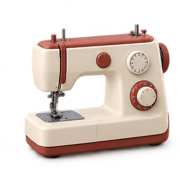
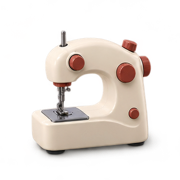
Hyanexvexal Mini Review: The Bobbin Restart Is the Important Test of Support
At a Glance
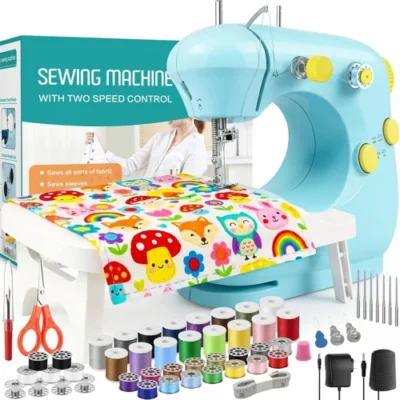
KEY FEATURES
- Two selectable speeds advertised
- Foot pedal and button operation
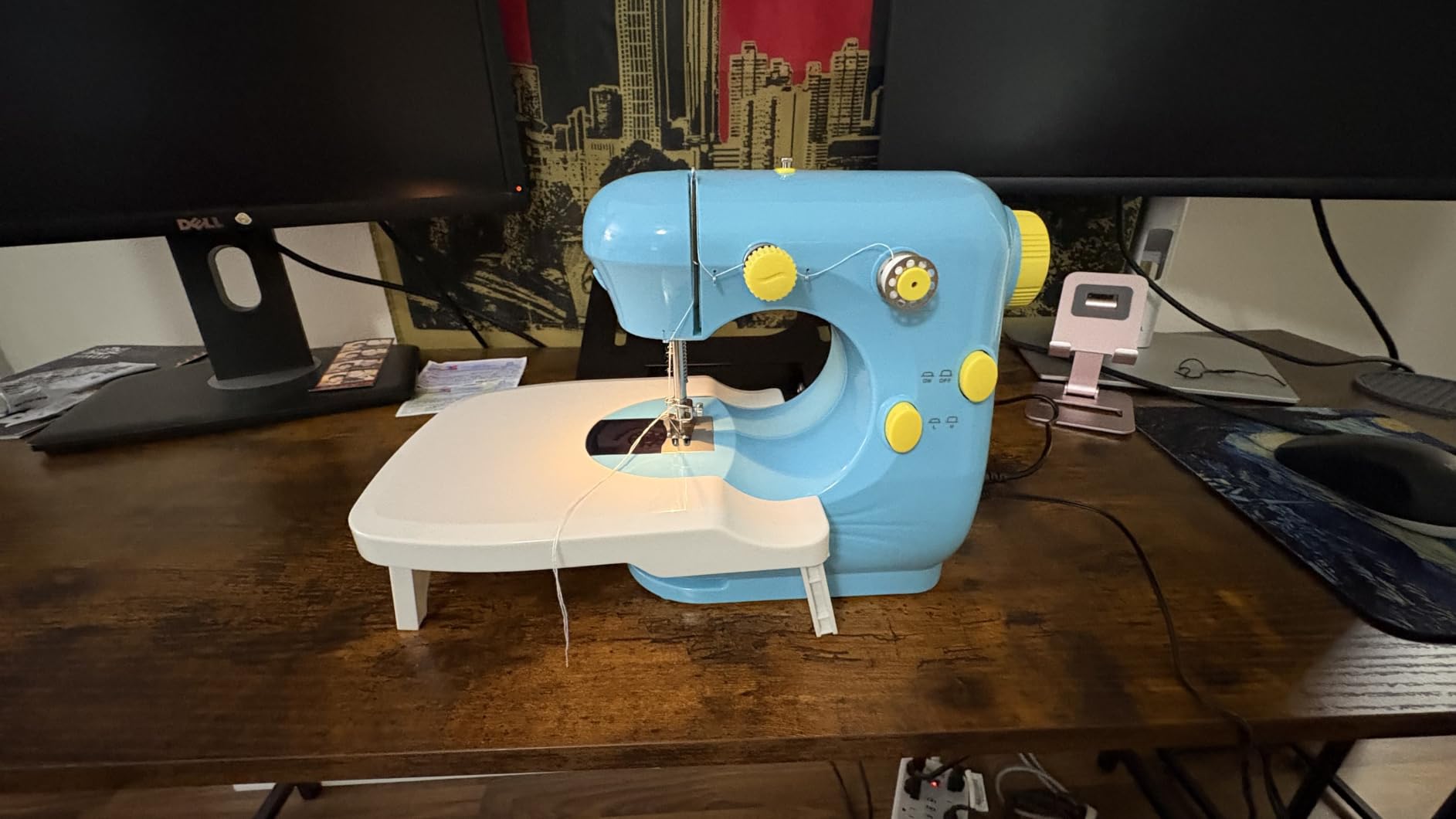
- Extension table and work light listed
- Prethreaded demonstration setup
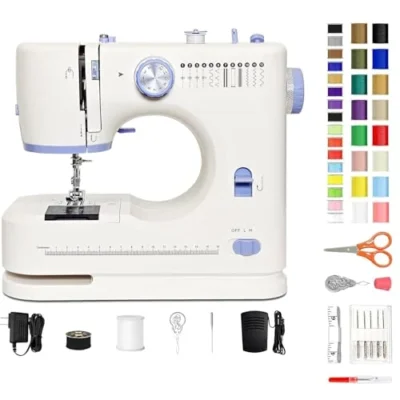
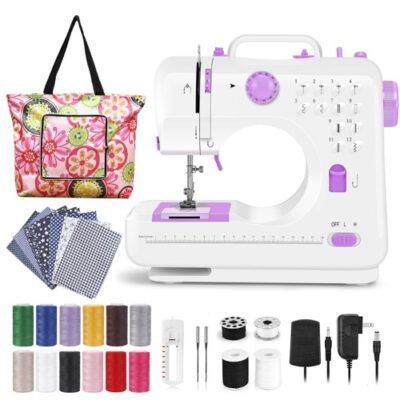
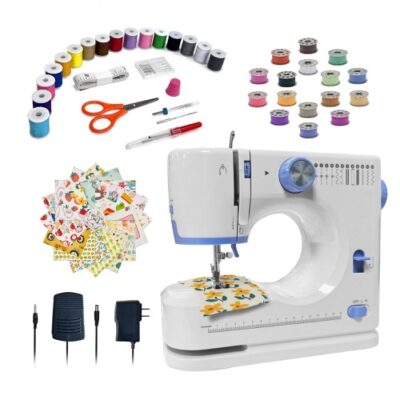
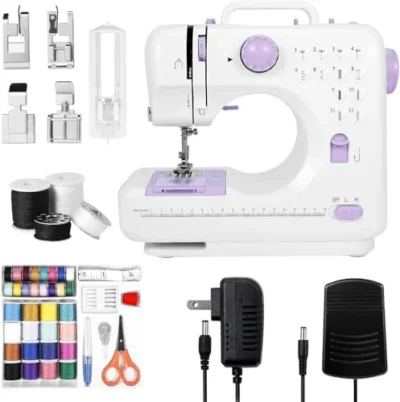
- Starter sewing supplies
PROS
- An experienced sewist successfully taught a beginner
- Supplies and removable tray were appreciated
- Small-project and successful-replacement accounts exist
CONS
- Bobbin setup and rethreading defeated some users
- Jamming and inability to sew recur in the sample
- One early failure ended in a refund after an apparent repeat problem
Editorial Rating
Based on supplied customer reviews and verified product documentation
Price and availability subject to change
Hyanexvexal’s compact kit has supported successful beginner lessons and small projects, but several owners struggled to make it sew or keep it sewing. The most revealing account concerns a bobbin thread that would not catch after the first thread break. For a new user, the ability to restart matters more than a prethreaded demonstration.
The lesson that worked
An experienced sewist bought the machine to teach a friend’s child who wanted to help with sewing projects. They found it easy to teach the basics and appreciated the different threads and removable tray. That is meaningful evidence for supported learning: there was someone present who already knew how to sew.
Other accounts describe good small-project results, and a buyer whose first machine was defective reports that the replacement worked for basic stitching. That resolution belongs in the assessment. It would be misleading to count only the initial failure or to count the replacement as a second independent owner.
Then the supplied thread runs out—or breaks
The recovery gap
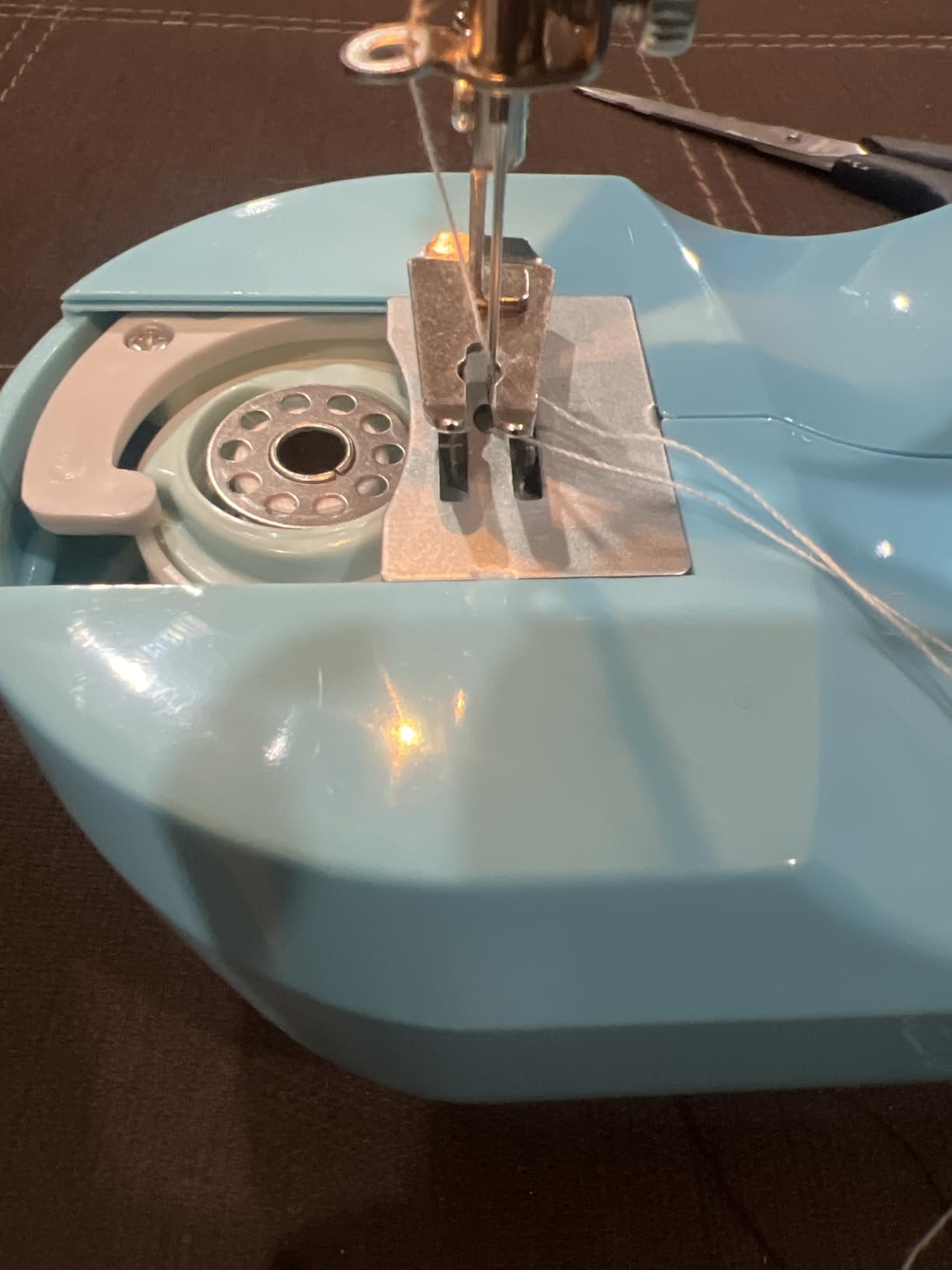
One owner could not get the bobbin thread to catch after the first break and found the available tutorial inadequate. Another retrieved account had not worked out bobbin setup at all. These descriptions do not establish whether the problem was threading, adjustment or a fault. They do show that the promised beginner support did not get those users back to sewing.
The listing explicitly describes factory prethreading as a demonstration rather than evidence of a used machine. That can reduce the first-session workload, but it does not show that a learner can repeat the thread path. Our mini not-stitching guide explains general setup distinctions; the supplied diagram and seller support must cover this exact mechanism.
Separate the reported problems
- Jamming: one owner reports constant jams while still trying to make it work.
- No usable seam: several accounts say they could not sew; one specifically struggled with a straight seam. Their descriptions do not all identify the same cause.
- Failure after early use: a granddaughter’s machine reportedly stopped after a take-up-lever problem, returned with an apparent repeat problem and was refunded. This is one ownership history.
- A successful replacement: another owner’s replacement made basic stitches. Service outcomes are mixed, not uniformly unsuccessful.
The kit helps only after stitching is dependable
Threads, basic tools, a light and an extension table make the package inviting. The tray and supplies were genuinely appreciated, but a photo of neatly packed accessories is not evidence of completed sewing. The listed double-thread construction also does not mean twin-needle operation: those describe different things.
What remains uncertain about the machine itself?
The exact stitch count, approved needle system and long-term service record are not established in the checked material. We do not borrow those specifications from a similarly shaped mini. The feedback is enough to identify support and reliability concerns, not to calculate the probability of a faulty unit.
If a learner will have little help, compare models on rethreading instructions and after-sale support in the mini sewing-machine shortlist, rather than treating a larger accessory bundle as a substitute.
Pros & Cons Analysis
Based on supplied customer reviews and verified product documentation
Pros
- Supported teaching has a concrete example. The hospital-project account involved an experienced sewist helping a child learn. It shows how the machine can work in a guided lesson, without establishing that every child can set it up independently.
- The supplies serve practice. The teacher appreciated the range of thread and removable tray, while other buyers liked the organized tools. These are useful learning conveniences after the machine is sewing correctly, not evidence of stitching reliability.
- There are working outcomes, including a replacement. Owners describe small projects and basic stitches. The positive replacement account prevents an unfair all-failures narrative, while leaving the initial defective unit and mixed service experiences relevant.
Cons
- Restarting can be harder than starting. The post-break bobbin complaint concerns an ordinary ownership task that the available tutorial did not resolve for that user. Factory prethreading cannot substitute for understandable rethreading support.
- Some owners never reached dependable sewing. Constant jams, inability to sew a small piece and trouble forming a straight seam appear in separate accounts. Their causes are unverified, but they directly limit a low-frustration beginner recommendation.
- An early failure was not resolved for one family. The reported take-up-lever problem returned after what the buyer understood as a repair attempt, ending in a refund. This is a single account with a repeated problem, not two independent failures or proof of a specific component defect.
Our Verdict
Not our default for a learner sewing alone
The supported lesson and working small-project accounts explain why some buyers like Hyanexvexal. However, the difficulty recovering from a thread break and the separate nonworking reports are substantial reservations for an inexperienced user without help.
We would prioritize a machine with clearer rethreading support over this accessory package. If you already own it and it is behaving abnormally, seek model-specific assistance rather than assuming every problem is something a beginner should learn to tolerate.
About the editorial rating
Editorial assessment, not an Amazon customer average or a hands-on test. Stitch/control 2.1 reflects jams and nonworking reports alongside basic successes; setup 2.0 reflects bobbin recovery and guidance problems; project fit 2.5 recognizes supervised lessons and small work; build/accessories/value 2.2 balances useful supplies against early failure and mixed replacement outcomes. These judgments do not quantify defect rates.
Frequently Asked Questions
Does factory prethreading mean this is a used machine?
The listing says it is a demonstration setup. Prethreading alone does not establish prior ownership.
Does double thread mean it takes a twin needle?
No. Double-thread stitching and a twin-needle setup are different. Twin-needle support is not verified for this offer.
Did all replacement machines fail?
No. One owner reports a successful replacement; another reports a repeated problem followed by a refund. The accounts have different outcomes and must not be combined into a failure rate.
Technical Specifications
| Exact model | Hyanexvexal mini kit, B0H68XF7PN |
|---|---|
| Control type | Button and foot-pedal operation |
| Primary functions | Basic sewing practice and small repairs |
| Built-in stitches / applications | Exact selection count not verified |
| Speed control | Low and high settings |
| Foot control | Included |
| Start / stop button | Button operation listed |
| Extension table | Included |
| Lighting | Built-in light listed |
| Bobbin / looper system | Bobbin system; exact specification not verified |
| Twin-needle support | Not verified; double-thread wording does not establish twin-needle support |
| Thread cutter | Built-in cutter listed; automatic cutting not established |