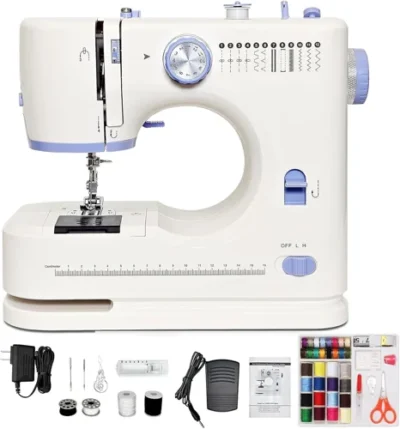
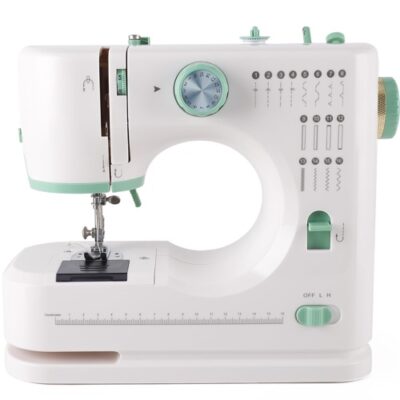
kidoom 39-Stitch Review: More Selections, but Check the Chart and Bobbin Access
At a Glance
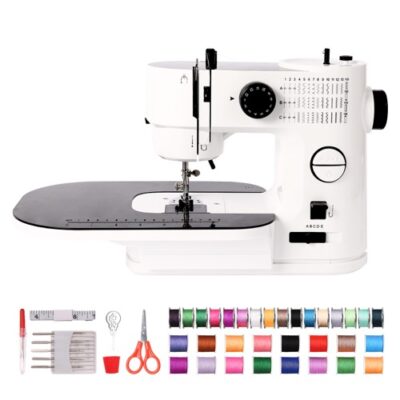
KEY FEATURES
- 39 advertised stitch selections
- Reverse and twin-needle option
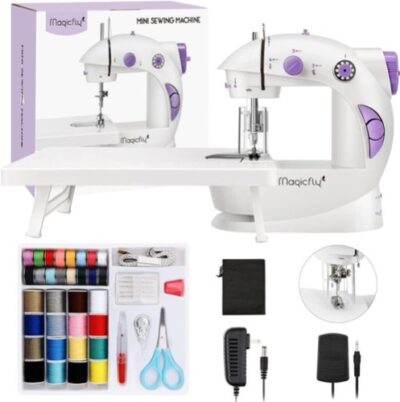
- Included extension table
- Work light, cutter and winding function
PROS
- Table adds fabric support
- Reported light sewing and buttonholes
- Compact storage with more selections
CONS
- Stitch count needs chart-level interpretation
- Table obstructs bobbin access in one detailed account
- Uneven feeding and abrupt pedal reports
Editorial Rating
Based on supplied customer reviews and verified product documentation
Price and availability subject to change
The kidoom 39-stitch offer presents two upgrades to inspect: more chart entries and an extension table. A detailed owner identifies the less visible tradeoff—the table obstructs the bobbin cover. For frequent color changes, that access cost may matter more than the largest number in the title.
A bigger surface can make the bobbin harder to reach
Ten selected accounts from the 29-text source underpin this assessment. One owner likes the table but describes difficulty with a ruffled pillowcase seam. Another specifically reports that the table blocks the bobbin cover. These details show why a larger support surface is not an uncomplicated upgrade.
If you frequently change colors or inspect the lower thread, check how the table attaches and whether it must be removed. An occasional project may make that extra step acceptable. Repeated interruptions during a longer sewing session can make it much less convenient.
Thirty-nine entries need a chart, not a replacement guess
The B0G6M4G7ZX offer advertises 39 stitches, reverse and twin-needle capability. Several selected owners explain the count as related pattern or position/size selections. Their descriptions are not fully consistent, so we do not replace the seller’s count with another invented definitive number.
Instead, identify the actual seam you want and locate it on the chart. A variation in size or position can be useful; it is simply different from an entirely new decorative pattern. The stitch-count guide explains that distinction.
| Advertised attraction | Ownership question |
|---|---|
| 39 selections | Which distinct seams do the chart and controls actually provide? |
| Extension table | Can you reach the bobbin cover with it attached? |
| Twin needles | Are the instructions clear about threading, needle size and permitted settings? |
| Your sewing routine | Why it changes the decision |
|---|---|
| Frequent bobbin/color changes | Removing and refitting the table may interrupt the work. |
| One familiar straight seam | Additional chart variations may add little. |
| A specific decorative or twin-needle task | Confirm the exact chart and compatible settings before paying for the feature. |
Jersey success and fabric swallowed by the plate both appear
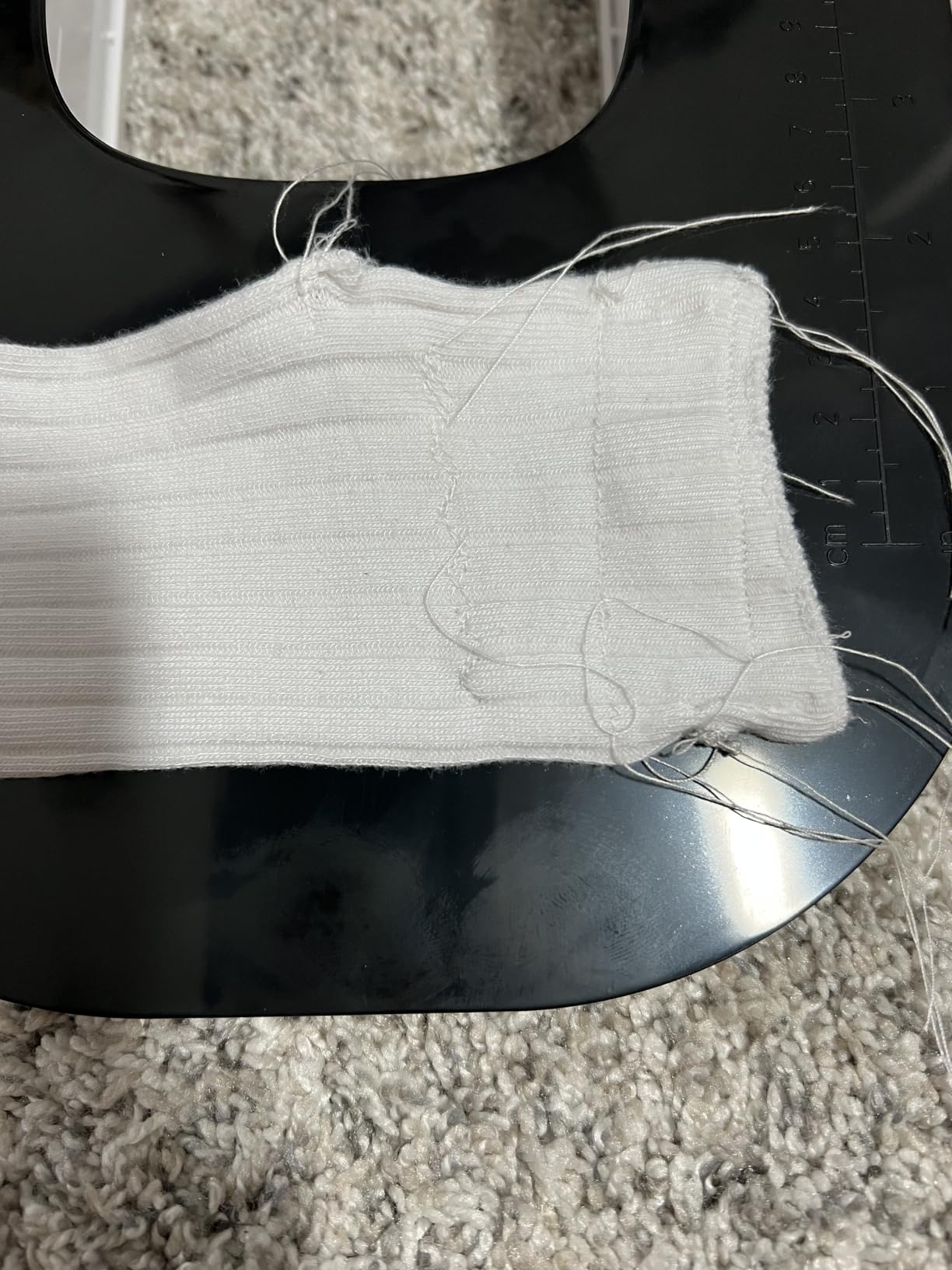
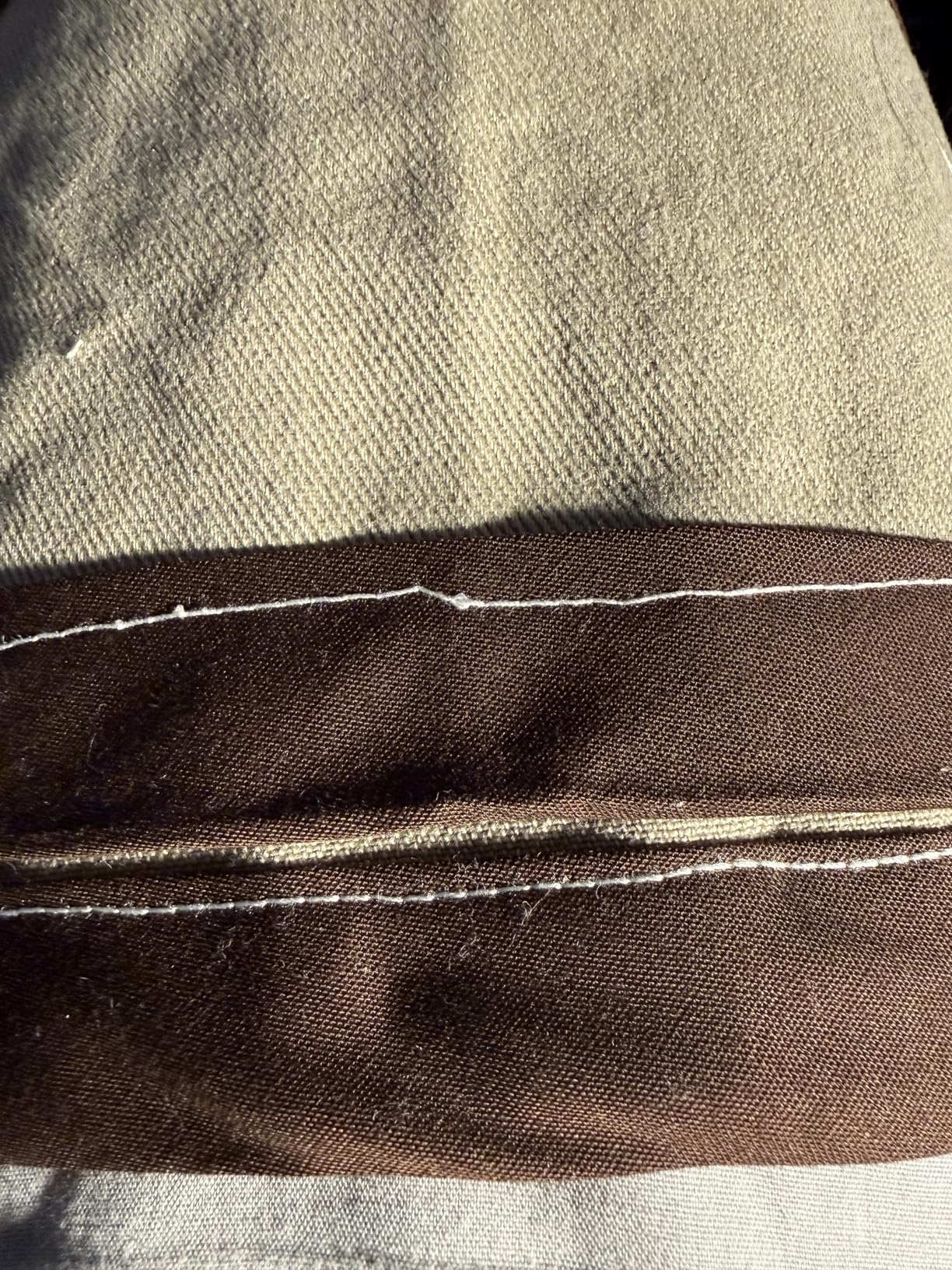
One experienced account describes successful repair work on jersey and heavier fabrics. Others describe light stretch fabric pulling under the plate or trouble crossing a folded ruffle. Those outcomes may involve different constructions and setups; they do not justify promising success on a named fabric category.
Use a sample that reproduces the intended folds and joins, not only flat cloth. Keep the material supported and do not pull it through a reluctant feed mechanism. If it cannot feed normally, reassess the job and machine rather than forcing the needle.
The manual and support route complete this package
Owner impressions of the manual range from helpful to confusing. A detailed buyer also reports little clear brand or support information with the delivered machine. Confirm that you have the matching instructions and a usable support route before assuming the kit is a self-contained introduction to sewing.
The 16 versus 39 comparison separates the two kidoom listings. Neither is ranked as a full-size substitute solely because it advertises twin needles or a high stitch count.
Customer photos
Pros & Cons Analysis
Based on supplied customer reviews and verified product documentation
Pros
- A table can help support a small project. Some users like the additional surface and compact storage. Its usefulness depends on the actual work; it does not enlarge the throat or create extra clearance under the presser foot.
- Several functions have been used successfully. Selected owners report usable buttonholes, reverse and twin-needle sewing. Those are observations of individual units, without establishing professional finishes or compatibility with every fabric.
- The format can serve occasional work. Experienced owners describe a small backup or travel-size machine as a plausible role. That is different from assuming it is the most approachable first machine for someone learning alone.
Cons
- The chart matters more than thirty-nine. Detailed accounts describe related pattern or size selections rather than thirty-nine fundamentally different seams. Inspect the chart before buying for decorative variety or precise independent adjustment.
- More support can mean another setup step. One detailed owner says the table obstructs the lower-bobbin cover. If you change thread often, removing and refitting the support may matter more than its appearance in the listing.
- Feeding and control are inconsistent in the sample. Accounts include light or stretchy fabric pulling into the plate and difficulty regulating the small pedal. Other users succeed on their materials, so the evidence supports a cautious sample test rather than a universal fabric promise.
- Maintenance and support information may be incomplete. One detailed owner found the basic instructions readable but could not find cleaning guidance, a bobbin-type specification or support contact information in the booklet. That is a separate ownership concern from whether an initial seam works, especially when a replacement part or service advice is needed.
Our Verdict
When the 39-stitch package is worth comparing
The stronger case is a chart entry you will use together with a table arrangement that suits your work. The weaker case is assuming that the advertised total means thirty-nine unrelated capabilities or easier learning than the 16-stitch version.
The conflicting fabric accounts do not establish a knit specialist. For someone changing thread often, bobbin access deserves as much attention as pattern choice. Those are the decisions that distinguish this offer from another compact bundle.
Technical Specifications
| Primary functions | Occasional light sewing |
|---|---|
| Built-in stitches / applications | 39 advertised selections; chart interpretation matters |
| Warranty | Confirm seller and regional coverage |