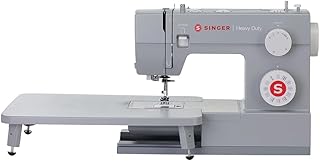
Singer MX231 Review: More Adjustment, Still a Setup Learning Curve
At a Glance

KEY FEATURES
- 23 built-in stitches / 97 applications
- Adjustable stitch length and width
- One-step buttonhole
- Assisted needle threader and front-loading bobbin
PROS
- More stitch adjustment than a fully preset beginner model
- One-step buttonhole reduces manual sequencing
- Threader can help once its operation is learned
- Positive ordinary garment and mending reports
CONS
- Repeated confusion about selecting secondary stitch patterns
- Front-loading bobbin and threading complaints recur
- Needle-threader experiences are mixed
- Some owners report persistent faults and difficult slow-speed control
Editorial Rating
Based on supplied customer reviews and verified product documentation
Price and availability subject to change
The Singer MX231 gives a learner more control than a machine with fully preset stitches. You can adjust stitch dimensions, use an assisted needle threader and make a buttonhole with fewer manual stages. That is a useful combination, provided you are willing to learn the setup rather than treating the extra features as a guarantee of easier sewing.
The worthwhile upgrade is adjustment
The useful upgrade from a preset machine is the ability to alter the seam. Singer lists 23 built-in stitches and 97 applications; applications are techniques, not extra patterns waiting to be unlocked.
Adjust the stitch to the task
Independent length and width controls provide choices as your sewing develops. They also mean there are more settings to learn.
One-step buttonholes
The one-step system reduces manual sequencing compared with the M2100’s four stages. It does not by itself establish a better-formed buttonhole.
An assisted needle threader
Some owners find the threader helpful after learning it; others struggle with its operation. Its presence is a reason to try it, not proof that setup is effortless.
Instructions are part of the buying decision
Several owners describe trouble finding a clear explanation of the bobbin or secondary stitch selections. Others watched a tutorial, corrected the setup and then completed their projects happily. The needle threader also draws mixed reactions: useful to some, difficult to operate for others.
Our source check found a concrete reason for caution. Singer’s MX231 page linked to a PDF whose contents name multiple M-series machines. The filename alone does not prove every instruction inside applies to this model. We use the exact MX231 product record for its functions and leave unconfirmed numeric limits out of the specifications. Ask for clarification when a diagram does not match the controls in front of you.
What owners actually made—and what went wrong
| What the supplied accounts describe | How much to infer |
|---|---|
| Completed repairs and ordinary garments | Supports considering the machine for household sewing. |
| Both successful denim and failed thick hems | Does not establish a heavy-material capacity advantage over the M2100. |
| Improvement after bobbin or threading corrections | Shows that learning can help some users. |
| Persistent jams, needle faults and early returns | Must remain in the assessment; not every problem can be explained as incorrect setup. |
The texts cannot separate material choice, adjustments and defective units in every case. Bring your intended seam construction to a demonstration instead of relying on a generic fabric list. This review uses supplied accounts and documentation; it is not a hands-on test.
A useful first-project plan
Start by learning to wind and insert the bobbin, thread the upper path and identify the controls for the patterns you need. Make a straight seam and an appropriate stretch or zigzag sample, then a buttonhole if garments are the goal. Check both sides before working on the real item. Persistent faults deserve support; repeatedly rethreading without understanding the problem is not a satisfactory long-term workflow.
Our thread-bunching guide can help distinguish common setup checks from a problem that needs attention. Within the beginner machine shortlist, the MX231 is a candidate for someone who values adjustment and can get clear help with setup. Buyers whose priority is minimal learning should give that tradeoff more weight than the number on the box.
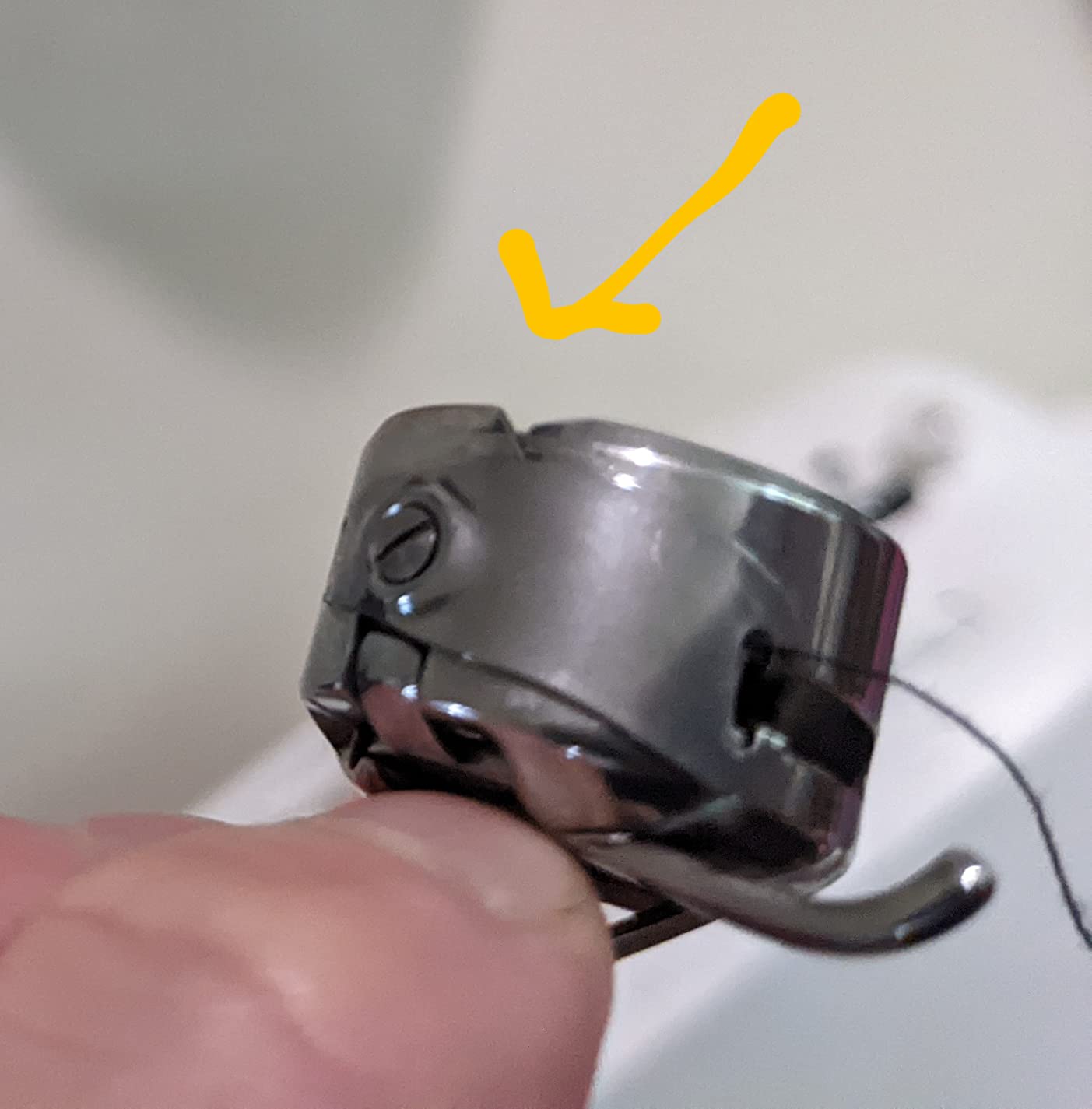
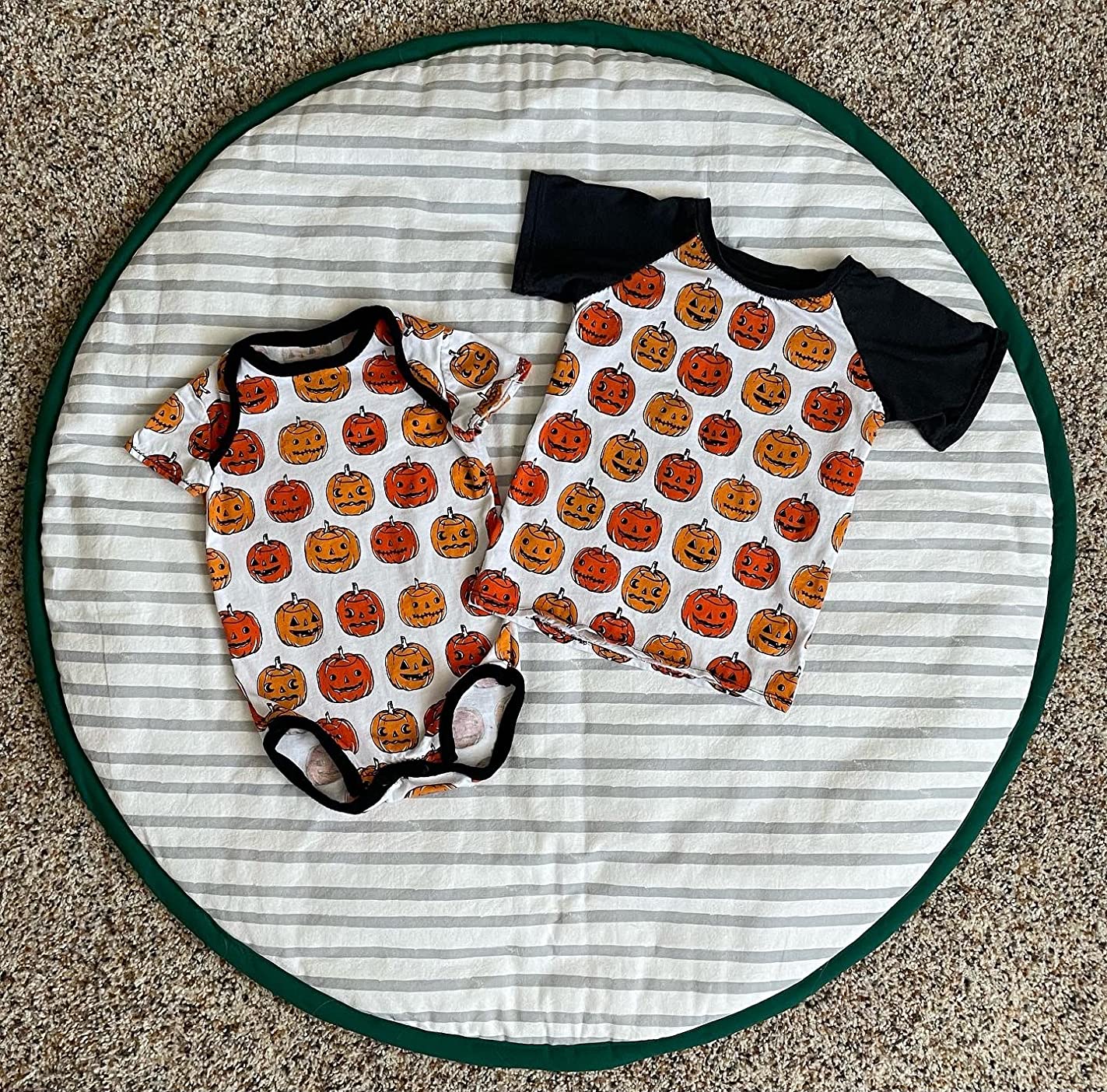
Customer photos
Pros & Cons Analysis
Based on supplied customer reviews and verified product documentation
Pros
- Adjustment leaves room for developing skills. Length and width controls let you adapt a stitch as projects change. That is more useful than interpreting 97 applications as separate patterns.
- Fewer manual buttonhole stages. The documented one-step mechanism reduces sequencing compared with a four-step machine. Sample the result on the garment material before repeating it.
- Threading assistance can become useful. Some owners liked the threader after learning it; others struggled. Operate it yourself to establish whether the aid suits your hands and eyesight.
- Owners completed ordinary household work. Mending and garment accounts support a domestic role. Successful denim examples are individual constructions, not evidence that every thick hem will work.
Cons
- Secondary patterns can be confusing. Owners describe difficulty finding settings and interpreting the application count. Ask for an explanation using the actual dials and patterns you intend to sew.
- The linked manual needs model matching. Singer’s MX231-linked PDF names other M-series machines inside. Clarify mismatched diagrams rather than importing their numeric limits or assuming all settings apply.
- Setup corrections do not explain every fault. Early failures, needle problems and persistent stitch issues appear alongside successful rethreading. Repeated malfunction should not be accepted as a normal learning stage.
- Thick-hem outcomes remain mixed. Successful denim work and failed heavy hems both occur. Adjustable controls give options, but do not prove a capacity advantage over the M2100.
Our Verdict
The MX231 is the more relevant of these two entry-level Singers when you want to learn stitch adjustment and make repeated buttonholes. Those specific controls justify comparing it with the preset M2100.
Useful room to learn, with a setup cost
Its appeal is practical: alter the stitch, use the one-step buttonhole and try the assisted threader. The learning burden is practical too. Owners repeatedly struggle with instructions and secondary selections, and some report faults that never resolve. A buyer with clear model-specific help is in a stronger position than someone expecting every feature to be self-explanatory.
I would favor its controls for developing garment skills, conditional on a satisfactory first sewing session. I would not choose it for thick hems merely because it has more adjustments or a larger advertised application count.
Frequently Asked Questions
Does it have 97 separate stitches?
No. Singer lists 23 built-in stitches and describes 97 applications as techniques using them.
Is the MX231 computerized?
No. It uses mechanical stitch-selection and adjustment dials.
Is the MX231 better for thick denim than the M2100?
The extra adjustments do not prove a material-capacity advantage. Supplied MX231 accounts include both successful denim work and problems at thick hems.
Why does the linked manual name other models?
The PDF linked from Singer’s MX231 page during our check describes several M-series models. Match controls carefully and ask Singer for model-specific clarification instead of assuming every pictured setting applies.
Technical Specifications
| Machine class | Mechanical domestic sewing machine |
|---|---|
| Control type | Stitch-selection and adjustment dials |
| Primary functions | Garments, mending, crafts and basic patchwork |
| Built-in stitches / applications | 23 stitches / 97 applications |
| Speed control | Foot pedal |
| Maximum stitch length | Adjustable; exact maximum not confirmed for MX231 |
| Maximum stitch width | Adjustable; exact maximum not confirmed for MX231 |
| Needle stop up/down | Manual positioning |
| Needle threader | Built-in assisted threader |
| Thread cutter | Manual |
| Bobbin / looper system | Front loading; transparent Singer Class 15 bobbins |
| Workspace right of needle | 5.7 inches, manufacturer specification |
Janome 1522DG Review: Simple Controls, Strong Seam-Crossing Manners
Singer 4423 Review: Fast Everyday Sewing, Not Industrial Duty
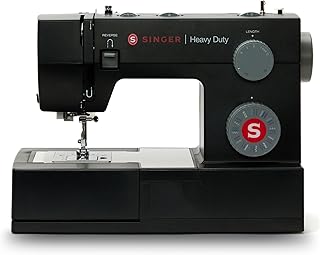
Singer 4432 Black Review: Useful Stitch Range, Mixed Thick-Seam Control