Singer HD500 Classic Review: Retro Mechanical Strength With Bundle Questions
At a Glance
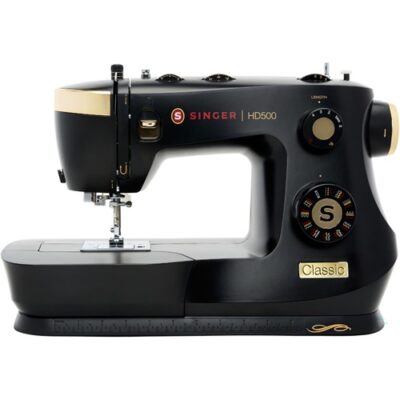
KEY FEATURES
- 23 built-in stitches
- 1,000 spm published maximum
- Adjustable foot pressure
- 5 official included feet
PROS
- Mechanical controls keep stitch, length, width, and pressure adjustment direct
- Owners report smooth everyday sewing and success on several heavier fabric projects
- The automatic threader, top bobbin, one-step buttonhole, and drop feed add convenience
- Retro styling distinguishes it without removing a metal internal frame
CONS
- A replacement unit in the supplied sample sewed only in reverse
- Tension lock-up and one-step buttonhole timing appear in negative reviews
- Documentation and hard-case expectations vary across buyer reports
- It remains a domestic feed system rather than a walking-foot industrial mechanism
Editorial Rating
Based on supplied customer reviews and verified product documentation
Price and availability subject to change
The HD500 Classic invites a mechanical-machine comparison through its direct controls and styling. The more revealing owner stories concern what happens at the bobbin, buttonhole and reverse lever. This review begins with those functional expectations, then puts the heavy-material claims in context.
Several helpers did not resolve one buyer’s tangles
One supplied buyer describes repeated threading attempts with help from other people before returning the machine. Another discusses buttonhole timing and difficult service logistics. These are not representative failure statistics, but they make an important editorial distinction: a mechanical interface may be familiar while a delivered unit remains unusable. Retro appearance and affection for older machines cannot substitute for the particular functions needed on the new one.
The mechanical promise and the delivered controls
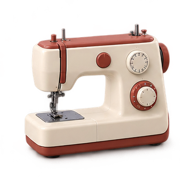
The HD500 keeps selection on dials while adding adjustable stitch length, width, needle position, and presser-foot pressure. A sewer can respond directly to fabric without entering a menu. Drop feed and a top bobbin expand the practical range beyond a bare-bones mechanical model.
The foot pedal controls speed without a separate electronic ceiling. Owners who value direct feedback may prefer that arrangement; a nervous beginner may prefer a computerized limiter.
Positive reports emphasize quiet operation, straightforward setup, and attractive retro form. Negative evidence includes a reverse-only replacement, tension trouble, buttonhole timing difficulty, and confusion about a hard case or documentation.
Before discarding packaging, check every foot and cover against the exact bundle. Sew forward and reverse, make a buttonhole around the intended button, vary pressure, drop and restore the feed dogs, and wind multiple bobbins.
- Forward/reverse transition
- Tension across two fabric weights
- One-step buttonhole cycle
- Presser-foot-pressure adjustment
- Case, cover, and accessory inventory
What the stitch count tells you—and what it does not
The exact catalog title says three built-in stitches, but Singer’s official HD500 Classic page publishes 23. The official figure governs this review. It includes utility, stretch, decorative, and a one-step buttonhole range rather than only straight, zigzag, and buttonhole.
That correction matters for search and comparison data. It also illustrates why seller-title bullets should never be copied into the permanent specification table without checking the manufacturer record.
Choose the seam before believing the styling
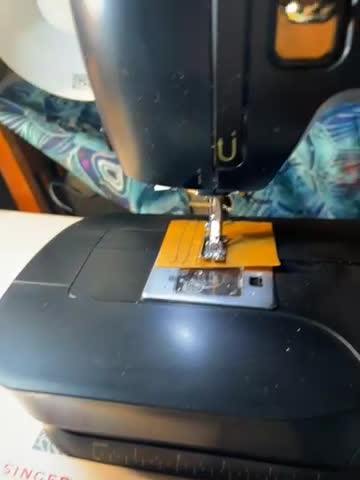
Singer describes enhanced piercing power, a strong motor, metal frame, stainless bedplate, and extra-high foot lift. Owners report successful work on heavier materials, but that evidence varies by needle, seam geometry, and feed demand.
Test the thickest real intersection rather than a flat stack. If layers stop advancing, adding motor pressure can shorten stitches or damage the needle. An industrial walking-foot machine solves a different feeding problem.
| Need | HD500 response |
|---|---|
| Denim hems and home décor | Plausible with correct setup and testing |
| Leather production or compound feed | Not the documented machine class |
| Slow beginner control | Pedal skill required; no slider |
Customer photos

Pros & Cons Analysis
Based on supplied customer reviews and verified product documentation
Pros
- Direct adjustment appeals to mechanical-machine users. Owners can select stitches and alter length, width and pressure without navigating a screen. That is useful for familiar household work where the operator wants visible controls.
- Useful convenience features remain available. The top bobbin, threader and one-step buttonhole can reduce routine handling. Their value is in repeated garment tasks, rather than the retro appearance itself.
- Heavier-project successes are encouraging but specific. Positive owners report smooth sewing on ordinary and some heavier work. These examples support comparison for similar seams, without making it equivalent to industrial feeding.
Cons
- Bobbin setup can still be difficult. One buyer needed several attempts and help from others yet continued to get tangles. A familiar brand and mechanical layout did not make that delivered unit straightforward to use.
- Buttonhole and reverse faults affect core tasks. Supplied reports include timing concerns and a replacement that sewed only in reverse. These should be explained as operational failures reported by individuals, not minor preferences about styling.
- Service and documentation add ownership work. One buyer described burdensome repair logistics; others differed over manuals and cases. Those experiences matter to purchase planning but are not a statement of current universal warranty terms.
Our Verdict
What earns the recommendation
The HD500 Classic offers useful mechanical adjustment in a distinctive body, but the buyer must separate official specifications from bundle claims.
It fits sewists who want direct dials, a 1,000-spm ceiling, and moderate heavy-fabric capability.
The limit to accept before buying
Do not buy it as a substitute for compound feed or without verifying the exact case and accessory package.
- Use 23 as the verified stitch count
- Test reverse, tension, and buttonhole timing immediately
- Match the machine to real seam geometry, not “heavy duty” wording
Final buying guidance
The supplied exact-product evidence contains 100 owner texts. It supports the recurring strengths and specific cautions described here, but it is not a controlled failure-rate sample. Confirm the exact seller bundle, warranty eligibility, and return terms, then complete the model-specific arrival checks before the remedy window closes.
Frequently Asked Questions
What is the Singer HD500 Classic best for?
A garment or home-dec sewer who wants a direct mechanical interface with more adjustment than a basic machine.
What is the main reason not to buy it?
You need computerized speed limiting, industrial feed, or absolute certainty about seller-specific case and accessory bundles.
Which specification matters most?
23 built-in stitches is the clearest model-level comparison point.
What should I test immediately after delivery?
Complete the threading and bobbin sequence from the exact manual, then test the controls and project conditions highlighted in this review before the return period closes.
How much owner evidence was reviewed?
The supplied exact-ASIN set contains 100 owner-review texts. It supports product-specific patterns and cautions, not a statistical failure rate.
Technical Specifications
| Machine class | Mechanical heavy-duty domestic sewing machine |
|---|---|
| Control type | Mechanical dials and foot control |
| Primary functions | Garment, home décor, craft, and moderate heavy-fabric sewing |
| Built-in stitches / applications | 23 built-in stitches |
| Maximum sewing speed | 1,000 stitches per minute |
| Speed control | Foot control only |
| Maximum stitch length | Adjustable; exact maximum not published on official page reviewed |
| Maximum stitch width | Adjustable; exact maximum not published on official page reviewed |
| Needle stop up/down | No programmable stop |
| Needle threader | Built in |
| Thread cutter | Manual thread cutter |
| Bobbin / looper system | Top drop-in Class 15 transparent bobbin |
Singer M3500 Review: Portable Simplicity With Timing and Jam Warnings