SewLaVie 996P Review: A Mechanical Repair Machine with a Useful Table
At a Glance
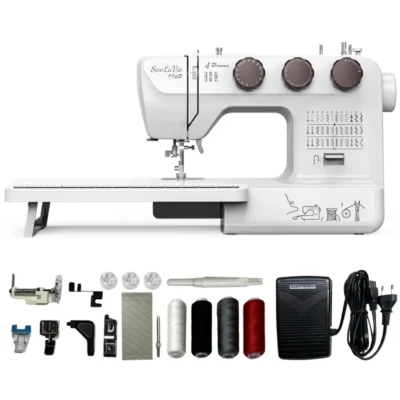
KEY FEATURES
- Direct stitch-length, width and pattern dials
- Free arm plus detachable extension table
- Four-step buttonhole and reverse lever
- Built-in threader and front-access bobbin case
PROS
- Illustrated setup and direct controls help returning sewists
- Table and free arm support different project shapes
- A customer specifically appreciates the built-in threader
- Owners report useful repairs and neat stitching
CONS
- Built-in lighting receives conflicting assessments
- Storage compartment was hard to open for one owner
Editorial Rating
Based on supplied customer reviews and verified product documentation
Price and availability subject to change
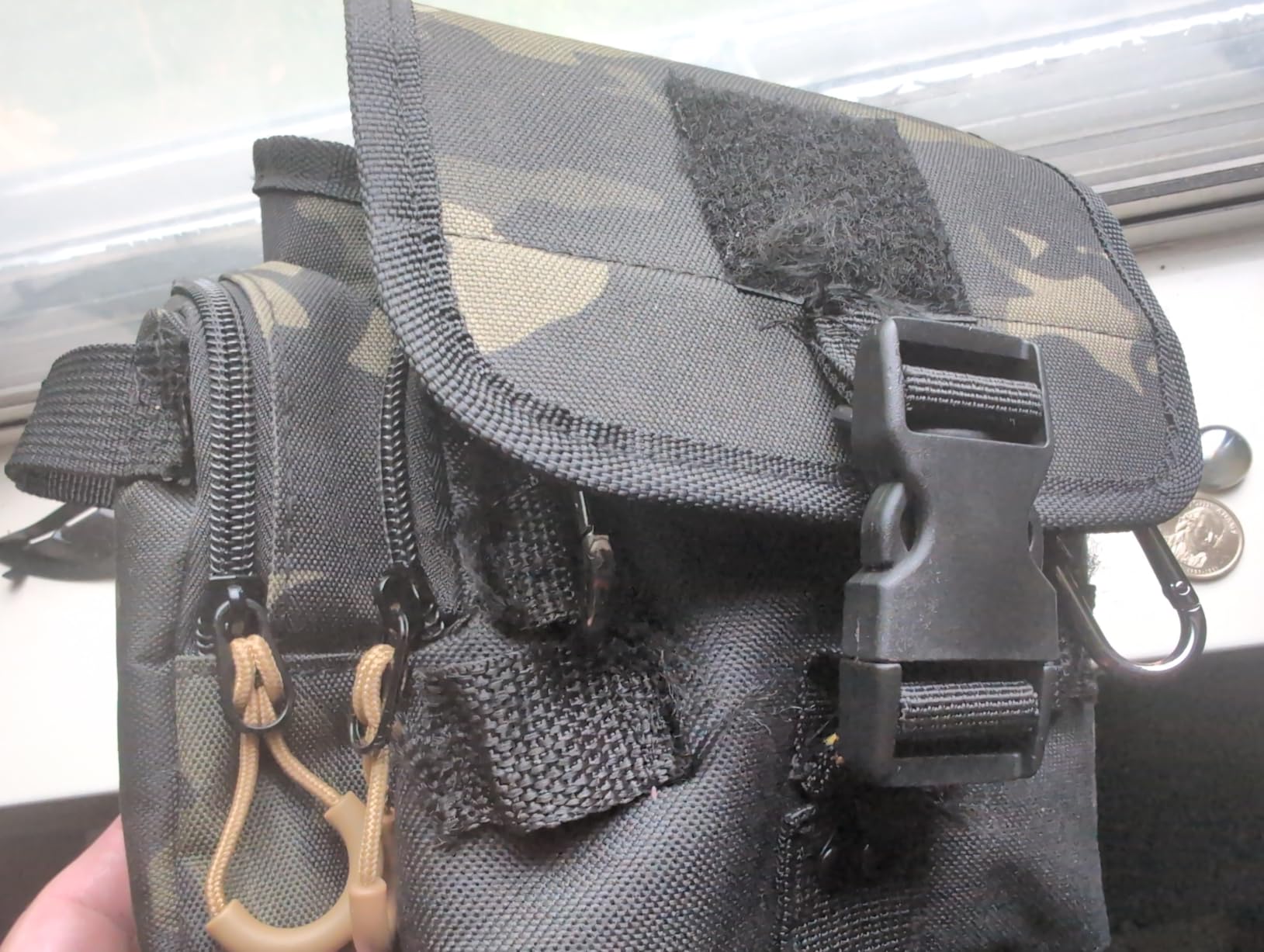
A camera-bag alteration is one of the most informative accounts supplied for the SewLaVie 996P. The owner had little recent sewing experience, used the illustrated instructions and made useful changes to a bag. That is a concrete reason to consider the machine for repairs: accessible controls and workable fabric access can matter more than a long menu of stitches.
Two working surfaces for different repair jobs
Support the fabric on the table
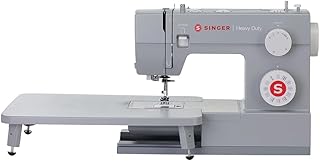
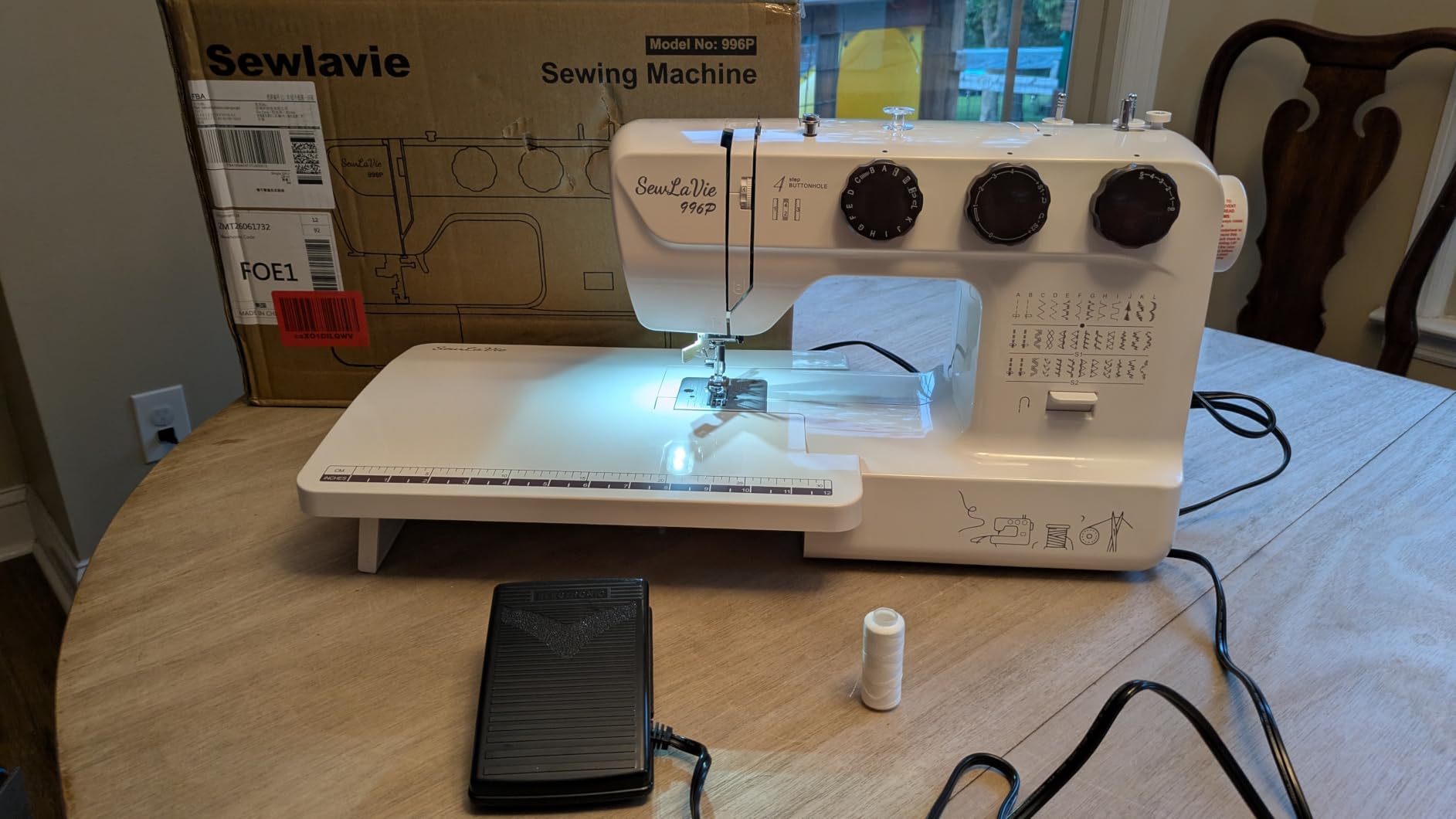
One owner particularly appreciates the detachable extension for larger pieces. It supports fabric outside the sewing bed, helping organize the work without increasing the clearance underneath the presser foot.
Remove the tray for the free arm
The same account values access for sleeves and trouser legs. The camera-bag owner also found the available working space useful, although that single project does not establish capacity for every bag seam.
The 996P manual documents free-arm conversion, feed-dog lowering and separate length, width and pattern controls. The extension table is included in the current offer. These features make the machine adaptable to different shapes of work, but fabric thickness and access still determine whether an assembled item can be sewn conveniently.
Direct dials, with some manual work left to do
An owner praises the large selection knobs and molded threading arrows. The camera-bag account credits the instruction illustrations and built-in threader with making the return to sewing easier. That combination supports a practical learning path for someone who prefers visible controls over a display.
- Pattern, length and width: separate adjustments let you see and change the stitch setup directly.
- Reverse: the manual shows a lever for reinforcing seams.
- Buttonholes: the documented procedure is four-step; the operator moves through the stages rather than relying on an automatic one-step cycle.
- Bobbin access: the manual shows a removable case behind the front cover, rather than a top drop-in bobbin.
Mechanical does not mean there is nothing to learn. The bag-project owner reports a thread buildup and attributes the correction to a tension adjustment. That is their diagnosis of one incident, not a general fix for every jam. Follow the model instructions for threading and the bobbin case before treating any single setting as the answer.
Small conveniences can decide how pleasant it is to use
| Owner observation | Buying implication |
|---|---|
| The built-in needle threader was especially appreciated by one returning sewist. | A useful setup aid, though one success does not establish effortless use with every needle and thread. |
| One account calls the light poor; another finds it helpful for visibility. | The presence of an LED is confirmed, but adequate illumination for your room or eyesight is not. |
| The accessory compartment was difficult to open for one owner. | Onboard storage is useful only if its access suits you; frequent bobbin and foot changes make this more relevant. |
These details deserve space beside the positive stitch reports. A machine can form an attractive seam while still being awkward to prepare or use in a dim workspace. If lighting is a priority, plan the workstation rather than assuming the built-in lamp removes the need for another light.
Denim praise is a project account, not a capacity rating
One customer reports hemming heavy jeans without skipped stitches. Another praises neat patterns and adjustable stitch size. Those are useful outcomes, but the evidence does not establish a maximum layer count, continuous heavy-duty use or a universal ability to cross thick intersections.
The 60 W listing claim does not answer the whole question
The current title advertises a 60 W motor. Motor input power alone does not tell you how a folded seam will feed, whether it fits under the foot or how evenly the stitch will form. We do not turn that specification into a guarantee for leather or stacked denim.
What if you want an electronic speed limit?
The 996P documentation describes pedal control and mechanical dials, rather than the electronic slider documented for the SewLaVie 1130. If maintaining a slow ceiling is more important than a simple control panel, that is a meaningful reason to compare the computerized option.
The seven supplied accounts mostly describe early use. Their positive repair and setup experiences make the 996P a candidate for home work, but they do not yet establish years of service or support quality. Keep those unanswered ownership questions separate from the useful evidence about the first projects.
Pros & Cons Analysis
Based on supplied customer reviews and verified product documentation
Pros
- The learning evidence includes a real repair. A returning sewist used the illustrations to make several camera-bag adjustments. That supports approachable setup for practical work, while stopping short of promising the same result on every bag construction.
- The working surface adapts to the job. An owner values both the table for larger fabric pieces and the free arm for garment openings. These solve different handling problems and give the supplied table a purpose beyond a larger accessory count.
- The threader earned specific praise. The bag-project owner particularly appreciated the built-in aid. It can reduce a repetitive setup task, though the small sample does not establish how consistently every buyer will find it easy.
- Stitch adjustment has practical support. One account praises neat patterns and changing stitch length and width, while another describes a successful jeans hem. These support ordinary home-project use rather than a fixed heavy-fabric capacity.
Cons
- Illumination is not a settled strength. One owner calls the lighting poor and another finds it helpful. Neither measures brightness, so the sensible takeaway is that the lamp may not meet every workspace or vision need.
- The storage access can be awkward. A customer who otherwise recommends the kit finds its compartment hard to open. That small inconvenience matters more if you frequently change feet or reach for stored accessories.
Our Verdict
A credible fit for repairs where handling matters
The 996P makes the most sense for someone who wants direct dials, a usable table and free-arm access for everyday repairs. The camera-bag account and garment-handling feedback give that recommendation a practical basis beyond the advertised stitch count.
- Its strongest case: learning or returning to ordinary sewing with manual controls and a flexible work surface.
- Its unresolved details: lamp adequacy and convenient storage access, with little evidence yet about long-term ownership.
Choose a different control system if a one-step buttonhole or electronic speed ceiling would materially help you. The 996P’s appeal is the hands-on mechanical workflow; the positive denim account should remain a supporting example rather than the main reason to buy.
How we scored this machine
Editorial assessment, not measured testing or Amazon customer stars. Four equally weighted categories cover stitch control, setup, project fit and build/accessory value. Reported repairs, direct adjustment and table/free-arm handling support the assessment. Mixed lighting, awkward storage and limited long-term evidence constrain confidence; no heavy-duty endurance or market-leading value is implied.
Frequently Asked Questions
Does the 996P have a one-step buttonhole?
No. Its manual documents a four-step buttonhole, with the operator changing stages.
Is its bobbin top loading?
The manual shows a removable bobbin case accessed through the front cover. It is not the top drop-in arrangement described for the 1130.
Is it suitable for denim hems?
One supplied owner reports a successful heavy-jeans hem, but that does not establish a limit for all weights or folded seam intersections.
Will it sew overlock edges like a serger?
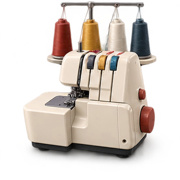
The manual includes overlock-style sewing stitches, but the 996P is not a serger with loopers and a fabric-trimming knife.
Technical Specifications
| Brand / model | SewLaVie 996P |
|---|---|
| Type | Mechanical sewing machine |
| Advertised stitches | 36 built-in selections |
| Controls | Pattern, stitch length and stitch width dials |
| Buttonhole | Four-step |
| Bobbin | Removable front-access bobbin case |
| Reverse | Manual reverse lever |
| Work surface | Free arm and included extension table |

Singer M2100 Review: Simple Stitch Choices, Uneven Setup Experiences
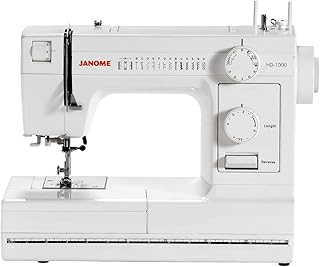
Janome HD1000 Review: All-Aluminum Simplicity With an Old-School Bobbin
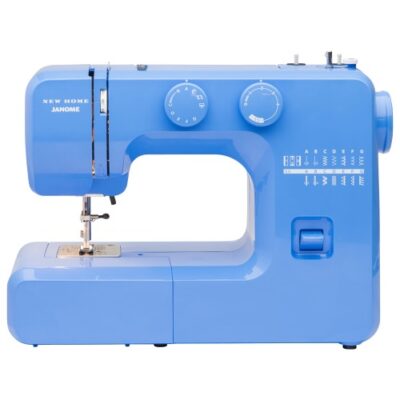
Janome Blue Couture Review: A Friendly First Machine With a Lightweight Tradeoff