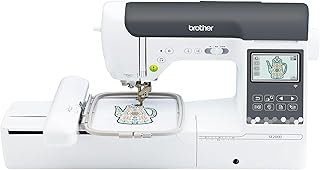
Juki HZL-F600 Review: Box-Feed Precision With a Serious Learning Curve
At a Glance
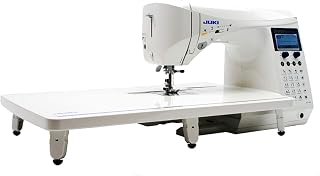
KEY FEATURES
- 225 patterns plus four fonts
- 900-spm maximum
- Box-feed mechanism
- Wide table and knee lift
PROS
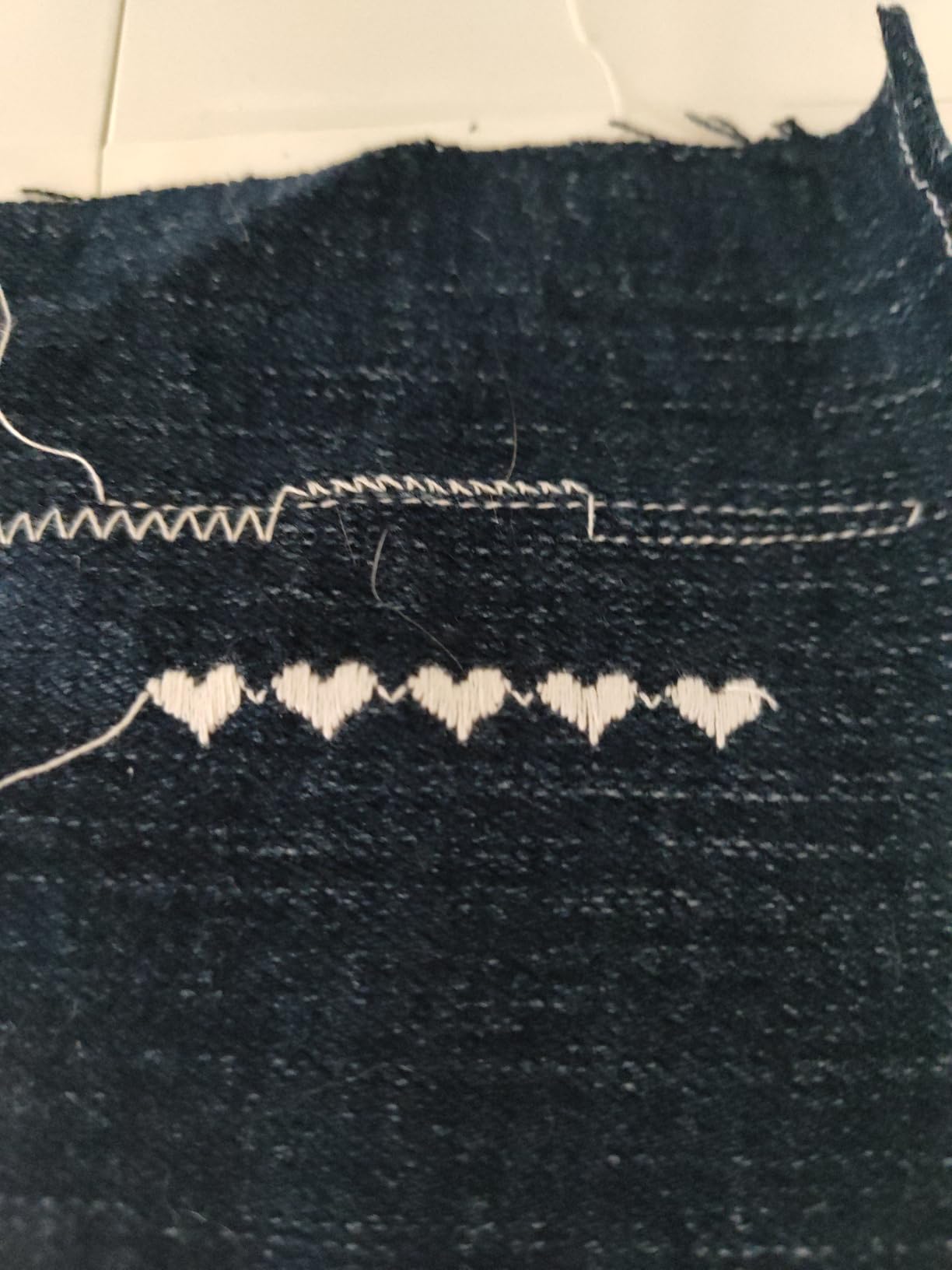
- Owners repeatedly praise beautiful, balanced stitches
- Box feed and a wide table support quilting and difficult fabrics
- Automatic tension, cutter and strong accessory set reduce repetitive setup
CONS
- The feature set takes time to learn
- Some owners find threading or bobbin setup less intuitive than expected
- At 21.6 pounds it is not an especially portable computerized machine
Editorial Rating
Based on supplied customer reviews and verified product documentation
Price and availability subject to change
A quilter choosing the HZL-F600 may be buying time: time saved placing a seam, changing techniques and handling repeated starts. The evidence is more informative when organized around those transitions than around the number of patterns. Learning the machine is part of realizing that benefit.
From a familiar seam to an unfamiliar technique
Automatic tension, cutting and needle stop can accelerate repeated work, but only after the operator understands the screen and threading route. This is a machine that rewards manual reading.
Use the first week to sew straight seams, wide decorative patterns, buttonholes and free-motion samples. Save preferred settings only after the default behavior is understood.
Accessories become useful one project at a time
A first-time computerized-machine buyer became comfortable through practice and used videos to revisit unfamiliar steps. Another valued quarter-inch placement when piecing. Those accounts connect the features to work that actually needs doing. They also give a reason to avoid judging the whole purchase in a single unboxing session: a foot or setting becomes meaningful when the project calls for it, and unfamiliar controls need an understandable reference.
Needle placement and fabric movement work together
Juki’s box feed moves the feed dog in a rectangular path, reducing the tendency to drag fabric while it rises or falls. Owners connect that control with smooth quilting and clean stitch formation.
Where the quilt goes after the seam is formed
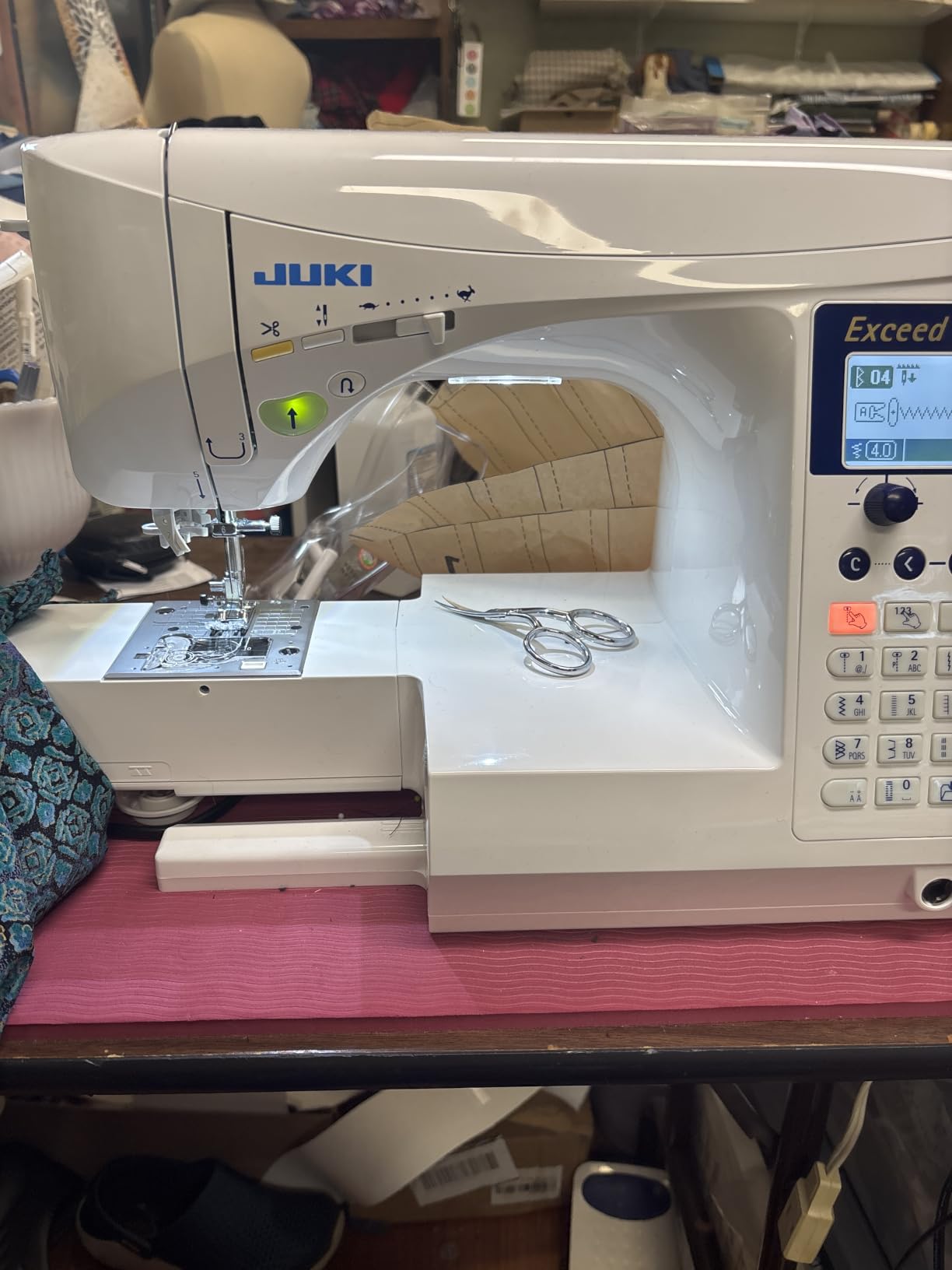
The included table supports large pieces and the 8-inch arm space is useful, yet a domestic chassis still requires rolling and repositioning a bed quilt.
Customer photos
Pros & Cons Analysis
Based on supplied customer reviews and verified product documentation
Pros
- Precise piecing has a concrete explanation. A quilter specifically valued repeatable quarter-inch needle placement. That makes the adjustment useful for matching pieces, rather than merely another setting in the stitch library.
- The accessories support an evolving project routine. One owner moving beyond basic quilting found the included feet, table and storage useful while learning new techniques. Their value came from covering actual tasks without immediately searching for additional tools.
- The learning curve can be manageable. A first-time computerized-machine buyer became comfortable after several days of practice and used videos to revisit unfamiliar operations. Extensive features can be accessible without being self-explanatory on arrival.
Cons
- Advanced controls still demand setup knowledge. Other owners find threading or bobbin preparation less intuitive. Helpful automation does not remove the need to understand the exact thread route when a seam goes wrong.
- Portability is secondary to workspace. The substantial body and table make sense for a sewing station but require planning for classes. Buyers should consider moving and storing the complete setup, not just its listed stitch capabilities.
Our Verdict
The strongest reason to buy
Quilters and garment makers who value feed accuracy and broad automation.
Juki’s box feed moves the feed dog in a rectangular path, reducing the tendency to drag fabric while it rises or falls. Owners connect that control with smooth quilting and clean stitch formation. Owners repeatedly praise beautiful, balanced stitches.
The boundary that decides it
- The feature set takes time to learn.
- Some owners find threading or bobbin setup less intuitive than expected.
- At 21.6 pounds it is not an especially portable computerized machine.
Our final recommendation
Use the first week to sew straight seams, wide decorative patterns, buttonholes and free-motion samples. Save preferred settings only after the default behavior is understood. The supplied 100-review sample supports product-specific observations, not a statistical failure rate. Buy only after the exact seller bundle and return terms are clear, then complete the arrival checklist while every remedy remains available.
Frequently Asked Questions
What is the Juki HZL-F600 best for?
Quilters and garment makers who value feed accuracy and broad automation.
What is its most important limitation?
The feature set takes time to learn.
Which feature matters most in comparison?
225 patterns plus four fonts is the clearest product-level distinction.
What should I test after delivery?
Thread and wind the bobbin from the manual, test the main controls on two fabric weights, and exercise the specific functions mentioned in negative owner reports.
How strong is the review evidence?
The supplied exact-product set contains 100 owner-review texts. It supports recurring themes and specific warnings, but not failure-rate claims.
Technical Specifications
| Machine class | Full-size computerized sewing and quilting machine |
|---|---|
| Control type | Computerized buttons with LCD |
| Primary functions | Quilting, garments, decorative sewing and home décor |
| Built-in stitches / applications | 225 patterns plus 4 fonts |
| Maximum sewing speed | 900 stitches per minute |
| Speed control | Slider, start/stop and foot control |
| Maximum stitch length | 5 mm |
| Maximum stitch width | 7 mm |
| Needle stop up/down | Yes |
| Needle threader | Automatic |
| Bobbin / looper system | Top-loading rotary hook |
| Workspace right of needle | 8 inches / 203 mm |
| Included presser feet | Broad garment and quilting set |
| Buttonholes / eyelets | 16 buttonhole types |
| Extension table | Included wide table |
Singer 6700C Review: Fast Computerized Control With Heavy-Duty Limits
Bernette B37 Review: Versatile Everyday Sewing With Clear Limits

Janome 3160QDC-G Review: Class-Friendly Controls in a Compact Machine