Brother PE900 Review: Why the 5×7 Hoop Is the Real Upgrade
At a Glance
KEY FEATURES
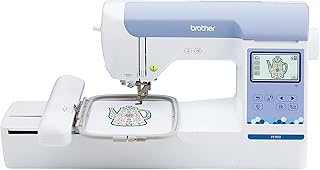
- 5×7-inch maximum embroidery field
- 193 designs and 13 embroidery fonts
- 650-spm embroidery, color sort and jump-stitch trimming
- Wireless LAN, USB and 3.7-inch color touchscreen
PROS
- The 5×7 field handles meaningfully larger layouts than entry 4×4 machines
- Owners like wireless transfers, automatic threading and finished stitch quality
- Color sort and jump-stitch trimming streamline multi-part designs
CONS
- It remains embroidery-only and changes colors one thread at a time
- Threading, bobbin tension and the automatic threader generate recurring learning friction
- The review set includes returns for damaged or malfunctioning units
Editorial Rating
Based on supplied customer reviews and verified product documentation
Price and availability subject to change
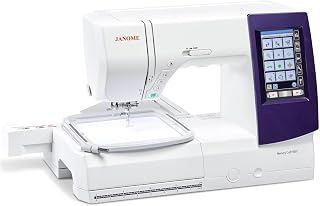
The Brother PE900 is an embroidery-only machine whose value begins with one measurement: 5×7 inches. That field gives names, patches and medium motifs noticeably more room than a 4×4 starter model. The 100 supplied owner texts generally support the upgrade, while also showing that wireless transfer and automatic threading do not eliminate embroidery’s setup discipline.
Measure the design before comparing features
A 5×7 field is large enough for many tote, towel, pouch and apparel placements without splitting the artwork. One customer specifically advises against settling for 4×4 after finding the PE900’s hoop and wireless features useful. It remains a home single-needle format, not a cap driver or a multi-needle production machine.
Wireless is convenient after the first connection
Design Database Transfer and Artspira can send compatible files over wireless LAN, while USB provides a fallback. Positive owners call transfer easy and appreciate avoiding a dedicated cable. Others report connection trouble, firmware confusion or uncertainty about paid design and digitizing tools. Wireless moves a file; it does not convert every image into a stitch-ready design.
Receive and position
The PE900 imports compatible embroidery files and supports resizing, rotating, combining and placement on its color screen.
Prepare the stitch file
Digitizing, density, underlay and color planning happen before the machine can produce a dependable result.
Automatic tools save motions, not judgment
Advanced threading, automatic cutting, jump-stitch trimming and Color Sort address repetitive steps. The owner record still contains threader frustration, bobbin-tension adjustments, breaks and loops. One detailed reviewer traced early trouble to an overly tight bobbin case rather than abandoning the machine; other buyers returned defective or damaged units.
- Verify the exact package and make sure the 5×7 frame and listed accessories are present.
- Run a built-in design with known embroidery thread, bobbin thread and suitable stabilizer.
- Import one small file by the transfer method you plan to use regularly.
- Observe the first trims and color change before leaving the machine unattended.
The project profile that fits
| Goal | Fit | Reason |
|---|---|---|
| Medium home personalization | Strong | 5×7 accommodates more layouts without rehooping. |
| Multi-color hobby designs | Good | Color Sort helps, though every spool change is manual. |
| Regular sewing and alterations | None | This is not a combination machine. |
| Hat and high-volume business work | Limited | One needle and a flat 5×7 field constrain production. |
The PE900 deserves consideration from a buyer who has already measured likely designs and owns a separate sewing machine. Compared with a 4×4 starter, the extra field and workflow features are material rather than cosmetic. Compared with a multi-needle or larger-field platform, its low complexity and price are the attraction—but manual color handling and preparation remain part of every project.
A 5×7 field is useful for a small business, but it is not production automation
Several owners use the PE900 for pouches, sachets and personalized goods. The larger field and 650-spm ceiling make that realistic at hobby or occasional sales volume. Every thread color still stops the job, and a dense design can occupy the machine for a long session. Pricing work should include hooping, trimming, rejected samples and operator attention—not only the displayed stitch time.
Before promising a product, make the exact item repeatedly. Curved hats, thick seams and awkward ready-made garments may not sit safely in the flat hoop. The PE900 is most predictable on flat goods and components that can be stabilized evenly; a different machine class is appropriate when cap frames, many needles or unattended color changes drive the business model.
Pros & Cons Analysis
Based on supplied customer reviews and verified product documentation
Pros
- Owners repeatedly identify the 5×7 hoop as the feature that prevents an immediate size upgrade.
- Wireless design transfer through Artspira or Design Database Transfer is praised when setup succeeds.
- The 650-spm ceiling, color sorting and jump-stitch trimming reduce time on larger or multi-element designs.
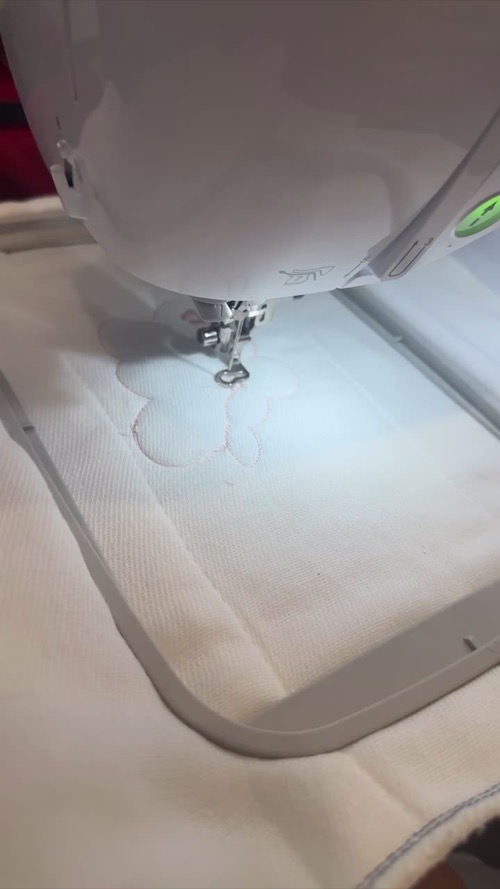
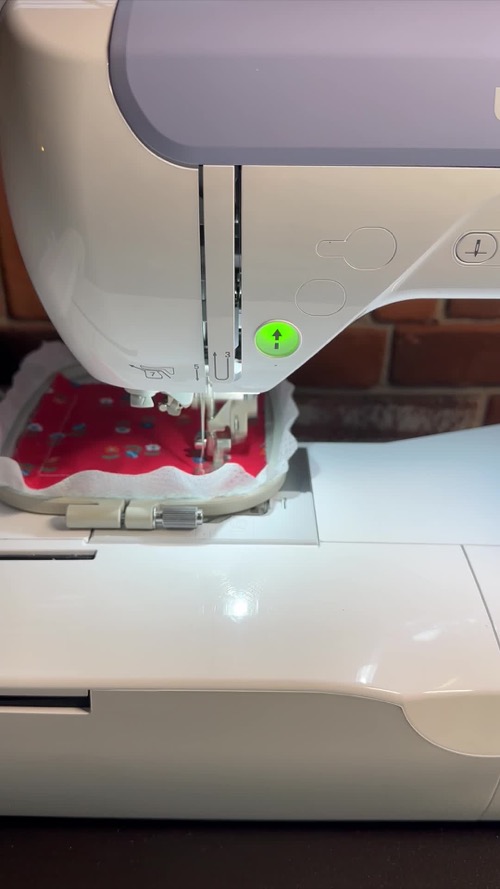
- Supplied customer media shows active hoop work and practical home-project scale.
Cons
- The PE900 cannot construct seams and still requires another machine for ordinary sewing.
- Owners report a learning curve around the automatic threader, bobbin case tension, stabilizer and thread selection.
- Some reviews mention missing accessories, incorrect region versions, damage or machines returned shortly after arrival.
- Multi-color designs still require manual spool changes because this is a single-needle machine.
Our Verdict
What the upgrade buys
The PE900 is worth choosing over a 4×4 model when a measured project list needs 5×7—not simply because 193 designs sounds larger.
Workflow gains
- More usable lettering and motif area.
- 650-spm embroidery with color sorting and jump-thread trimming.
- Wireless, USB and built-in routes to a design.
What remains manual
You still hoop and stabilize each project, change colors, manage thread and diagnose tension. The automatic tools reduce repetitive steps; they do not remove embroidery technique.
Recommendation
For a home embroiderer who knows 5×7 is enough, the PE900 has a persuasive feature-to-workflow balance. Test a built-in design immediately and verify every accessory and region setting before investing in extra hoops and software.
Frequently Asked Questions
Does the Brother PE900 sew regular stitches?
No. The PE900 is an embroidery-only machine.
What is its maximum embroidery area?
Brother publishes a 5 by 7 inch, or 130 by 180 mm, maximum field.
How fast does it embroider?
The maximum published embroidery speed is 650 stitches per minute.
Does it automatically change thread colors?
No. It is a single-needle machine, so the operator changes the spool for each color. Color Sort can reduce the number of changes.
What should be checked before keeping it?
Verify the region and accessories, connect wireless or USB transfer, and stitch a built-in 5×7-compatible sample while monitoring threader, tension, sensors and trimming.
Technical Specifications
| Machine class | Single-needle embroidery-only machine |
|---|---|
| Control type | 3.7-inch color touchscreen and start/stop controls |
| Primary functions | Programmed machine embroidery |
| Built-in stitches / applications | Embroidery only |
| Maximum sewing speed | 650 embroidery stitches per minute |
| Bobbin / looper system | Quick-set drop-in bobbin |
| Workspace right of needle | 7.4 inches |
| Included presser feet | 1 embroidery foot |
| Maximum embroidery area | 5 × 7 inches / 130 × 180 mm |
| Built-in embroidery designs | 193 |
| Needle threader | Advanced automatic |
| Warranty | Brother 1/2/25-year limited warranty |
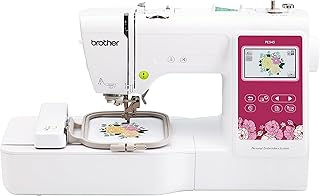
Brother PE545 Review: A Friendly 4×4 Embroidery Starting Point
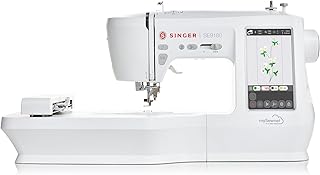
Singer SE9180 Review: Big-Screen Combo Convenience With Early-Control Risks
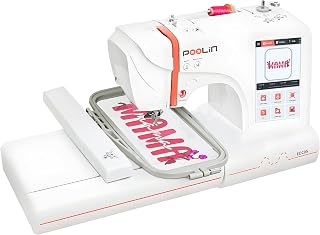
PooLin EOC05 Review: Beginner Embroidery Backed by Hands-On Support