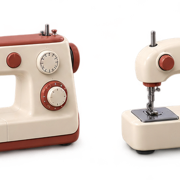
Flying Banana Model 202 Review: Battery Convenience with Setup Reservations
At a Glance
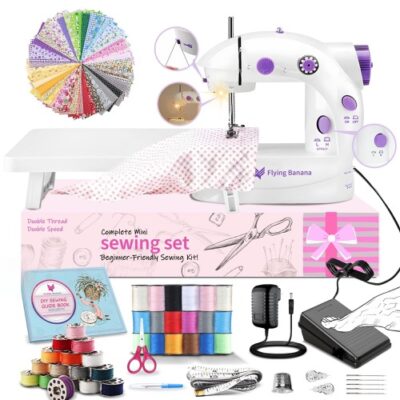
KEY FEATURES
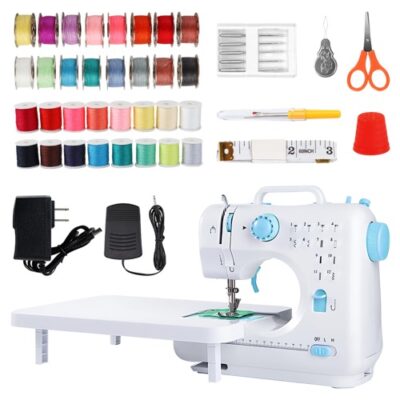
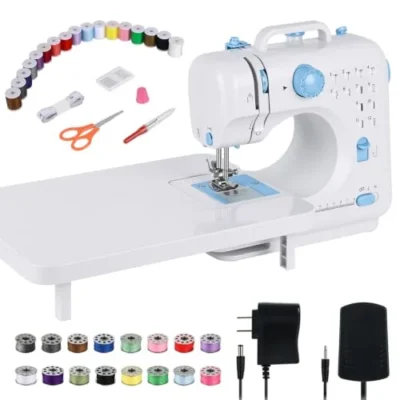
- Model 202 with extension table
- One stitch type in the seller description
- Two speeds and bobbin winding
- AA-battery or adapter operation
PROS
- Very small storage footprint
- Battery operation can serve an indoor power outage
- Listed table and starter tools
CONS
- Lower-bobbin setup frustrates some owners
- Short power and pedal cords reported
- Stalling, repeated rethreading and early failures
Editorial Rating
Based on supplied customer reviews and verified product documentation
Price and availability subject to change
One Flying Banana 202 owner describes sewing indoors during extended outages using batteries. That is a specific convenience worth evaluating. It does not tell us battery runtime, and it does not answer the main sewing complaint: restoring lower-thread pickup after the original setup stops working.
Battery use solves access to an outlet, not cord reach
A detailed owner account describes continuing to sew indoors during power outages. That supports the usefulness of a battery option, rather than a promise about runtime or every delivered unit. The seller identifies four AA batteries and an adapter arrangement; use the matching instructions for the exact machine.
Keep enough light to see the needle and fabric clearly. Do not turn an anecdote about improvised outage lighting into operating advice. The machine still needs normal visibility, support and control even when it does not need an outlet.
The lower bobbin is where several owners lose progress
This review uses seventeen selected accounts from the 100 supplied texts. One owner reports a successful shirt alteration. Others describe a machine that works at first but becomes difficult when the lower thread needs replacing. A clear result on factory threading is encouraging, but it is only the beginning of a usable routine.
Some buyers needed a family member’s sewing knowledge because the instructions were unclear. Other reports describe repeated binding in the lower compartment. Follow the matching diagram with power disconnected, and distinguish a missed setup step from a fault that persists after the correct procedure.
What belongs to the Model 202 package
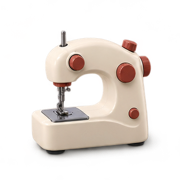
The B08FM4LMWR listing identifies “Model 202 with Extension Table” as the selected offer. It advertises two speeds, double thread and bobbin winding. Double thread describes the threading arrangement; it is not a claim that the machine has two needles.
A successful shirt alteration is a limited result
The selected feedback includes stalling on light material, frequent rethreading and a powered mechanism that stopped working. These are unverified accounts, without a common-cause or failure-rate finding. They do weigh against choosing this machine for an urgent garment repair or as the only route into a new hobby.
Read the mini-machine stitch troubleshooting guide for the distinction between setup and a fault. If the physical station remains awkward, use the mini versus full-size comparison to reconsider the format.
Customer photos
Pros & Cons Analysis
Based on supplied customer reviews and verified product documentation
Pros
- Battery operation has a concrete use case. An owner describes sewing indoors during extended power outages and taking the lightweight machine to a sewing group. That supports the value of an alternative power source, without establishing runtime. The listed table and basic tools provide a starting setup rather than proof that the machine can support large projects.
- Ordinary alterations are possible. One owner shortened a shirt successfully. It is a useful example of a limited task, and a better starting expectation than the seller’s broad language about large projects.
Cons
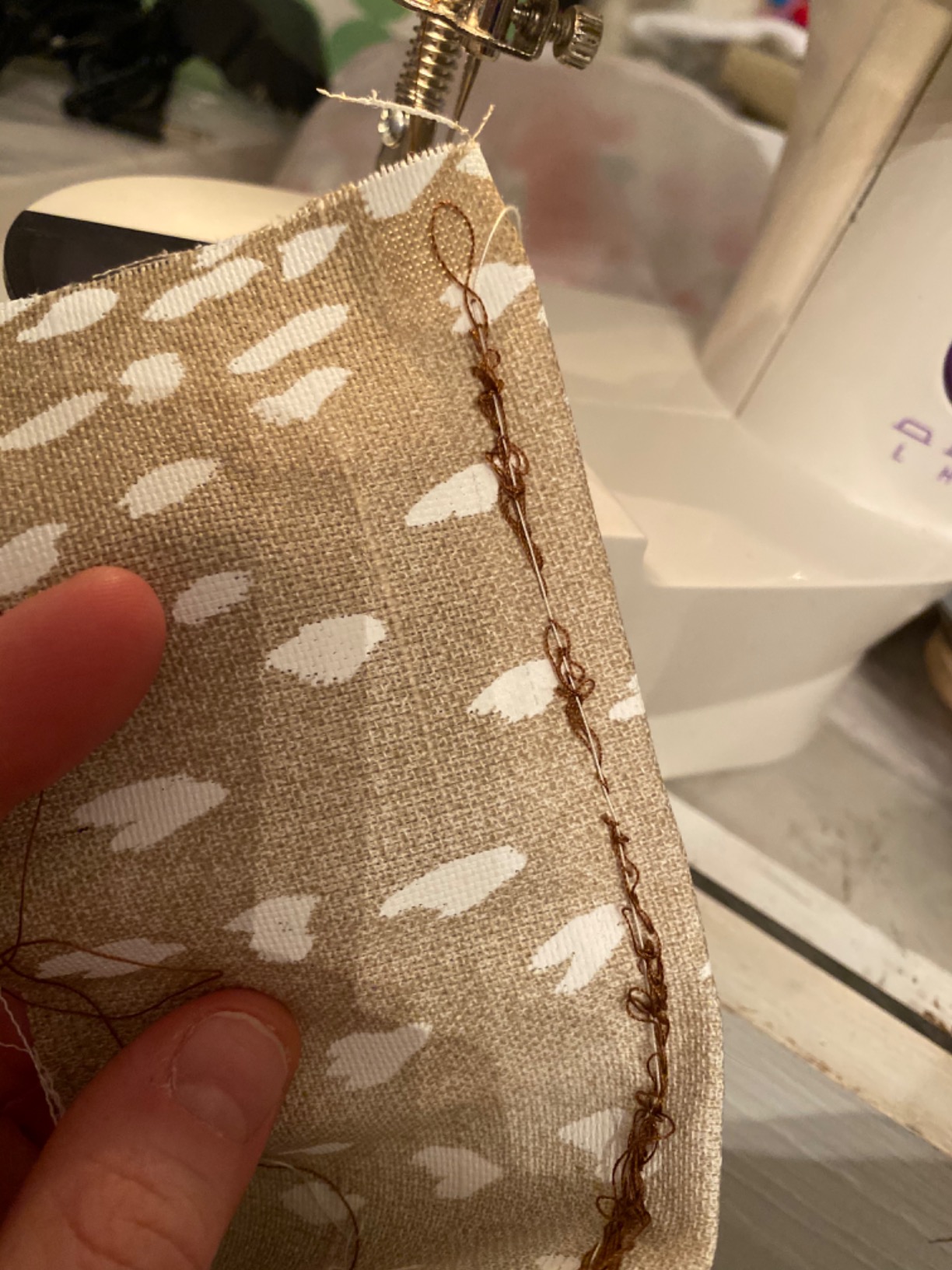
- The lower thread can halt progress. Selected accounts describe difficulty replacing the lower bobbin or making it connect with the upper thread. Tutorials and instructions did not resolve every case, even after an initially successful sample.
- Cord reach is part of usability. An owner could not comfortably reach an outlet or the floor from a normal table. Measure the intended arrangement rather than assuming the small body automatically creates a convenient sewing station.
- Failure reports narrow the recommendation. The sample includes stalling on light material, repeated thread loss and early loss of powered operation. Unexpected starting is also reported; it should be treated as an operating issue requiring investigation, not ignored as normal beginner difficulty.
Our Verdict
An occasional power-option purchase, with reservations
The battery account gives this model a clearer purpose than a broad promise of portability. At a normal table, however, the reported reach of the power and pedal leads can still determine whether it is comfortable to use.
Repeated loss of stitch formation and early-operation complaints make it a poor machine to rely on for a deadline. Choose around a modest straight seam and an understood setup, not the included table’s suggestion of a larger workspace.
Technical Specifications
| Primary functions | Occasional light sewing |
|---|---|
| Built-in stitches / applications | One stitch type, seller description |
| Speed control | Two speeds listed |
| Warranty | Confirm seller and regional coverage |