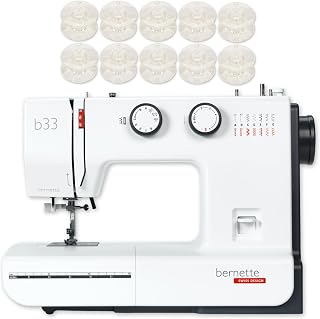
Singer 4432 Black Review: Useful Stitch Range, Mixed Thick-Seam Control
At a Glance
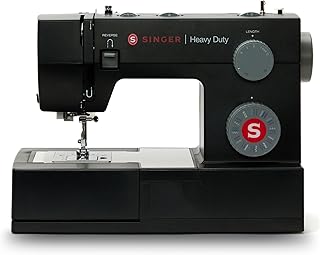
KEY FEATURES
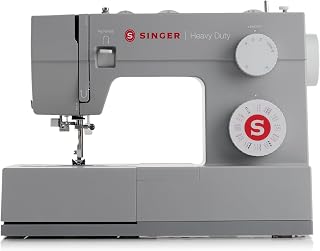
- 32 stitches and a one-step buttonhole
- 1,100-spm maximum with mechanical controls
- Adjustable foot pressure and top drop-in bobbin
- Black special-edition body
PROS
- Experienced owners report successful garment and mixed-fabric work
- The 32-stitch set favors practical utility over novelty
- Mechanical length, width and pressure adjustments are direct
CONS
- The needle threader and bobbin winding receive repeated criticism
- Bulky vinyl can exceed the machine’s practical control
- Some units arrive misadjusted or develop timing and tension problems
Editorial Rating
Based on supplied customer reviews and verified product documentation
Price and availability subject to change
The Singer 4432’s strongest argument is garment utility. An experienced customer finished a ball gown using double-faced satin, crinoline and sheer fabrics on the black edition. That is a useful example of changing settings across a project, not proof that the machine can force its way through any thick material.
The ball-gown account belongs to the black edition
The customer explicitly identifies the Black Special Edition, even though the same account appears in the gray offer’s review file. We treat it as evidence about that owner’s 4432 experience, not as a separate gray-machine test.
They valued the utility stitches, pressure adjustment and straightforward setting changes, but found the threader awkward and had difficulty winding a bobbin while leaving the machine threaded. Those reservations explain why an apparently simple mechanical machine still needs a workable preparation routine.
Utility stitches can complement a specialist machine
Another customer uses an industrial Juki as their main machine and wants the 4432 for zigzag and other domestic functions. They appreciate direct controls, yet find the combined power-and-pedal lead awkward at a tall table. That is a separate consideration from stitch quality: a suitable machine must also reach the operator comfortably.
The same customer speculates that feet from another machine might fit. Verify the exact attachment rather than treating that suggestion as a compatibility specification.
Where the thick-material promise breaks down
A newer user reports needing service after a particularly thick vinyl section. They also liked the accessible controls and found ordinary setup easy once learned. Keeping both observations avoids calling the machine either effortless for beginners or useless for domestic work.
The completed seam construction matters: a flat sample and a folded intersection ask different things of the feed and clearance. Do not force a resistant seam or use a successful garment report as permission for dense production work.
Gray, black or the 4452 package?
- Black B0C6W8XT6C: the offer retained on this page and the edition identified in the gown account.
- Gray B00JJ6L6PY: another 4432 offer; the finish does not establish a different stitch range or stronger feeding.
- 4452: compare its specialty accessories if those tools would be separate purchases. Do not assume a 4432 listing supplies them.
The 4432’s 32 built-in stitches are useful when your garments need that selection. If the extra patterns have no job, a simpler machine may cover the work; if gradual electronic speed limiting is essential, neither color establishes that feature.
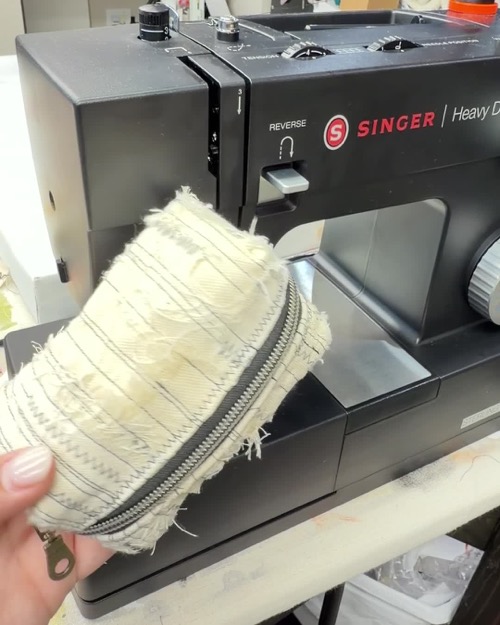
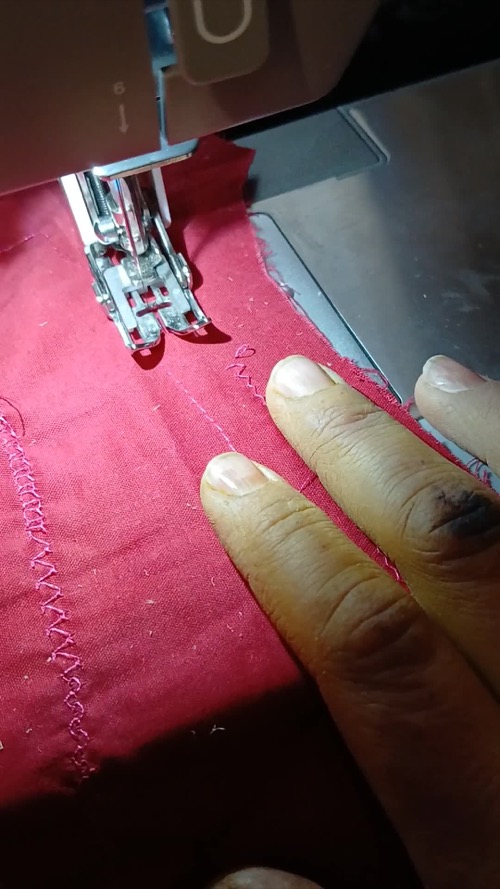
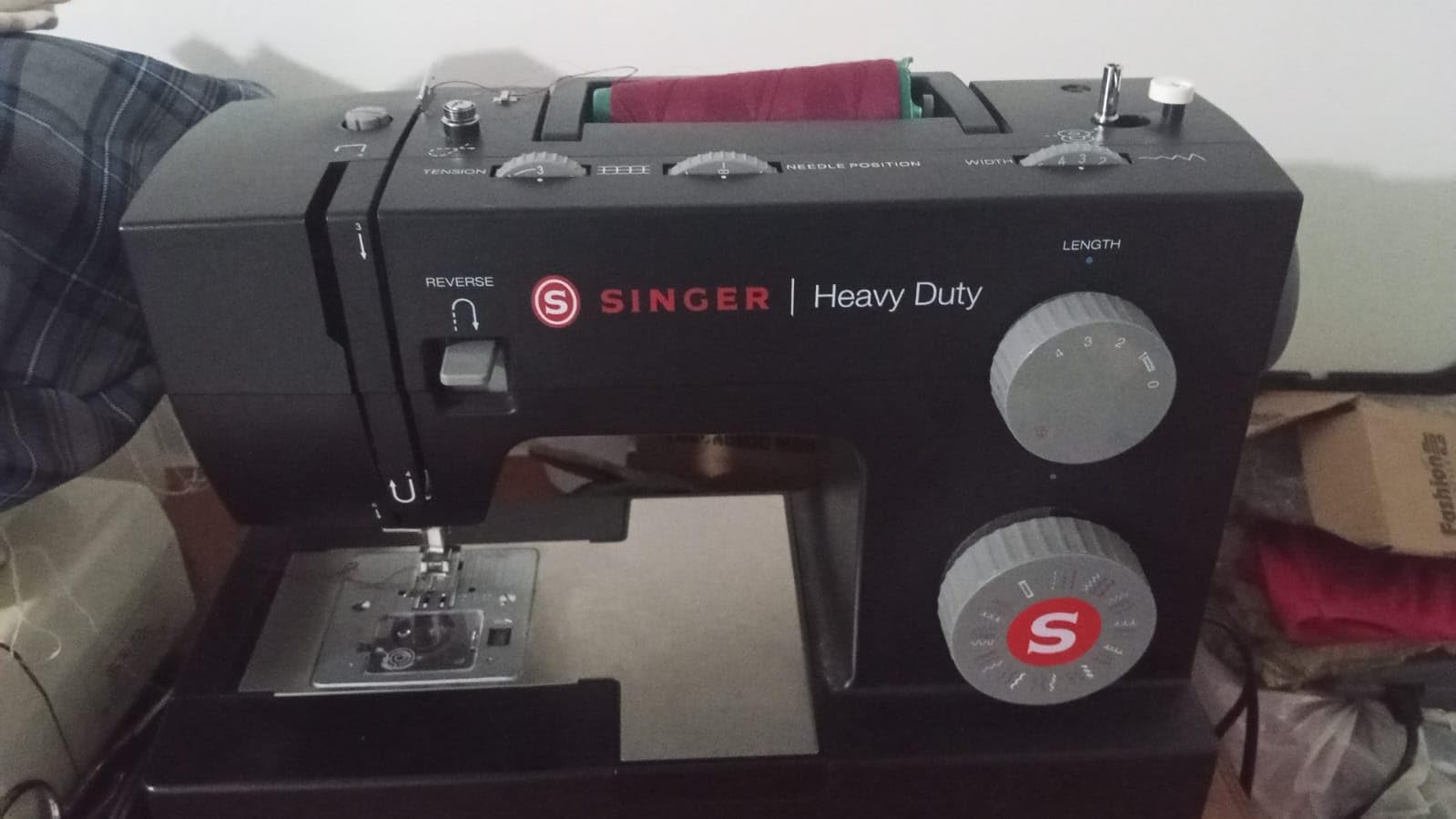
Customer photos
Pros & Cons Analysis
Based on supplied customer reviews and verified product documentation
Pros
- Garment versatility has a concrete example. An experienced owner finished a gown across satin, crinoline and sheer material using the Black Edition. Their successful adjustment of pressure and stitch settings supports garment work, without extending the result to dense industrial assemblies.
- It can complement a straight-stitch specialist. A customer with an industrial Juki wanted domestic zigzag and direct setting changes. This gives the utility stitch range a specific job rather than treating a larger pattern count as an advantage for everyone.
- Accessible controls remain useful after the learning stage. A novice who later needed service still appreciated easy-to-find controls and routine threading. Positive handling and a serious material-limit experience can coexist in one account.
Cons
- The threader and winding routine can interrupt a project. The gown maker reports an awkward threader and trouble winding while the machine stayed threaded. Use the documented routine; the experience does not establish that every unit needs the same workaround.
- Thick transitions are a real boundary. A customer reports service after a particularly thick vinyl section. The cause was not independently diagnosed, but it cautions against reading “heavy duty” as unlimited stack capacity.
- Pedal reach affects where it can be used. The industrial-machine owner found the lead too short for a tall table arrangement. A stable machine and useful stitches do not compensate for an uncomfortable operating position.
- Beginner instructions may need more attention. The novice account found the supplied guidance difficult to navigate for unfamiliar stitches. A visible stitch dial is not the same as knowing which settings a new technique requires.
Our Verdict
Choose the stitch range for garment work
The 4432 is a credible mechanical garment and repair choice when its utility patterns and direct adjustments match your work. The gown account is a meaningful success with specific setup reservations, not a promise about every fabric stack.
Compare gray and black by the actual package and preferred finish. Check pedal reach at your table and learn the documented winding routine. Choose the 4452 only when its additional tools address a real need; a color change does not address thick-seam or speed-control limits.
Frequently Asked Questions
How many stitches does the Singer 4432 Black have?
It has 32 built-in stitches and a one-step buttonhole. Singer also describes 110 stitch applications, which are techniques rather than separate patterns.
Is the black 4432 mechanically different from the gray model?
The black version is a special edition within the same 4432 family. Verify the live accessory bundle, because color and bundle packaging do not establish a different feed mechanism.
Can it sew very thick vinyl?
Some owners sew vinyl successfully, while another reports a service visit after forcing a particularly thick section. Use an appropriate needle, level the foot and test the exact stack.
Does it have electronic speed control?
No. Speed is controlled by the foot pedal, with a published maximum of 1,100 stitches per minute.
What should I test first?
Wind a bobbin, use the needle threader, sew straight and zigzag stitches, cross a realistic seam hump and make a full buttonhole before the return window closes.
Technical Specifications
| Machine class | High-speed domestic mechanical sewing machine |
|---|---|
| Control type | Mechanical dials and foot control |
| Primary functions | Garments, repairs and home décor |
| Built-in stitches / applications | 32 stitches / 110 applications |
| Maximum sewing speed | 1,100 stitches per minute |
| Speed control | Foot control; no electronic limiter |
| Maximum stitch length | 4 mm |
| Maximum stitch width | 6 mm |
| Needle stop up/down | No |
| Needle threader | Built in |
| Bobbin / looper system | Top drop-in Singer Class 15 transparent bobbin |
| Workspace right of needle | 6.25 inches |
| Included presser feet | General-purpose, zipper, buttonhole and button-sewing feet; bundle extras vary |
| Buttonholes / eyelets | 1 one-step buttonhole |
| Extension table | Optional |
Janome MOD-15 Review: Quiet Mechanical Basics for First Projects

Singer MX231 Review: More Adjustment, Still a Setup Learning Curve
Singer 4452 Review: The Accessory Bundle Is the Real Upgrade