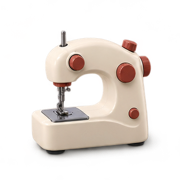
CraftBud Mini Sewing Machine Review: Kit Appeal vs. Machine Quality
At a Glance
KEY FEATURES
- Compact tabletop machine with high/low speed selection
- Foot pedal, extension table and built-in light
- Large bundled sewing and craft kit
- Single basic straight-stitch function in the supplied owner record
PROS
- Children and beginners who receive a working unit enjoy small first projects
- The compact size, table and included craft supplies create an inviting gift
- Positive owners describe quick setup and simple straight sewing
CONS
- Jamming, thread breaks and bobbin pickup failures recur frequently
- No reverse stitch means seam ends require another securing method
- Missing parts, short pedal cord and early breakdowns reduce teaching value
Editorial Rating
Based on supplied customer reviews and verified product documentation
Price and availability subject to change
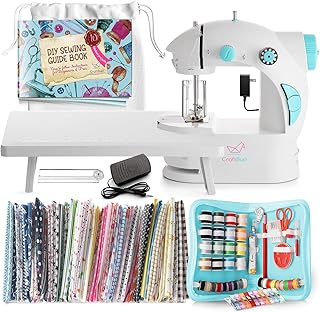
The CraftBud mini sewing-machine bundle is designed to win the gift-opening moment: a small machine, extension table, pedal, fabric, thread and a large assortment of tools arrive together. The harder question is whether the machine can keep a beginner sewing after that moment. One hundred supplied owner reviews give a sharply mixed answer.
The accessory count is not the machine specification
Thread, fabric pieces, scissors and project materials can make a first session easier, but they do not improve feed, bobbin timing or motor control. Positive owners describe children making toys, sleeping bags, curtains and class assignments. Negative owners often praise the bundle before explaining that the machine jammed or stopped picking up bobbin thread.
Everything looks ready
The packed supplies reduce the need to shop for a first simple project.
Troubleshooting dominates
Recurring jams and rethreading can make a child associate sewing with machine failure.
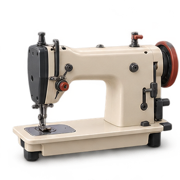
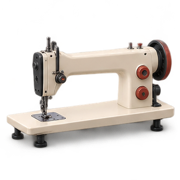
A basic full-size machine
Reverse, standard parts and clearer service paths teach more transferable skills.
Successful projects are real—and so are the failures
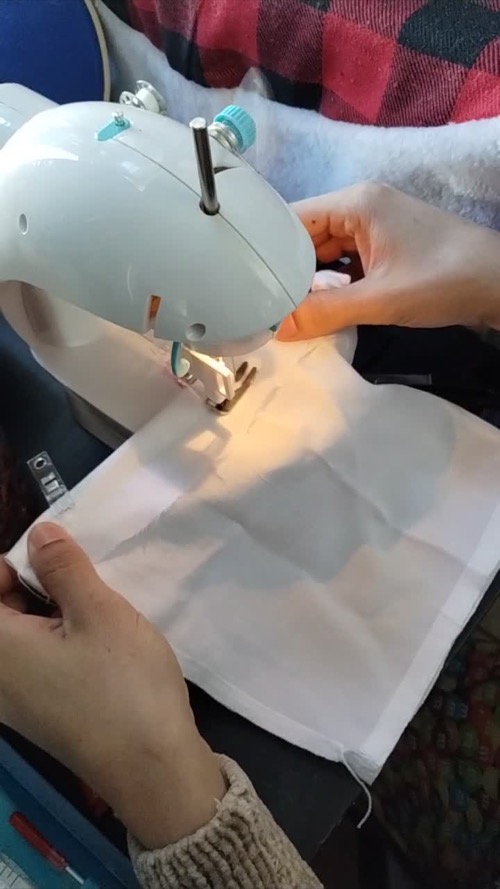
Some families report months of use and enthusiastic children. Others describe thread breaking, the lower thread failing to catch, bobbin assemblies that cannot be rewound or released, and machines that quit after a day or several projects. The sample cannot produce a reliable failure percentage, but the repetition is too strong to dismiss as one unusual unit.
No reverse changes every seam
Several experienced owners object to the lack of reverse because backstitching is the normal way beginners secure many seam ends. Ends may instead need long tails tied by hand or another suitable finishing method. That extra step is teachable, but it makes the machine less representative of ordinary domestic sewing.
- Open the gift early while return rights remain active.
- Inventory the machine parts separately from the craft supplies.
- Wind a fresh bobbin and confirm the upper thread catches it consistently.
- Sew ten straight test seams at both speeds on stable woven cotton.
- Teach seam-end security before making a project that will be handled.
Who can still make it work?
A supervised child who wants an occasional craft may enjoy a correctly functioning unit, especially if an experienced adult can thread and recover it. A learner expecting independent practice, repairs or garment construction needs a more standard machine. The best protection is not another accessory: it is immediate testing and a return path.
A first sewing lesson should teach fabric control, not machine rescue
Adult supervision should begin with safe needle handling, keeping fingers outside the needle area and stopping before pulling stuck fabric. If the machine jams, the learner should not be asked to force the handwheel or pull the project backward. Power it off and let an experienced adult follow the manual. Repeated rescue attempts are a sign to use the return path, not a normal rite of passage.
A useful progression is one straight line on paper, then two pieces of stable cotton, then a small open project such as a pouch or doll blanket. If the CraftBud cannot repeat those steps without losing the lower thread or tangling, extra fabric and decorative supplies do not make it suitable for instruction. Reliability is itself a beginner feature.
Pros & Cons Analysis
Based on supplied customer reviews and verified product documentation
Pros
- Positive accounts include children making toys, sleeping bags, curtains and class projects.
- The bundled fabric, thread and tools can lower the friction of choosing a first activity.
- Small size and simple controls are less intimidating than a full computerized machine.
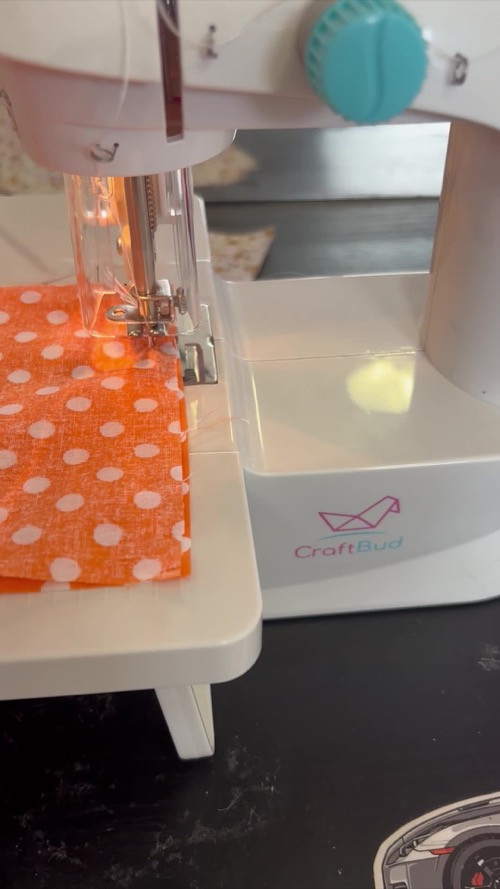
- Customer media shows the intended hand-guided tabletop workflow.
Cons
- The review pool repeatedly describes jams, broken thread, bobbin trouble and machines that stopped after days or months.
- Owners criticize the lack of reverse, leaving seams vulnerable unless ends are secured manually.
- Several adults with sewing experience found threading and recovery unusually frustrating for a child-focused product.
- Accessory quantity can distract from weak machine quality, missing pieces and limited support.
Our Verdict
Bottom line
The CraftBud bundle looks like a complete introduction to sewing, but the supplied owner record is too inconsistent to recommend it as a dependable first machine.
When it succeeds
Children have completed small toys, doll items, curtains and school projects with adult help, and the included supplies make opening the box exciting.
Why the risk matters
- Jamming and bobbin pickup trouble can teach frustration instead of technique.
- No reverse requires manual seam-end planning.
- Gifts opened after the return window leave little remedy for a dead unit.
Recommendation
If purchased, open and test it immediately with an experienced adult. For a child who wants to learn rather than play occasionally, a basic full-size mechanical model is the safer long-term teaching tool.
Frequently Asked Questions
Is the CraftBud mini machine a toy?
It is sold as a functioning beginner machine, but many supplied owners describe toy-like construction and limited durability. Adult supervision and realistic expectations are important.
Does it sew in reverse?
The supplied owner feedback repeatedly says it lacks reverse. Seam ends therefore need another securing method.
Is it appropriate for an eight-year-old?
Some eight- to eleven-year-old users enjoyed successful projects, while other families encountered jams and failures. An experienced adult should set up and supervise the machine.
What should be tested before gifting it?
Open it within the return window, wind and install a bobbin, sew and secure several seams, test both speeds and the pedal, and inventory every promised part.
Can it handle thick fabric?
The supplied evidence does not justify denim, upholstery or bulky-seam claims. Keep the first tests to stable, light woven fabric.
Technical Specifications
| Machine class | Compact tabletop beginner sewing machine |
|---|---|
| Control type | High/low switch and foot pedal |
| Primary functions | Small crafts, doll items and supervised beginner projects |
| Built-in stitches / applications | 1 basic straight-stitch function supported by the supplied owner evidence |
| Speed control | High/low switch plus foot pedal |
| Needle stop up/down | No |
| Bobbin / looper system | Top and lower thread; exact mechanism not published |
| Included presser feet | 1 fixed/basic foot in the reviewed bundle |
| Buttonholes / eyelets | None |
| Extension table | Included |
| Needle threader | Manual |
| Free arm | No |
| Power / market voltage | Adapter and/or battery operation shown in listing family; verify exact package |
| Warranty | Not published in supplied data |
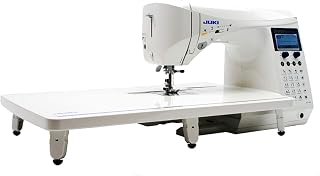
Juki HZL-F600 Review: Box-Feed Precision With a Serious Learning Curve
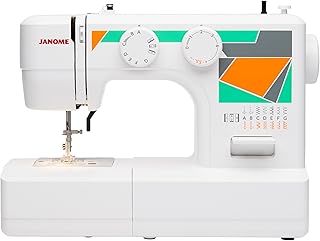
Janome MOD-15 Review: Quiet Mechanical Basics for First Projects
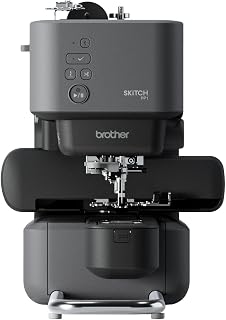
Brother Skitch PP1 Review: App-First Embroidery With Tradeoffs