Ausarox 153-Piece Kit Review: Organized Mending Supplies with a Small Handheld
At a Glance
KEY FEATURES
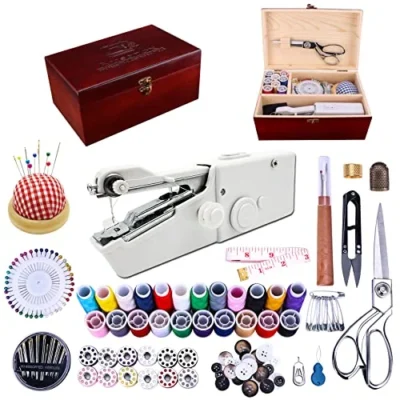
- Wooden storage case
- 153-piece sewing-kit offer
- Threads, needles, buttons and hand tools
- Small handheld machine included
PROS
- Wooden case keeps basic mending supplies together
- Owners describe small seam and household repairs
- Light handheld is comfortable for some users
CONS
- Seam endings still need a manual finishing routine
- A thick-sweater failure limits broader fabric claims
- Technical and long-term evidence remains limited
Editorial Rating
Based on supplied customer reviews and verified product documentation
Price and availability subject to change
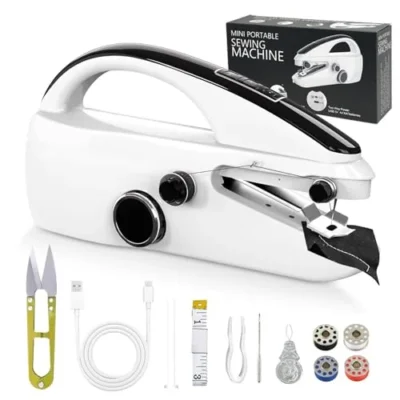
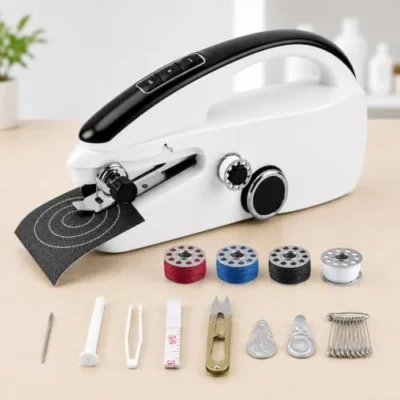
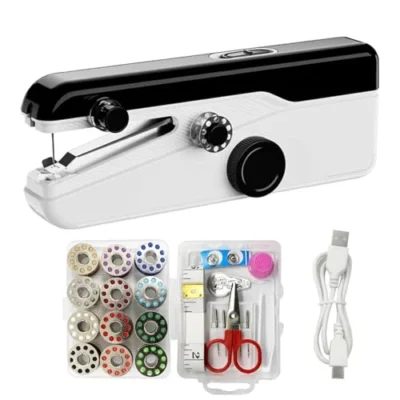
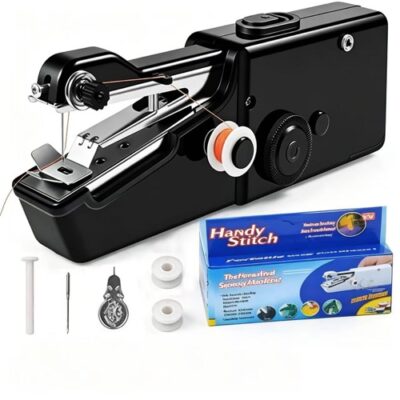
The wooden box is central to the Ausarox offer. Customers like having thread, needles, buttons and small tools organized together, with a handheld machine included for short seams. That makes it a household mending kit first. The153-piece total should not be read as153 sewing functions or proof that its machine is more capable than a smaller bundle.
Some repairs use the hand tools, not the motor
Owners appreciate finding the right thread, a needle or scissors without searching through drawers. The kit can remain useful for a loose button even when a handheld machine is not the appropriate tool. Customer references to button repairs are therefore not treated as evidence that the machine automatically sews buttons.
Why the box matters
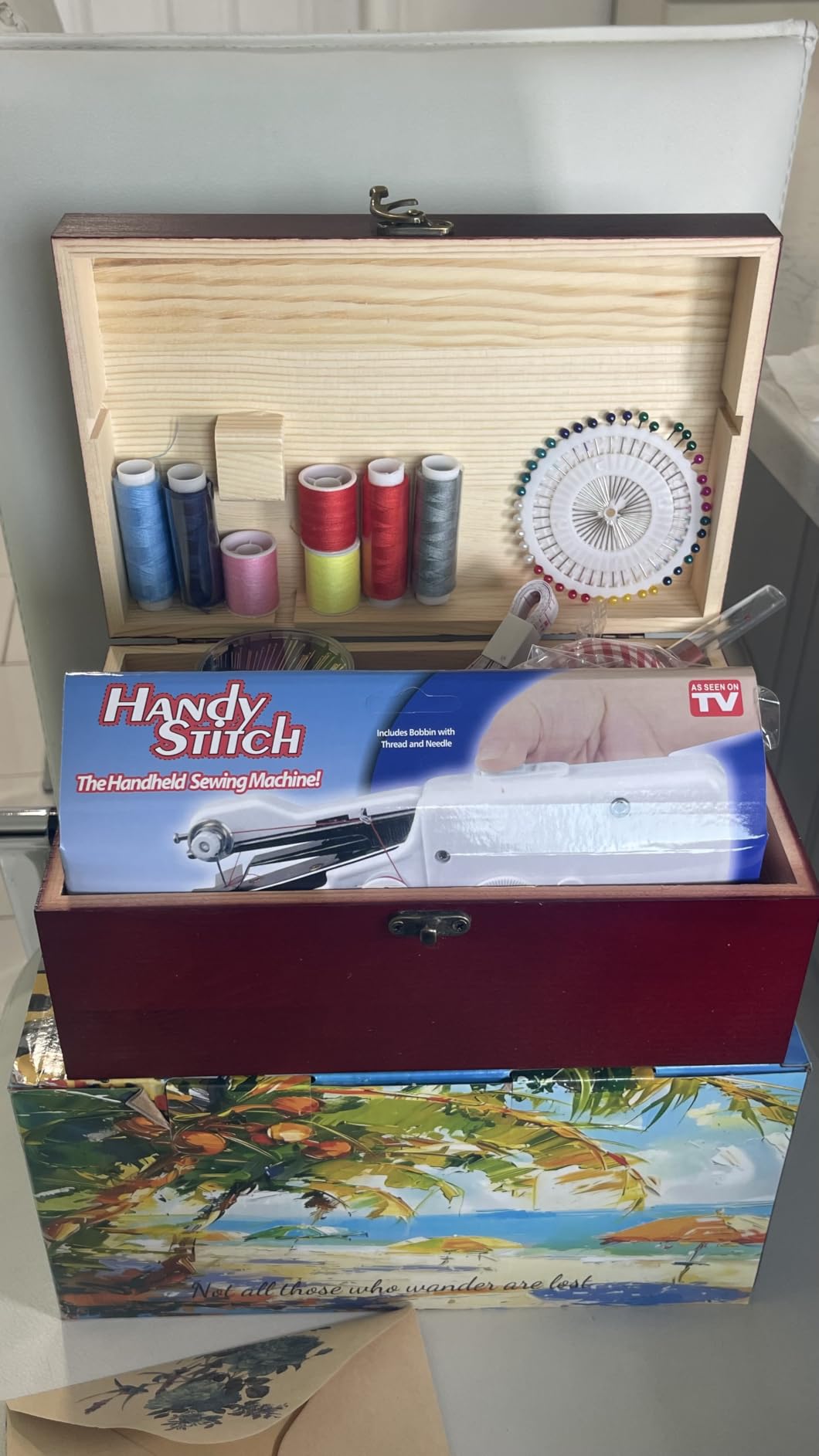
The case gives small supplies a dedicated place and can sit on a shelf. Buyers repeatedly value that organization and presentation.
What the machine adds
Accounts describe trouser-seam and cushion-cover repairs, plus small pet-clothing work. Those are the relevant reasons to consider the powered tool within the kit.
Finishing the thread is not optional
Several owners specifically mention manually securing the thread at the seam end. That is a material part of their routine, not just an accessory detail. Obtain the exact instructions for the supplied mechanism before relying on a repair; a visually similar handheld can use a different stitch arrangement.
The threading and seam-check guide explains why a motor running and a line of needle holes do not establish a finished seam.
A sweater failure qualifies the successful fabric examples
One detailed customer reports satisfactory cotton and denim samples but could not sew a thick winter sweater. That contrast is useful: a flat sample and a bulky item are different jobs. A fleece-pet-clothing success elsewhere does not establish a universal thickness limit.
Choose organization because you need it
A buyer who already owns good scissors, thread and needles may gain little from another large supply kit. Someone starting from a loose collection of mending tools may appreciate it much more. Judge the contents you will use and where the box will live, rather than ranking machines by piece count.
What does the early positive feedback prove?
It supports satisfaction with the package and some small repairs. Similar general praise does not establish independent long-term durability evidence, and the kit’s attractive presentation is not a test of its motor or stitch system.
Pros & Cons Analysis
Based on supplied customer reviews and verified product documentation
Pros
- Organization is the clearest benefit: owners value having thread, needles and tools in one case. That can be useful even for repairs best done by hand.
- The machine has completed small jobs: trouser and cushion-cover seams provide concrete use examples. They support light mending rather than a general garment-making replacement.
- Comfortable for short work: users describe the tool as easy to hold and move to a small repair. This does not establish comfortable control of a large or heavy item.
Cons
- The seam needs finishing: multiple accounts mention securing the thread manually. A user who expects the machine to complete that step automatically may find the routine less convenient than anticipated.
- Bulk changes what it can do: a detailed owner’s winter-sweater failure sits alongside successful flat samples. Do not choose this kit specifically to tackle thick coats or dense folds.
- The package is better established than durability: the supplied evidence says much more about organization and early repairs than extended service. An attractive box is not a reliability advantage.
Our Verdict
Buy it as a mending station, not a machine upgrade
Ausarox makes the most sense when you need an organized collection of basic supplies and will use both hand sewing and a small handheld. The wooden case is a meaningful distinction for that buyer.
- Already equipped? Compare the machine itself; duplicated tools may add little.
- Starting a household repair kit? The storage and supplies may be useful, provided you accept the seam-finishing routine and light-work limit.
Neither153 pieces nor successful flat denim samples establish a stronger machine for bulky repairs.
About the editorial rating
Editorial assessment, not an Amazon customer average or a hands-on test. Organization and actual small repairs earn credit; manual finishing, a bulky-fabric failure and limited service evidence qualify the machine recommendation.
Frequently Asked Questions
Does153 pieces mean153 stitches?
No. It is the kit’s advertised item count, including supplies and tools.
Can the machine sew buttons automatically?
That is not established. The kit contains hand-sewing tools and buttons; customer button-repair comments do not prove a machine function.
Does the seam need tying off?
Several supplied owners say they secure the thread manually. Follow the exact instructions for the included mechanism.
Are the listed dimensions for the machine or the box?
That distinction has not been resolved, so the box-sized catalog measurements are not presented as handheld dimensions.
Technical Specifications
| Machine class | Handheld machine within a household sewing kit |
|---|---|
| Exact model | White handheld with wooden 153-piece kit, ASIN B0HCN2JXDG |
| Dimensions | Machine-only measurements unresolved; catalog may describe kit |
| Built-in stitches / applications | Exact stitch construction unverified; owners describe manual seam-end securing |
| Power / market voltage | Adapter/battery use described by owners; exact supplied electrical specification unverified |
| Primary functions | Light mending plus separate hand-sewing tasks using the kit |