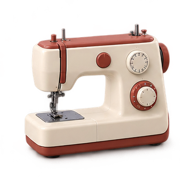
Singer M3500 Review: Portable Simplicity With Timing and Jam Warnings
At a Glance
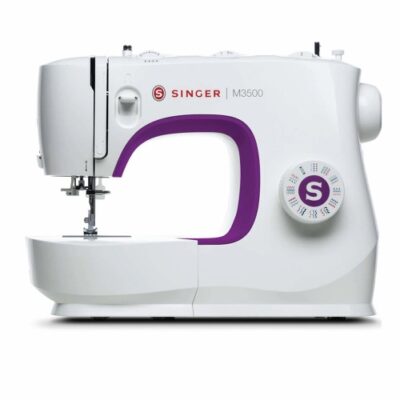
KEY FEATURES
- 32 built-in stitches
- 1-step buttonhole
- 5.7 in right-side workspace
- 4 included feet
PROS
- Direct stitch selection and a one-step buttonhole keep basic sewing approachable
- The built-in threader and free arm support frequent household tasks
- Its compact body is easy to move to a class or shared table
- Positive owners describe useful results for repairs, crafts, and beginner garments
CONS
- Timing, jamming, needle breaking, and thread nesting appear repeatedly in negative owner reports
- The built-in threader fails or frustrates some users
- Light weight and small feet can reduce stability on a smooth or flexible table
- Plastic-heavy construction disappoints buyers expecting a heavy-duty feel
Editorial Rating
Based on supplied customer reviews and verified product documentation
Price and availability subject to change
The M3500 makes sense to examine for a small list of household seams. The question is whether its light format and familiar controls stay convenient after the first project. The supplied evidence includes easy initial operation followed by persistent jamming, so first impressions alone are a poor endpoint.
After the first successful project
Positive owners find the M3500 easy, useful, and portable. The negative group is specific: threader failures, jams, broken needles, timing trouble, and replacement units. Those signals are too concrete to dismiss as generic beginner confusion.
They also do not prove that most M3500 machines fail. They tell the buyer where to spend the first week: thread path, hook timing, reverse, buttonhole cycle, pedal control, and a realistic seam intersection.
A service visit is not the same as a lasting resolution
One experienced owner describes only a few usable seams after service before trouble returned. Another disliked the effort of the handwheel and reverse control. The reports do not establish one common cause, but both concern continuing to use the machine rather than simply unpacking it. A buyer choosing it for occasional repairs needs a routine that can be resumed reliably after time away, not just a quick initial sample.
Bobbin access, reverse and the small repeated movements
A front-loading Class 15 bobbin uses a removable case and a defined thread path. Several supplied complaints describe jams or nesting, problems that can arise from setup or from a faulty machine. Reinsert the case from the manual rather than guessing from feel.
If a clean rethread with the correct bobbin and new needle still produces repeated tangles, stop. Do not force fabric through an early timing or hook problem during the return period.
- Wind a smooth Class 15 bobbin
- Insert it into the removable case in the documented direction
- Seat the case fully
- Hold both thread tails and test straight stitch on cotton
The household brief that fits this body
Singer positions the M3500 around 32 stitches and 110 applications, with a one-step buttonhole, free arm, LED light, and four feet. That is a practical household set for hems, repairs, crafts, and uncomplicated garments.
Its compact format and 5.7-inch throat favor storage and portability over bulk control. Set it on a rigid surface and keep cords from pulling the light chassis sideways.
The M3500 makes sense when a light, straightforward machine will be used on ordinary fabric and stored between sessions. A built-in threader and one-step buttonhole offer more convenience than the most basic mechanical starters.
Move up when the project list includes frequent denim seam humps, large quilts, demanding bags, or a need for electronic speed limiting. Portability is valuable only if it does not conflict with the work.
- Test the threader repeatedly
- Sew forward and reverse without tangles
- Complete a buttonhole around a real button
- Cross the thickest planned seam slowly
- Confirm the machine stays stable on its intended table
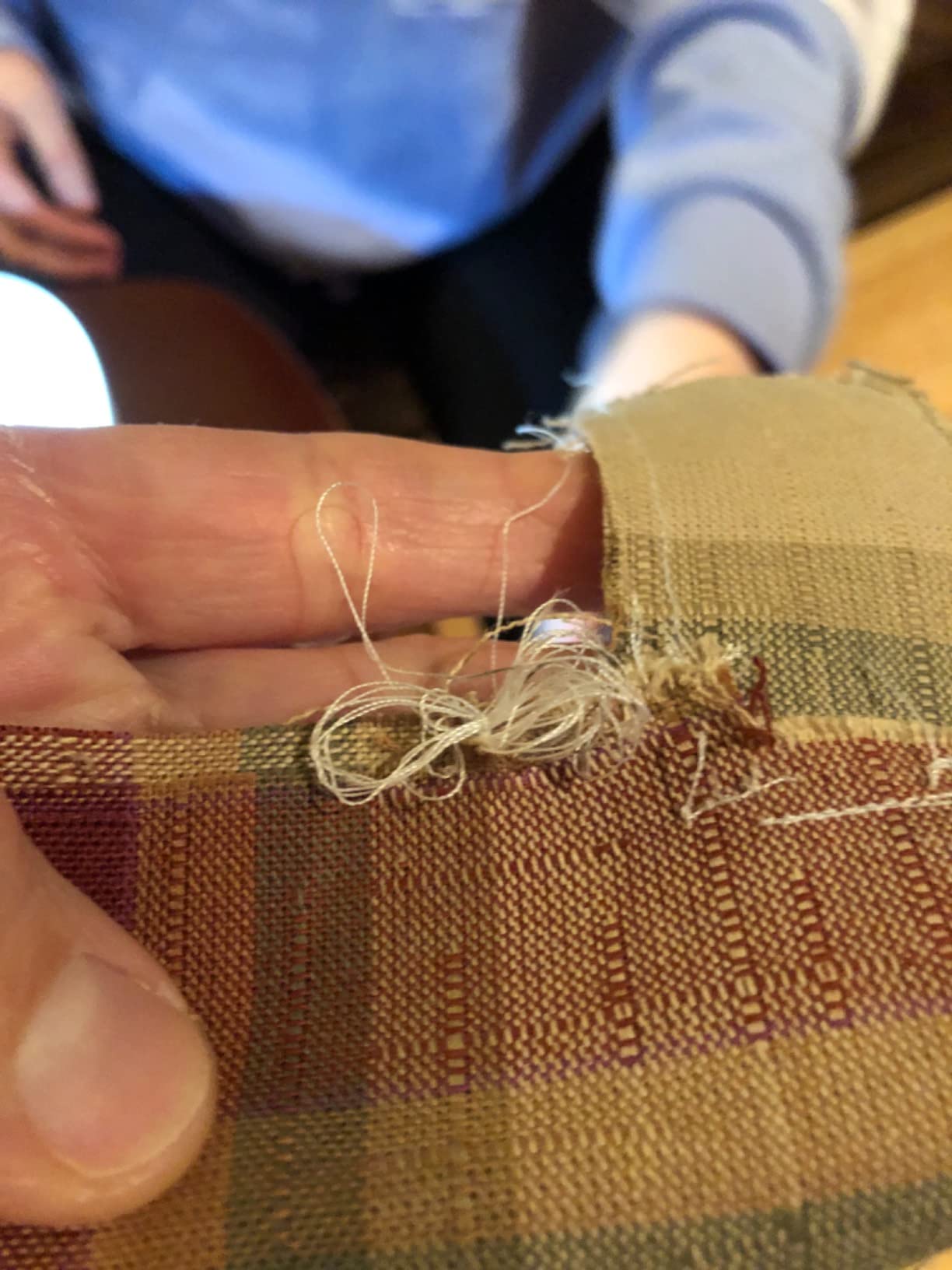
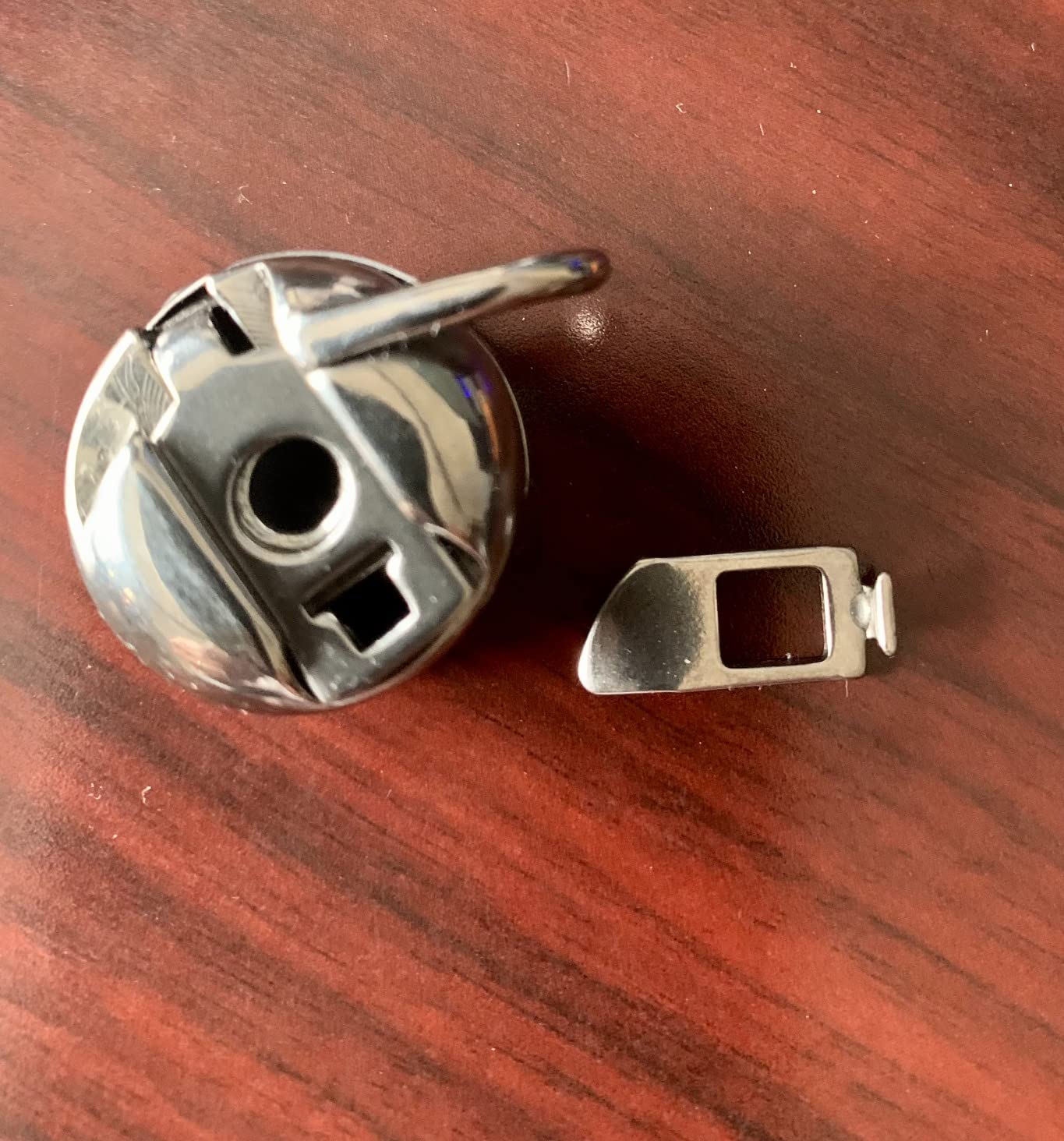
Customer photos
Pros & Cons Analysis
Based on supplied customer reviews and verified product documentation
Pros
- Ordinary controls can be quick to understand. Even an owner who later rejected the machine found initial operation straightforward. This supports the simplicity of the interface while showing why ease of setup and dependable sewing are separate judgments.
- A movable household machine has a clear use case. The free arm, compact body and built-in threader target repairs and beginner garments. These are useful conveniences when they work comfortably, rather than evidence of heavy-duty construction.
Cons
- Repeated jams can erase the initial convenience. An experienced owner described sewing only a few seams after service before jamming returned. That account deserves more weight than a vague warning that threading sometimes takes practice.
- Physical controls can be awkward. Another buyer disliked bobbin access, a stiff handwheel and the effort needed at the reverse lever. A simple feature list does not capture how those repeated hand movements feel.
- Threader and build impressions are mixed. Some owners struggle with the threader or expect a heavier body. Evaluate visibility and table stability for the intended user rather than treating low weight as an unqualified benefit.
Our Verdict
What earns the recommendation
The M3500 is appealing as a portable household starter, but its exact review evidence makes a mechanical acceptance test unusually important.
Choose it for light garments, repairs, and a compact mechanical workflow.
The limit to accept before buying
Choose a sturdier or computerized model for thick repeated seams, large work, or electronic speed limiting.
- Learn the front bobbin from the manual
- Treat repeat jams and needle strikes as a return issue
- Test stability on the actual table
Final buying guidance
The supplied exact-product evidence contains 100 owner texts. It supports the recurring strengths and specific cautions described here, but it is not a controlled failure-rate sample. Confirm the exact seller bundle, warranty eligibility, and return terms, then complete the model-specific arrival checks before the remedy window closes.
Frequently Asked Questions
What is the Singer M3500 best for?
Light household sewing, mending, classes, and first garment projects where portability matters.
What is the main reason not to buy it?
You expect a planted heavy-duty chassis, electronic speed control, or repeated work on difficult thick seams.
Which specification matters most?
32 built-in stitches is the clearest model-level comparison point.
What should I test immediately after delivery?
Complete the threading and bobbin sequence from the exact manual, then test the controls and project conditions highlighted in this review before the return period closes.
How much owner evidence was reviewed?
The supplied exact-ASIN set contains 100 owner-review texts. It supports product-specific patterns and cautions, not a statistical failure rate.
Technical Specifications
| Machine class | Lightweight mechanical domestic sewing machine |
|---|---|
| Control type | Mechanical dials and foot control |
| Primary functions | Mending, crafts, household sewing, and beginner garments |
| Built-in stitches / applications | 32 built-in stitches / 110 applications |
| Maximum sewing speed | Not published on official page reviewed |
| Speed control | Foot control only |
| Maximum stitch length | Adjustable; exact maximum not published |
| Maximum stitch width | Preset by stitch selection / not separately adjustable |
| Needle stop up/down | No |
| Needle threader | Built in |
| Thread cutter | Manual thread cutter |
| Bobbin / looper system | Front-loading Class 15 bobbin |
FEIYUE FYe392 Review: Mechanical Power With Useful Speed Control
Singer 4432 Black Review: Useful Stitch Range, Mixed Thick-Seam Control