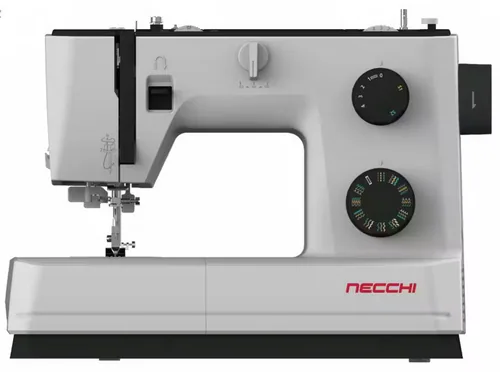
The Q132A’s motor strength is only part of its buying case. The more useful question is whether it forms a satisfactory seam in the material you intend to sew, with enough room to handle the work.
Penetration and a balanced seam are different
On the Q132A merchant review page, Peter Gibbons reports that the machine penetrated his outdoor fabrics but struggled with thread tension on pack cloth. He kept it for lighter work. This is a specific limitation in his experience, not a diagnosis of every Q132A.
Robertha Hernandez reports using several Q132As for teaching and likes their operation. Her two entries are one owner’s feedback, not two independent endorsements. Other positive reports describe stitch appearance and smooth running; they do not cancel the pack-cloth concern.
Make use of adjustment without expecting a cure-all
Necchi documents adjustable foot pressure, stitch length, needle position and width up to 6mm. The 32-stitch selection includes a one-step buttonhole, and the listed maximum speed is 1,000 stitches per minute.
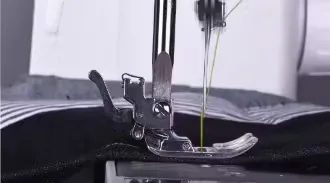
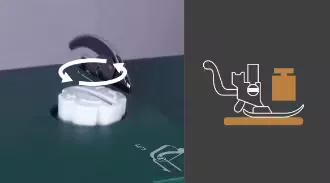
- Foot pressure: gives you a setting to adapt feeding. It cannot guarantee that needles will never break or thin fabric will never pucker.
- One-step buttonhole: is a useful garment feature; practise with the intended fabric and interfacing before sewing the garment.
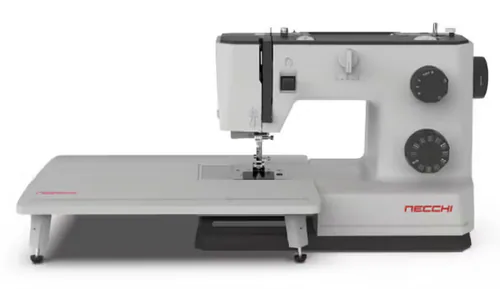
- Extension table: supports material outside the machine. It does not increase throat space.
Compactness has a cost in working room
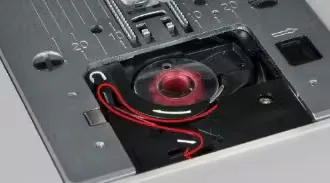
Linda Neely likes the compact, smooth-running machine but wants more throat room. Abby Ausherman finds correct bobbin placement tricky. These concerns affect different tasks: moving a bulky project and preparing to sew.
How much weight to give early praise
P2 had used the machine only several times. Grisel’s entry is explicitly titled as a survey before use, and Denise says she had not used hers. Those reports should not become long-term performance evidence. A repeated brand purchase also does not transfer an older machine’s lifespan to this model.
Pros & Cons Analysis
Advantages
- Positive sewing experiences: Several accounts describe satisfactory stitching and smooth operation. That gives a reason to investigate the Q132A for ordinary sewing, while keeping material-specific counter-evidence visible.
- Mechanical adjustment options: The documented pressure and stitch controls offer ways to configure a seam. They suit someone willing to learn settings rather than expecting the motor to solve every sewing problem.
Limitations
- Pack-cloth tension concern: Peter’s account separates getting the needle through from achieving balanced tension. Do not choose this model for demanding outdoor work solely on motor speed.
- Limited room for bulk: Linda’s workspace reservation matters when large material must pass through the throat. The included table cannot remove that constraint.
- Bobbin setup can take attention: Abby’s placement difficulty is a preparation issue worth considering. Follow the model’s threading instructions rather than assuming a drop-in system needs no practice.
Product illustrations
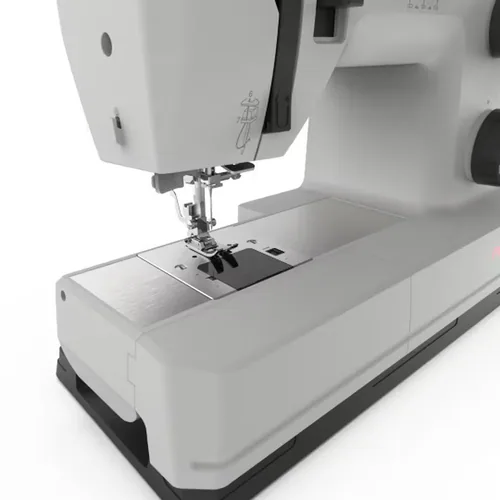
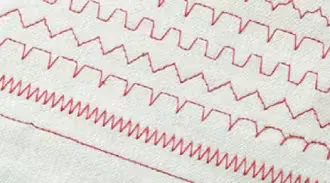
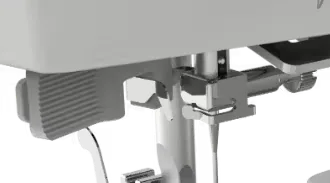

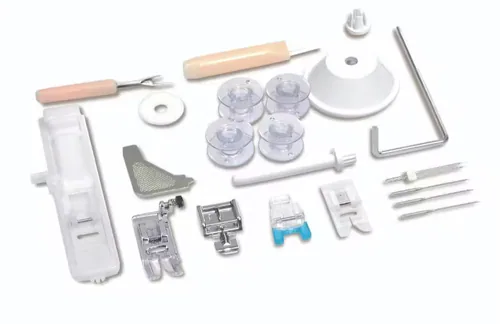

Model and series video references
Our Verdict
Choose by the seam, not the speed rating
The Q132A merits consideration for mechanical garment and household sewing. For pack cloth or bulky projects, resolve seam quality and working-room needs before choosing it. The owner reports support a conditional recommendation, not unrestricted heavy-duty capability.