The Encore 260A’s owner evidence is mixed in ways that matter more than its advertised stitch total. One owner enjoys quiet, smooth operation at home and away. Two others describe problems with reverse, the cutter and buttonholes. Those separate concerns should guide the purchase decision.
The controls are the deciding issue
All five displayed entries on the exact Encore 260A merchant page were inspected. Three describe use; one concerns delivery before a project, and one is a giveaway entry.
Reverse and cutter
Birgit Cate likes the machine overall but reports reverse sometimes remaining engaged. She says restarting restored forward stitching in her experience. She also describes a dull cutter that comes off during use. These are attributed reports, not a diagnosis or a restart procedure recommended here; the account gives no confirmed repair outcome.
Buttonhole sequencing
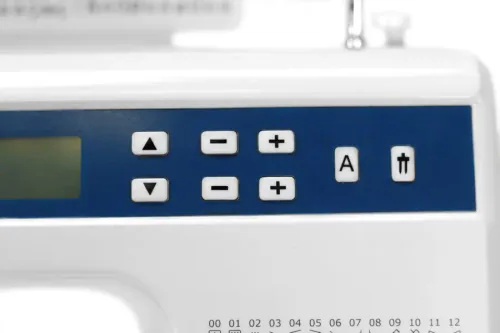
A_Brown reports inconsistent starting and stopping behavior during buttonhole sewing, including unexpected changes of direction. The account describes extensive attempts without a resolution. It does not establish whether setup or a fault caused the problem, but it contradicts an unconditional promise of effortless buttonholes.
What the positive account supports
Just me describes quiet, smooth running and suitability for home and getaways. Sound and sewing feel are one useful operating theme; taking it away is a separate practical preference. The account does not identify project fabrics, travel frequency or service history.
Decode the advertised 200 total
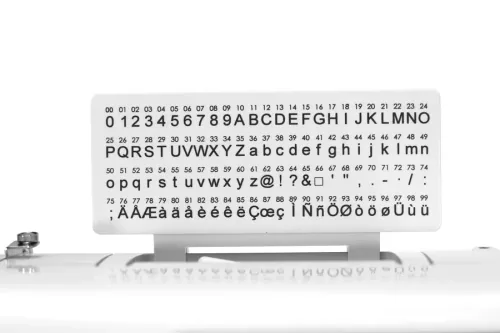
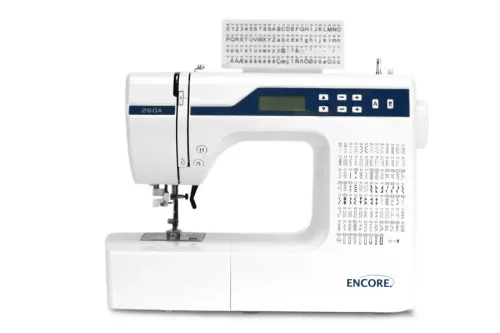
The seller’s exact-model specification separates 100 stitch patterns from 100 letters, numbers and punctuation. This is not evidence of 200 distinct utility stitches or a hoop-embroidery system. Listed stitch dimensions reach 7 mm wide and 4.5 mm long, with eight one-step buttonhole styles.
Other listed features and their evidence limits
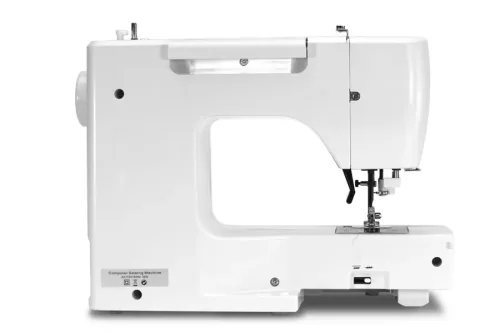
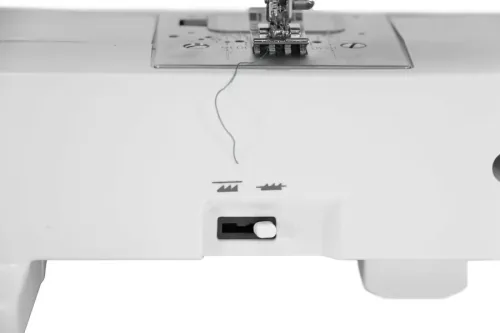
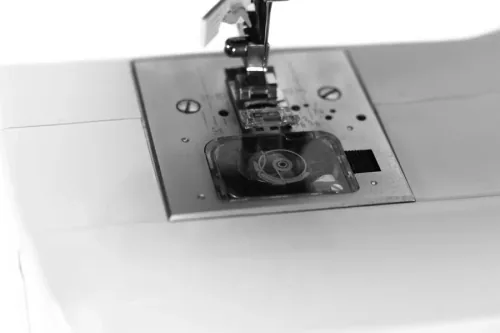
The merchant lists a needle threader, top-loading bobbin, drop feed, reverse button and built-in cutter. A built-in cutter should not be assumed to mean automatic thread trimming. Listed machine weight is 12 lb without an extension table. These are seller specifications; no independent measurement or manufacturer manual was obtained in this audit.
A foot pedal and several task-specific feet are listed. Their presence does not guarantee a particular speed-control feel, perfect zipper insertion or success on every material. Warranty duration is not evidence that the machine will be trouble-free.
Pros & Cons Analysis
Reasons an owner liked it
- Quiet, smooth operation: Just me directly values how the machine runs. That is a personal observation, without measured noise or fabric-specific results.
- Home and getaway use: the same owner identifies both settings. This supports a portable role for that buyer, without proving every complete carrying setup is light.
Distinct limitations reported
- Reverse control: Birgit’s intermittent stuck-reverse report concerns basic seam handling and remains unresolved in the account.
- Cutter usability: her report of dullness and detachment is a separate physical-tool concern, not another report from an independent owner.
- Buttonhole consistency: A_Brown’s unresolved sequencing problem is especially relevant if repeated garment buttonholes are the main reason to buy.
Our Verdict
The quiet-running and getaway-use praise gives the 260A a plausible appeal, but the unresolved control complaints prevent an uncomplicated recommendation. If dependable repeated buttonholes or reverse operation is central to your work, compare demonstrated operation and available support before choosing. A large pattern total does not outweigh those basic sewing requirements.
Product illustrations