Sewing Machine Guide

  • Home
  • Reviews
  • Best
    • All Best Picks
    • Computerized
    • Embroidery
    • Mechanical
    • Quilting
  • Guides
    • All Sewing Guides
    • Computerized
    • Embroidery
    • Mechanical
  • Comparisons
    • All Comparisons
    • Computerized
    • Embroidery
    • Mechanical
    • Straight-Stitch
  • Favorites

Juki TL-2010Q vs Janome 1600P-QC: Straight-Stitch Rivals

Choose the Juki TL-2010Q for its broad owner evidence, low-speed limiter and familiar quilting ecosystem. Choose the Janome 1600P-QC when the 1,600-spm ceiling, stronger documented foot pressure and memorized needle stop better fit a permanent straight-stitch station.

COMPARED PRODUCTS

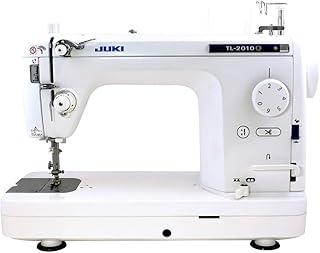
Juki TL-2010Q Review: Beautiful Straight Stitch, Imperfect Bobbin Winder

Better for controlled quilting speed

Juki TL-2010Q Review: Beautiful Straight Stitch, Imperfect Bobbin Winder

Check price at Amazon Jump to details
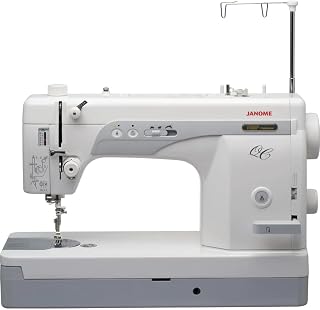
Janome 1600P-QC Review: 1,600-SPM Straight Stitch With a Noise Tradeoff

Better for memorized needle-stop control

Janome 1600P-QC Review: 1,600-SPM Straight Stitch With a Noise Tradeoff

Check price at Amazon Jump to details

Juki TL-2010Q vs Janome 1600P-QC compares two high-speed straight-stitch specialists, not general-purpose sewing machines. The Juki is the more evidence-rich default for a quilter who wants a 200-to-1,500-spm limiter and a widely recognized accessory workflow. The Janome is compelling when its 1,600-spm ceiling, documented foot pressure and memorized needle-stop behavior match a permanent worktable.

Choose JukiAdjustable 200–1,500-spm range and stronger owner-evidence coverage
Choose Janome1,600-spm ceiling, memorized needle stop and strong foot-pressure specification
Choose neitherZigzag, stretch stitches, buttonholes or a free arm

This is a specialist-workflow comparison

Both machines use industrial-style side-loading hook systems, sew straight stitch only, reach a 6-mm maximum stitch length and include automatic thread cutting plus knee-lift support. They suit long seams, piecing, quilting and controlled topstitching on a stable surface. Neither provides zigzag, stretch stitches, buttonholes or a free arm.

The evidence is uneven: the Juki record uses 100 supplied owner texts, while the Janome file contains 18. That difference affects confidence, not automatic product quality. We did not physically test either machine and do not turn owner samples into reliability scores.

Speed control matters more than the 100-spm headline gap

The Janome publishes a slightly higher 1,600-spm maximum. The Juki publishes 1,500 spm but documents a slider spanning roughly 200 to 1,500 spm. For precision starts, curves or unfamiliar assemblies, the ability to cap speed can matter more than the last 100 stitches per minute at the top.

1,500Juki maximum spmPaired with a documented 200-spm lower limiter.
1,600Janome maximum spmThe higher headline ceiling in this pair.
≈9 inJuki workspaceUseful room for quilts and long seams.
8.8 inJanome workspaceNearly the same class of right-side space.

Needle-stop behavior separates two otherwise similar stations

The Juki documents a predetermined needle-down behavior, useful when pivoting or repositioning. The Janome records a memorized needle-stop choice, which gives the operator more control over whether the machine returns up or down. Both provide automatic cutters and knee lifts, reducing hand movement during repetitive work.

Juki advantage

A defined low-speed ceiling

The slider can make precision work calmer without changing the foot pedal.

Janome advantage

Needle position remembers the operator

Memorized stop behavior can better suit mixed seaming and quilting routines.

Shared restriction

One stitch formation only

Both trade versatility for speed, stability and a focused straight-stitch path.

Owner evidence favors different caution labels

Juki owners frequently praise stitch quality, stability and speed. Bobbin-winder complaints and a learning curve around the needle threader recur in the supplied file. Janome owners describe precision and success on denim or layered projects, while individual reports include very loud operation and upper thread becoming trapped around the hook. With only 18 Janome texts, isolated reports must remain isolated.

Neither owner file supports declaring one machine more durable. The better test is whether the delivered unit winds a bobbin correctly, feeds the user’s real assemblies, cuts consistently and starts predictably at the speed needed.

Quilting, tailoring and bag work reward different controls

A quilter tracing curves or approaching intersections may value the Juki’s defined 200-spm lower limit more than the Janome’s additional 100 spm at full speed. A production-oriented straight-seam user may instead value the Janome ceiling and memorized needle position. For tailoring and topstitching, both can provide a focused path, but neither replaces zigzag finishing or buttonholes.

Bag and layered work requires particular restraint. The Janome’s published pressure specification and owner examples do not prove universal performance on webbing, leather or bulky intersections. The same applies to the Juki’s reputation and quilting audience. Compare presser-foot clearance, needle system, thread choice and the thickness of the actual seam, then keep expectations inside documented use.

Decision point Juki TL-2010Q Janome 1600P-QC
Top speed 1,500 spm 1,600 spm
Low-speed limiter Documented 200–1,500 range Slider and responsive pedal; exact lower ceiling not published
Needle stop Predetermined down Memorized up/down
Workspace About 9 inches 8.8 inches
Owner evidence 100 supplied texts 18 supplied texts

Normalize the table, feet and support before comparing price

A specialist machine is a system rather than a bare head. Record whether the exact offer includes an extension table, knee lifter, standard foot, quilting feet, cover and the correct market-voltage equipment. Then price only the compatible items needed for the intended station. A lower bare-machine price can disappear when essential support accessories are added.

Dealer preparation also matters more here than in a casual backup-machine purchase. Ask how hook timing, tension, bobbin cases and electronic controls are handled if the arrival test fails. That does not make one brand automatically safer; it identifies the real path from a stopped project to a working machine. Warranty length should be read with exclusions, labor terms and shipping responsibility rather than treated as one comparable number.

Thread handling can erase a specification advantage

At high speed, a poorly wound bobbin or misrouted upper thread creates more interruption, not more output. The Juki owner evidence makes bobbin winding a specific test, while the Janome reports make hook-area thread capture and unusual sound worth checking. Use the documented threading route, several properly wound bobbins and a known needle before changing tension.

Once the basic path is stable, compare consistent seam starts, corner pivots, cutter tails and stitching at both slow and fast settings. The result can reveal which control logic fits the operator better without claiming a laboratory performance ranking. A machine that feels predictable at the user’s normal speed is more valuable than a higher ceiling that remains unused.

Run the comparison with the same thread class, needle purpose and representative fabric whenever possible. Changing several variables at once can make a bobbin, tension or feeding problem appear to be a brand difference. Record settings and results so a successful setup can be repeated rather than rediscovered.

Finally, decide whether the machine will remain threaded for one recurring task or change between piecing, quilting and topstitching. A permanent single-purpose station rewards automation and speed more heavily. A frequently reconfigured station makes clear threading, accessible tension and local support just as important as the published maximum.

Consumables should be normalized too. Verify needle system, bobbin type, compatible feet and whether spare bobbin cases are readily available from a trusted source. The best straight-stitch station is the one that can be returned to a known setup quickly. A small price advantage disappears if routine parts are difficult to identify or the dealer cannot support the exact market version.

Choose by the station you are building

The Juki is easier to recommend when low-speed control, a broad quilting audience and deeper owner evidence reduce uncertainty. The Janome makes sense for a buyer who values the extra speed ceiling, documented pressure range and memorized needle position and can verify the individual machine carefully. Price should be checked on the same date with tables and accessories normalized.

Choose neither if the station must handle buttonholes, stretch construction, zigzag finishing or free-arm work. A second general-purpose machine is not an optional luxury when those stitches are part of the plan.

Commission the machine before committing the workspace

  1. Wind and install multiple bobbins. Confirm the winder, case seating and hook path before blaming tension.
  2. Test slow starts and full-speed runs. Listen for unusual noise and confirm predictable pedal response.
  3. Sew the intended seam stack. Use the correct needle and thread on representative, not theatrical, materials.
  4. Exercise cutter and needle stop repeatedly. The automation must work consistently to justify the specialist station.
  5. Confirm table and accessory identity. Compare included items, compatible feet, warranty and dealer support before purchase.

See the Juki TL-2010Q review and Janome 1600P-QC review for the full evidence behind each specialist. You can also browse more straight-stitch machines.

Better for controlled quilting speed

Juki TL-2010Q Review: Beautiful Straight Stitch, Imperfect Bobbin Winder

Juki TL-2010Q Review: Beautiful Straight Stitch, Imperfect Bobbin Winder

Get it now:

Check latest price

What to know

  • Pair role: The speed-limited straight-stitch specialist.
  • Control range: About 200 to 1,500 spm is documented.
  • Station tools: Cutter, knee lift and needle-down support repetitive work.
  • Owner checkpoint: Test bobbin winding, threading and low-speed starts.

Best if

  • You want a documented low-speed ceiling
  • Quilting and precision straight stitch dominate
  • You value the deeper 100-text evidence file

Skip if

  • The extra 100-spm Janome maximum matters more
  • You need zigzag, buttonholes or a free arm
  • You prefer memorized up/down needle-stop selection

The safer default when precision starts matter

The TL-2010Q leads this comparison through its operating range rather than its maximum number. A documented slider from about 200 to 1,500 stitches per minute lets the user cap speed for curves, starts and unfamiliar assemblies, then open the ceiling for long seams. About nine inches of workspace, automatic cutting, knee lift and predetermined needle-down support a focused quilting or straight-stitch station.

The supplied 100-owner file repeatedly praises stitch quality, stability and speed. Bobbin-winder complaints and a learning curve around the needle threader are the clearest recurring cautions. Those patterns warrant direct commissioning tests but do not produce a failure rate.

Choose the Juki when low-speed control and a deeper evidence base reduce uncertainty. The Janome remains credible when memorized needle position, its 1,600-spm ceiling and pressure specification matter more. Neither is appropriate if zigzag, stretch stitches or buttonholes must come from the same machine.

Machine classSemi-professional straight-stitch quilting machine
Maximum sewing speed1,500 stitches per minute
Speed controlSlider adjustable from 200 to 1,500 spm
Maximum stitch length6 mm
Needle stop up/downPredetermined needle-down stop
Thread cutterAutomatic button and heel switch
Bobbin / looper systemSide-loading industrial-style hook
Presser-foot pressureAdjustable
Workspace right of needleApproximately 9 inches
WarrantyJuki limited warranty; confirm current registration and seller eligibility
Better for memorized needle-stop control

Janome 1600P-QC Review: 1,600-SPM Straight Stitch With a Noise Tradeoff

Janome 1600P-QC Review: 1,600-SPM Straight Stitch With a Noise Tradeoff

Get it now:

Check latest price

What to know

  • Pair role: The faster specialist with remembered needle position.
  • Pressure specification: Up to 11 lb is documented without implying industrial universality.
  • Workspace: 8.8 inches keeps it in the large domestic specialist class.
  • Evidence limit: Eighteen supplied texts require cautious interpretation.

Best if

  • Memorized needle up/down fits your routine
  • You value the 1,600-spm ceiling and pressure control
  • You can commission noise, hook and cutter behavior promptly

Skip if

  • A defined low-speed limit is essential
  • You need a broad owner-evidence base
  • One machine must also zigzag or make buttonholes

A fast station with a smaller evidence base

The 1600P-QC offers a tightly focused straight-stitch workflow with a 1,600-stitch-per-minute ceiling, an 8.8-inch workspace, automatic cutter, knee lift and memorized needle-stop choice. Its documented presser-foot pressure reaches 11 pounds, a useful specification for an operator who wants a stable permanent station and understands that pressure alone does not prove material capability.

The evidence base is narrower than the Juki’s. Eighteen supplied owner texts include reports of accurate work on layered projects and denim, plus individual accounts of very loud operation and upper thread trapping around the hook. Those isolated problems are checkpoints, not recurring rates or a verdict on the model family.

Choose the Janome when the remembered needle position and 1,600-spm ceiling fit your routine and you can inspect the exact unit carefully. Choose the Juki when a documented lower speed cap and broader owner coverage are more valuable. Keep a general-purpose machine for every non-straight-stitch job.

Machine classHigh-speed straight-stitch sewing and quilting machine
Maximum sewing speed1,600 stitches per minute
Speed controlSlider and responsive foot control
Maximum stitch length6 mm
Needle stop up/downMemorized
Thread cutterAutomatic; remote switch compatible
Bobbin / looper systemSide-loading full rotary industrial hook
Presser-foot pressureAdjustable up to 11 lb
Workspace right of needle8.8 inches
WarrantyJanome limited warranty; coverage varies by component and seller—confirm current US terms

Product Comparison

Feature Juki TL-2010Q Review: Beautiful Straight Stitch, Imperfect Bobbin Winder Janome 1600P-QC Review: 1,600-SPM Straight Stitch With a Noise Tradeoff
Product Image
Juki TL-2010Q Review: Beautiful Straight Stitch, Imperfect Bobbin Winder
Janome 1600P-QC Review: 1,600-SPM Straight Stitch With a Noise Tradeoff
Rating
4.4 / 5
4.1 / 5
Category Quilting Sewing Machines, Straight-Stitch Sewing Machines Straight-Stitch Sewing Machines
Stitch Quality & Control
4.7 / 5.0
4.3 / 5.0
Ease of Setup & Use
4.0 / 5.0
3.8 / 5.0
Fabric & Project Fit
4.7 / 5.0
4.6 / 5.0
Build, Accessories & Value
4.2 / 5.0
3.8 / 5.0
Brand Juki Janome
Exact model TL-2010Q 1600P-QC
ASIN B00AAZU1KE B006K5TGY0
Machine class Semi-professional straight-stitch quilting machine High-speed straight-stitch sewing and quilting machine
Control type Mechanical controls and foot pedal Mechanical controls and foot pedal
Primary functions Straight stitching, quilting, tailoring and home décor Straight stitching, quilting, tailoring and home décor
Built-in stitches / applications Straight stitch only Straight stitch only
Maximum sewing speed 1,500 stitches per minute 1,600 stitches per minute
Speed control Slider adjustable from 200 to 1,500 spm Slider and responsive foot control
Maximum stitch length 6 mm 6 mm
Maximum stitch width Straight stitch only Straight stitch only
Needle stop up/down Predetermined needle-down stop Memorized
Needle threader Built in Built in
Thread cutter Automatic button and heel switch Automatic; remote switch compatible
Bobbin / looper system Side-loading industrial-style hook Side-loading full rotary industrial hook
Presser-foot pressure Adjustable Adjustable up to 11 lb
Presser-foot lift Knee lever supported Extra high plus knee lift
Free arm No No
Workspace right of needle Approximately 9 inches 8.8 inches
Weight About 25.4 lb 31 lb
Power / market voltage Verify the delivered market version Verify the delivered market version
Warranty Juki limited warranty; confirm current registration and seller eligibility Janome limited warranty; coverage varies by component and seller—confirm current US terms
Buttonholes / eyelets None None
Quilting workspace / table Extension table included 8.8 × 5.5-inch workspace
Buy Now View Deal View Deal

TL-2010Q or 1600P-QC: Build Around the Control Difference

Choose Juki for controlled speed and deeper evidence

The documented 200–1,500-spm range, about nine inches of workspace and strong owner coverage make it the more predictable quilting-station choice.

Test the bobbin winder and threader immediately.

Choose Janome for memorized needle position

The 1,600-spm ceiling, strong published foot pressure and remembered needle stop create a compelling repetitive straight-stitch workflow.

The smaller owner sample requires more cautious acceptance testing.

Choose neither for general-purpose sewing

These specialists do not zigzag, sew stretch patterns, make buttonholes or provide free-arm access.

Budget for a second machine when those jobs are part of the household plan.

Frequently Asked Questions

What is the biggest difference between the Juki TL-2010Q and Janome 1600P-QC?

The Juki documents a 200-to-1,500-spm limiter and predetermined needle-down behavior. The Janome reaches 1,600 spm and documents memorized needle-stop selection plus strong presser-foot pressure.

Which machine is better for quilting?

The Juki is the easier default when a low-speed ceiling and deeper owner evidence matter. The Janome can be better when memorized needle position and its pressure specification fit the quilter’s station.

Can either machine sew zigzag or buttonholes?

No. Both are straight-stitch specialists. They do not replace a general-purpose sewing machine for zigzag, stretch stitches, buttonholes or free-arm work.

Is 1,600 spm meaningfully faster than 1,500 spm?

The difference is about 6.7 percent at the published ceiling. For many precision tasks, low-speed control, feed setup and stopping behavior matter more than that maximum-speed gap.

Which model has more owner-review evidence?

The supplied exact-product files contain 100 Juki texts and 18 Janome texts. That changes evidence confidence but does not prove that the Juki is more reliable.

Do both machines have automatic thread cutters?

Yes, both normalized product records document automatic thread cutting. Test the cutter repeatedly during the return period because the feature is part of the specialist workflow.

×

About Sewing Machine Guide

Independent sewing machine reviews and practical buying guidance.

Your trusted source for honest, in-depth product reviews and comparisons.

Quick Links

  • Home
  • Reviews
  • Best Articles
  • Comparisons
  • Guides
  • About
  • Contact
  • Privacy Policy

Categories

  • Computerized Sewing Machines
  • Embroidery Machines
  • Handheld Sewing Machines
  • Industrial
  • Mechanical Sewing Machines
  • Mini Sewing Machines

© 2026 Sewing Machine Guide. All Rights Reserved.

As an Amazon Associate I earn from qualifying purchases. We may also earn from other retailer links. Affiliate disclosure