Sewing Machine Guide

  • Home
  • Reviews
  • Best
    • All Best Picks
    • Computerized
    • Embroidery
    • Mechanical
    • Quilting
  • Guides
    • All Sewing Guides
    • Computerized
    • Embroidery
    • Mechanical
  • Comparisons
    • All Comparisons
    • Computerized
    • Embroidery
    • Mechanical
    • Straight-Stitch
  • Favorites

Brother PQ1600S vs Juki TL-2010Q: Pin Feed or a Speed Limiter?

Compare the PQ1600S and TL-2010Q by fabric feeding, slow-work control, cutting and owner-reported setup problems.

COMPARED PRODUCTS

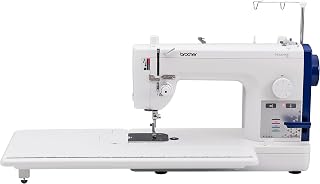
Brother PQ1600S Review: Fast Straight Stitching With Boundaries

Pin-feed option

Brother PQ1600S Review: Fast Straight Stitching With Boundaries

Check on:AmazonSewingMachinesPlus Jump to details
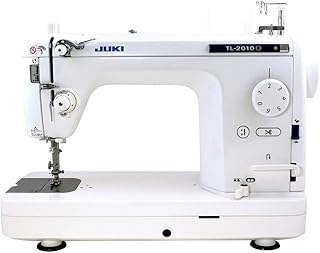
Juki TL-2010Q Review: Straight-Stitch Control and Setup Tradeoffs

Speed-limit option

Juki TL-2010Q Review: Straight-Stitch Control and Setup Tradeoffs

Check on:AmazonSewingMachinesPlus Jump to details

The Brother PQ1600S offers selectable pin feed; the Juki TL-2010Q offers a separate maximum-speed limiter. Those features solve different problems. Both machines sew straight stitch only and publish a 1,500-stitches-per-minute maximum, so the headline speed does not settle the choice.

Does the fabric move badly, or does the pace get ahead of you?

Your difficulty What to demonstrate What it cannot prove
Layers shift during a feed-guided seam Brother’s designated pin-feed mode with the permitted foot Success here does not establish capacity at every thick join
You want a lower maximum before pressing the pedal Juki’s speed slider, followed by pedal control A ceiling does not regulate free-motion stitch length
Both problems occur Test each machine on the same assembly at a comfortable pace One named feature cannot stand in for the complete seam result

Brother’s feed instructions restrict the feet used in pin-feed mode. Do not assume that a walking-foot attachment and pin feed are interchangeable or should be combined. The Juki manual describes its separate speed and cutter controls.

Automatic cutting feels different under your foot

Both have automatic cutting, but the Juki also gives the pedal heel a cutting function. Some owners appreciate the hands-free routine; others trigger it accidentally. Try where your heel rests while slowing down and repositioning the work. This is a practical difference even if both specification sheets say “automatic thread cutter.”

A useful trial includes the interruptions

Change the bobbin, rethread and restart a seam. Brother feedback includes awkward access and thread-path learning, a persistent tension complaint and another difficult start that improved after service. Juki feedback includes needle-threader difficulty, limited lighting and both resolved and unresolved tension problems. These are reasons to inspect the setup, not a basis for claiming a reliability winner.

The sewing examples also set limits. Brother owners describe quilt tops, denim repairs and bags, but one difficult PU/cordura intersection led to a return. Juki owners connect the speed limiter with manageable free-motion quilting; that does not establish superior heavy-seam capacity. Bring the actual crossing that matters to your project.

If neither feature addresses your problem

For zigzag or buttonholes, neither machine fits. For a different dedicated straight-stitch option, the three-model shortlist also considers the Janome 1600P-QC. Do not buy either model solely because a high maximum speed sounds powerful.

Pin-feed option

Brother PQ1600S Review: Fast Straight Stitching With Boundaries

Brother PQ1600S Review: Fast Straight Stitching With Boundaries
Check on:AmazonSewingMachinesPlus

What to know

  • Pin-feed mode is separate from the other feed-height positions and has specific foot requirements.
  • The pedal controls pace; there is no separate maximum-speed slider.
  • Automatic cutting and needle positioning support repeated straight seams.

Best if

  • You alternate piecing with bag or clothing work: owners describe completed quilt tops, denim repairs and small accessories on the straight-stitch platform.
  • You want a substantial table setup: owners value the stable feel and working surface for guiding their projects.
  • You frequently reposition seams: customer reports appreciate the cutter and the controls, once the threading routine is familiar.

Skip if

  • You need an easy bobbin and threading routine from the first session: owners describe awkward access and thread-path mistakes that required attention.
  • Your work includes very thick bag joins: one owner returned it after trouble at a PU/cordura intersection, despite other owners completing layered projects.
  • You cannot accommodate troubleshooting or service: the supplied feedback includes persistent tension problems and a case that improved only after a shop visit.

Pick the Brother side of this comparison when its selectable feed system solves a demonstrated material-handling problem. Owner examples include quilt tops, denim and bags, but the difficult PU/cordura join in one return report is a useful boundary. Pin feed is not proof of industrial capacity.

Unlike the Juki, it has no separate speed-limit slider. A customer who found the pedal comfortable does not establish that you will. Try slow starts, the exact compatible foot and a complete bobbin change; thread-path and tension complaints make those more useful tests than a maximum-speed demonstration.

Stitch systemStraight lockstitch only
Maximum speed1,500 stitches/min
Speed ceiling controlFoot pedal; no separate maximum-speed slider
Feed arrangementFour feed-height positions including pin feed
Presser-foot pressureAdjustable
Needle position controlNeedle-position button
Thread cutterAutomatic button
Knee liftIncluded
Free armNo; flatbed
Speed-limit option

Juki TL-2010Q Review: Straight-Stitch Control and Setup Tradeoffs

Juki TL-2010Q Review: Straight-Stitch Control and Setup Tradeoffs
Check on:AmazonSewingMachinesPlus

What to know

  • The slider sets a speed ceiling; it does not regulate free-motion stitch length.
  • Drop feed supports the documented free-motion setup.
  • The cutter can be operated at the machine or by the pedal heel action.

Best if

  • You want to cap speed while learning free-motion quilting: owners specifically describe the slider making that work more manageable.
  • You piece quilts or make bags repeatedly: supplied accounts describe completed projects and useful table support.
  • You often need both hands to position work: experienced owners value the knee lift, needle control and automatic cutting in that routine.

Skip if

  • You need effortless needle threading or bright built-in illumination: owners report difficulty with the threader and insufficient light for their working conditions.
  • You rest your heel on the pedal: customers describe accidentally triggering the thread cutter.
  • You want maintenance-free setup: some owners resolved tension problems, while others reported persistent faults or service needs.
  • You plan to carry it frequently: owners describe the machine as substantial and awkward for travel.

The Juki answers a different need: reducing the maximum pace before a careful seam or free-motion session. Owners explicitly connect that slider with more manageable quilting. If speed is what makes you hesitate, this is a more direct feature match than the Brother’s pin-feed mode.

The advantage has practical qualifications. Owners describe accidental heel cuts, weak lighting and a needle-threader learning curve. Walking-foot reports include both useful performance and clatter or marks, so try the supplied setup on your fabric. Neither the larger customer sample nor its speed slider proves better reliability.

Stitch systemStraight lockstitch only
Maximum speed1,500 stitches/min
Speed ceiling controlSlider, approximately 200–1,500 stitches/min
Feed arrangementFeed dogs with drop-feed control
Presser-foot pressureAdjustable
Needle position controlStops needle down; up/down button
Thread cutterAutomatic button and pedal heel control
Knee liftIncluded
Free armNo; flatbed

Product Comparison

Feature Brother PQ1600S Review: Fast Straight Stitching With Boundaries Juki TL-2010Q Review: Straight-Stitch Control and Setup Tradeoffs
Product Image
Brother PQ1600S Review: Fast Straight Stitching With Boundaries
Juki TL-2010Q Review: Straight-Stitch Control and Setup Tradeoffs
Rating
4.0 / 5
4.4 / 5
Category Quilting Sewing Machines, Straight-Stitch Sewing Machines Quilting Sewing Machines, Straight-Stitch Sewing Machines
Stitch Quality & Control
4.2 / 5.0
4.7 / 5.0
Ease of Setup & Use
3.6 / 5.0
4.0 / 5.0
Fabric & Project Fit
4.4 / 5.0
4.7 / 5.0
Build, Accessories & Value
3.6 / 5.0
4.2 / 5.0
Brand Brother Juki
Exact model PQ1600S TL-2010Q
ASIN B0CFYQZX5Q B00AAZU1KE
Machine class High-speed straight-stitch sewing and quilting machine Semi-professional straight-stitch quilting machine
Control type Foot pedal plus dedicated function buttons and mechanical adjustments Mechanical controls and foot pedal
Primary functions Straight-seam sewing, quilting and bag making Straight stitching, quilting, tailoring and home décor
Built-in stitches / applications 1 straight stitch Straight stitch only
Maximum sewing speed 1,500 stitches per minute 1,500 stitches per minute
Speed control Foot controller Slider adjustable from 200 to 1,500 spm
Maximum stitch length 7 mm 6 mm
Needle stop up/down Programmable stop position Predetermined needle-down stop
Needle threader Built-in assisted threader Built in
Thread cutter Yes Automatic button and heel switch
Bobbin / looper system Side-loading bobbin; independent winding motor Side-loading industrial-style hook
Presser-foot pressure Adjustable Adjustable
Workspace right of needle 8.7 inches wide × 5.7 inches high Approximately 9 inches
Weight 23.81 lb About 25.4 lb
Warranty Brother 1/2/25-year limited warranty Juki limited warranty; confirm current registration and seller eligibility
Buy Now Check on:AmazonSewingMachinesPlus Check on:AmazonSewingMachinesPlus

Which control will change your sewing?

Brother: resolve a feeding problem

Choose the PQ1600S if its pin-feed trial improves your material handling and its pedal suits your pace. Repeat a bobbin change and test the difficult seam crossing before deciding.

Check on:AmazonSewingMachinesPlus

Juki: set a ceiling on pace

Choose the TL-2010Q if limiting maximum speed is the control you will use. Check the heel-cutting action, threader and working light during the same trial.

Check on:AmazonSewingMachinesPlus

No demonstrated benefit from either control? Keep looking. Both require a workable setup and service route, and the owner accounts do not establish that one is more reliable.

Frequently Asked Questions

Does the Brother PQ1600S have a speed slider?

No separate maximum-speed slider is documented. The foot pedal controls speed. The Juki TL-2010Q has a separate ceiling adjustment.

Is pin feed the same as a walking foot?

No. Pin feed uses a synchronized pin below the fabric; a walking-foot attachment provides upper feeding action. Follow the exact machine and foot instructions.

Can either sew zigzag?

No. Both are dedicated straight-lockstitch machines.

Which is more reliable?

The supplied customer accounts do not establish a comparative failure rate. Both contain successful projects and fault or setup reports.

×

About Sewing Machine Guide

Independent sewing machine reviews and practical buying guidance.

Your trusted source for honest, in-depth product reviews and comparisons.

Quick Links

  • Home
  • Reviews
  • Best Articles
  • Comparisons
  • Guides
  • About
  • Contact
  • Privacy Policy

Categories

  • Computerized Sewing Machines
  • Coverstitch Machines
  • Embroidery Machines
  • Handheld Sewing Machines
  • Industrial
  • Mechanical Sewing Machines

© 2026 Sewing Machine Guide. All Rights Reserved.

As an Amazon Associate I earn from qualifying purchases. We may also earn from other retailer links. Affiliate disclosure