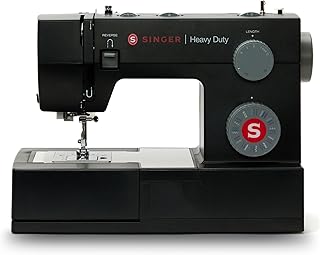
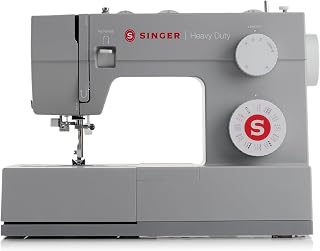
The Singer 4432 and 4452 are a closer choice than their model numbers suggest. Both offer 32 built-in stitches. The practical reason to choose the 4452 is its additional fabric-handling accessories—not an assumption that the higher number means a stronger machine.
This comparison links the 4432 Black Special Edition and the gray 4452. Seller-added bundles can change the accessory difference, so match the exact offer before ordering.
What the extra package actually changes
Singer lists a walking foot, non-stick foot, clearance plate and additional heavy needles with the 4452. The standard 4432 Black includes the general-purpose, zipper, buttonhole and button-sewing feet. Neither package makes every fabric combination suitable.
| Decision | 4432 Black | 4452 |
|---|---|---|
| Built-in stitch choice | 32 patterns | 32 patterns; not an expanded stitch menu over the 4432 |
| Standard feet | Core garment and buttonhole feet | Core feet plus the specified heavy-duty accessory package |
| Layer management | Buy any needed compatible specialty feet separately unless the seller includes them | Walking foot and clearance plate supplied in the documented package |
| Purchase calculation | Machine offer plus only the extras you need | Complete offer, excluding accessories you would never use |
Start with the project, not the accessory count
Garments and ordinary repairs
A supplied 4432 Black owner describes completing a ball gown using satin, crinoline and sheer fabric. Their useful features were adjustable settings and straightforward utility-stitch selection. That is a reason to consider the 4432 for varied garment work without assuming the larger accessory package is essential.
Layers that shift or surfaces that drag
The 4452 package becomes relevant when its specialist feet address the work in front of you. An owner reports successful webbing and outdoor-fabric work after changing a bent stock needle. That experience supports considering the machine for similar occasional projects, not promising the same layer capacity to every buyer.
A contrasting 4452 owner found that fleece and faux-fur layers could be stitched but were difficult to position under the foot, especially with the walking foot fitted. The important distinction is between piercing fabric and having enough usable room to feed the complete seam. Extra feet do not remove that constraint.
Neither customer pool settles the slow-speed question for everyone
The supplied 4452 feedback includes both a complaint about abrupt starts and an owner who found light pedal pressure gave a controllable pace. A quilting owner also preferred its pedal to their previous machine. These conflicting accounts do not support calling either model universally easier to control.
Allow for learning the machine you receive
The garment-maker using the 4432 Black liked the sewing results but found the needle threader awkward and wanted a printed manual. In the 4452 accounts, a buyer who initially struggled with feeding later reported successful continued use; another revised an enthusiastic first impression after control and jamming problems. Keep those later outcomes in view instead of judging either machine from an unboxing reaction.
If a machine forms loose nests rather than balanced stitches, the thread-bunching guide explains the documented checks to make before assuming that buying the other model will solve the problem. A persistent fault should not be explained away as inexperience.
If neither package answers your main requirement, return to the Singer Heavy Duty shortlist. Its table-equipped and computerized alternatives address different needs; changing the model number alone does not establish greater thick-seam capacity.