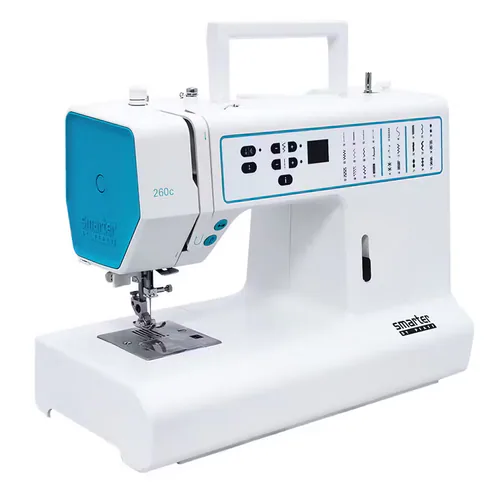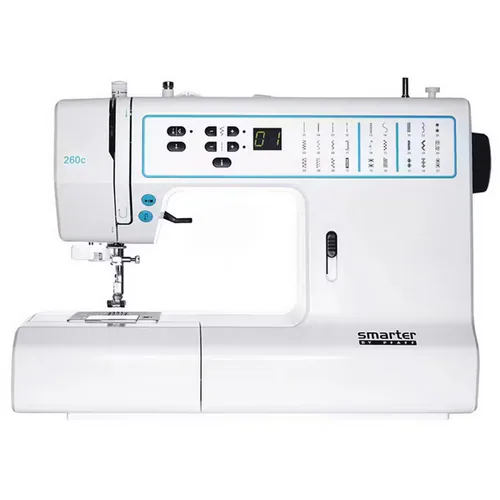
The Smarter 260c deserves consideration as a smaller sewing setup, particularly when carrying a larger machine is inconvenient. The inspected owner accounts support that use, but also show why familiar branding and electronic controls should not be mistaken for the feel or reliability of a different Pfaff model.
A smaller companion to a larger machine
On the exact merchant review page, Cecilia Choukalas explains that she wanted something easier to transport than her Performance 5.0. She appreciates the lighter machine and its sewing results. That is useful evidence for a second-machine role, rather than a claim that the 260c replaces every capability of the larger model.
Angel McGlasson and Darla Jean Robison describe enjoying the machine. Teresa R also reports smooth, reliable operation, but gives no ownership duration. Louisa describes buying it for her granddaughter in design school and reports satisfaction with garment sewing; this is a purchaser relaying the recipient’s experience, not a separate hands-on test.
Electronic stitch selection still leaves manual setup
What the buttons help with
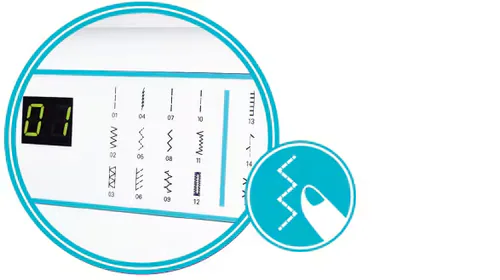
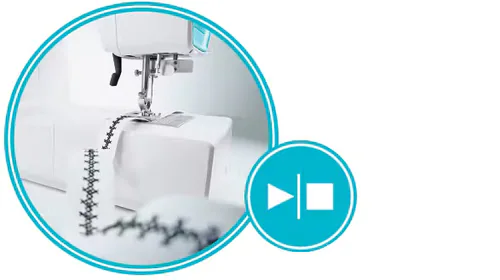
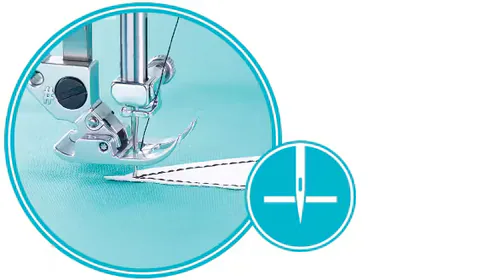
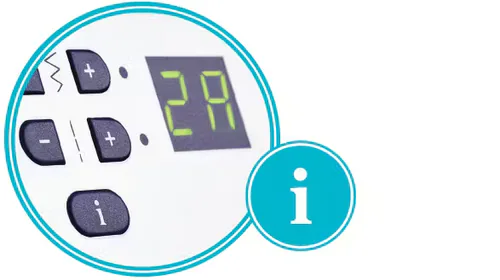
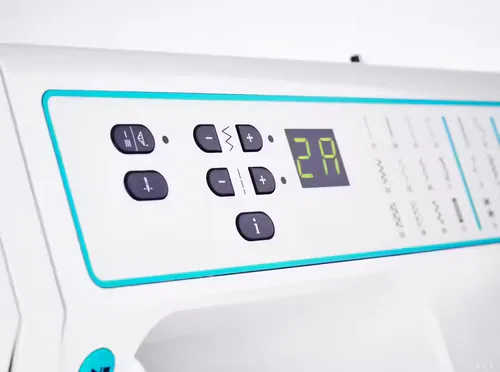
Direct stitch selection, needle up/down and Start/Stop provide control over selecting a stitch and stopping at a corner. Preset length and width are starting settings, not proof that every fabric will sew correctly without adjustment.
What is still manual
The manufacturer specifies manual thread tension and a manual cutter. Automatic tie-off secures stitching; it does not cut the threads automatically.
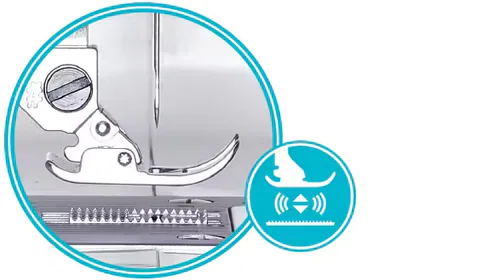
The presser-foot-up interlock prevents sewing with the foot raised. It does not prevent all needle injuries, as the old article implied. Follow the operating instructions when threading or working near the needle.
Pros & Cons Analysis
Portability with useful sewing controls
Cecilia’s account connects easier transport with satisfactory sewing and familiar useful features. This is more informative than generic praise: it describes why a second machine was wanted. The documented needle-position control and direct selection also clarify which conveniences can accompany that smaller setup.
Tension adjustment can affect the experience
Janet Friberg reports that tension was difficult to adjust and says she plans to keep the machine as a backup. Her disappointment with its plastic feel is a subjective construction impression, not proof that every internal component is plastic. Her account is a reason to assess the controls and feel rather than expect a duplicate of an older Pfaff.
A slowdown report remains unresolved
Jean Bowerman reports that the machine slowed substantially after about five hours. The available text gives no diagnosis or later outcome. Retain that concern alongside the positive accounts, without treating it as a known fault affecting every unit or suggesting that readers reproduce it.
The complete nine-entry merchant set also includes Eileen Paquin’s brief praise and Locher Locher’s unfavorable comparison with other Pfaff machines. Neither identifies a specific task or failure. These general impressions do not outweigh the more concrete portability, tension-adjustment and slowdown accounts.
Stitches and supplied feet
The model has 27 stitches and a one-step buttonhole. The five listed feet cover standard sewing, fancy stitches, blind hemming, zippers and buttonholes. Match optional feet to the 260c’s compatibility listing rather than assuming every Pfaff foot fits. A hard cover is included; an accessory felt pad should not be described as a protective mat for the whole work surface.
Our Verdict
Shortlist the 260c when easier transport and straightforward electronic stitch controls are the main goals. Balance the positive second-machine account against the reported tension difficulty and unexplained slowdown. If replacing an older Pfaff, assess this model on its own controls and feel rather than the brand name alone.
Product illustrations