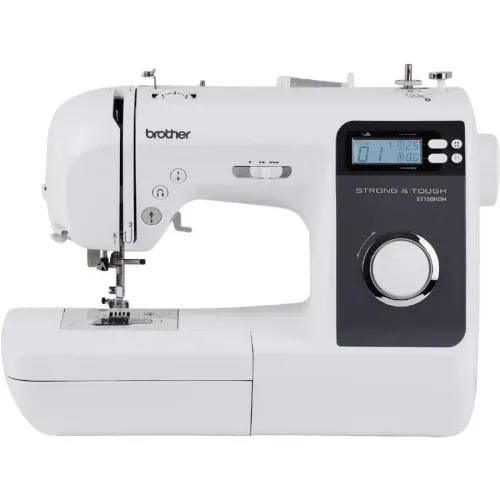
The ST150HDH combines an electronic stitch interface with a feed system marketed for more demanding domestic work. That is a reason to investigate the handling—not proof of a fixed denim or canvas capacity.
Assess feeding as well as penetration
Brother’s ST150HDH specifications list 50 stitches, five one-step buttonhole styles, longer seven-point feed dogs and nine feet, including walking and quarter-inch piecing feet. Those features address different parts of sewing; none alone demonstrates the finished seam.
- For a bag or repair, evaluate the folded intersection that must pass under the foot, not just flat layers of the same fabric.
- Compare the included walking foot with the handling needs of the project. It is an accessory, not a universal cure for uneven feeding.
- For garment work, judge stitch selection and buttonholes separately from the machine’s heavy-duty branding.
Pros & Cons Analysis
Benefits and limits of the documented features.
Advantages
- The electronic display makes selected patterns visible, while the included feet provide specific options for piecing and layered work. These are practical functions to compare in a demonstration.
Limitations
- There is no verified numeric layer limit in this assessment. Fabric thickness and folded intersections matter more than the layer count alone.
- A manufacturer’s feed-system description cannot establish quiet operation, fault frequency or industrial-duty capability.
Our Verdict
A candidate for varied domestic work with electronic selection
Consider the ST150HDH if its controls and accessory choices fit your work and the actual seam can be demonstrated satisfactorily. If you prefer a mechanical layout, compare the ST371HD rather than choosing between them by branding alone.